EN
EN


Disunie Double Essence Serum Series: Unlocking the journey of luxurious skin transformation
2025/04/17
2026/08/25
Choosing body lotion for wholesale is not just about finding one popular product. Distributors and wholesalers need a product mix that covers different consumer needs without adding too many similar SKUs.
A practical selection should answer four questions:
A body lotion range should first cover clear consumer needs.
A basic moisturizing lotion can serve as the core of the range. It has a simple purpose, broad consumer appeal and is suitable for regular use.
For many distributors, this is a logical starting SKU before adding more targeted products.
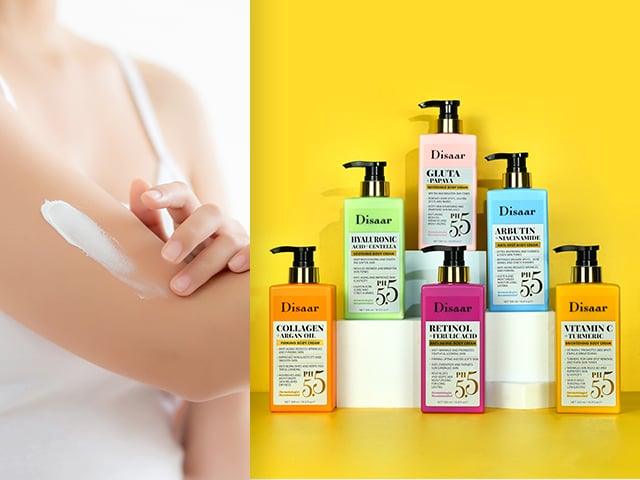
Functional lotions give consumers another reason to choose within the range.
Common directions include:
The goal is not to stock every available function. Each product should serve a different need.
Some body lotion products differentiate through fragrance, texture, color or visual presentation rather than a highly specific skin-care function.
These products can help create variety, especially for beauty stores, e-commerce and promotional ranges.
For example, a standard moisturizing lotion and a triple-color scented lotion can serve very different roles even though both belong to the same Body Lotion category.
Instead of choosing SKUs one by one, divide them into three groups.
Core products cover the widest demand.
A daily moisturizing lotion is the clearest example. It should be easy to understand and suitable for regular use.
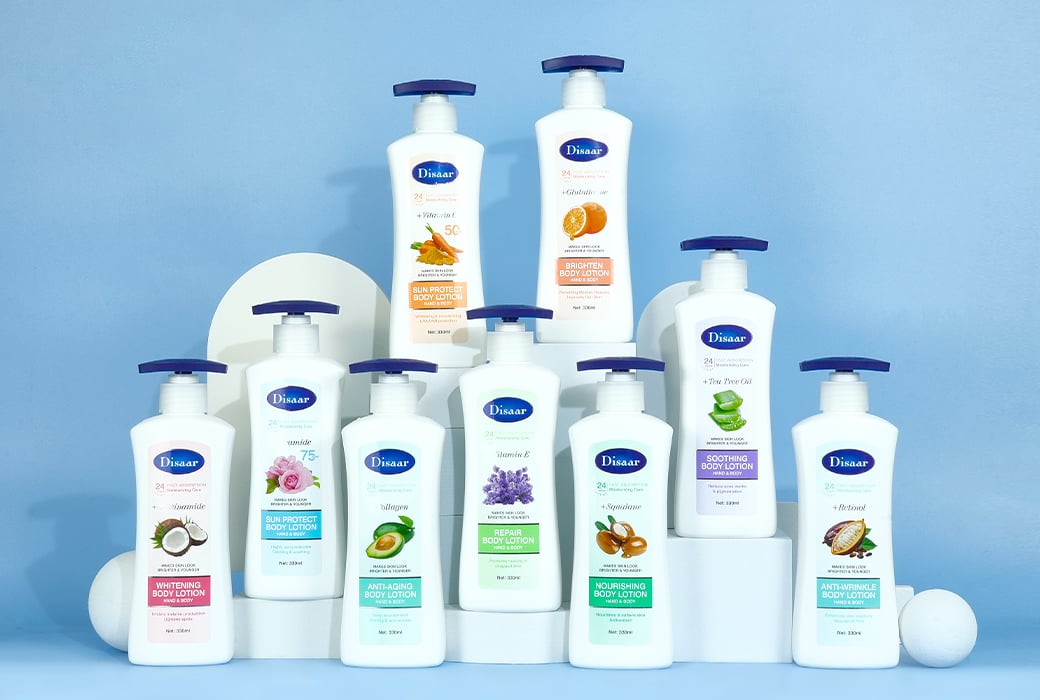
Functional products cover more specific needs.
Examples include:
These products add depth to the range without replacing the basic moisturizing SKU.
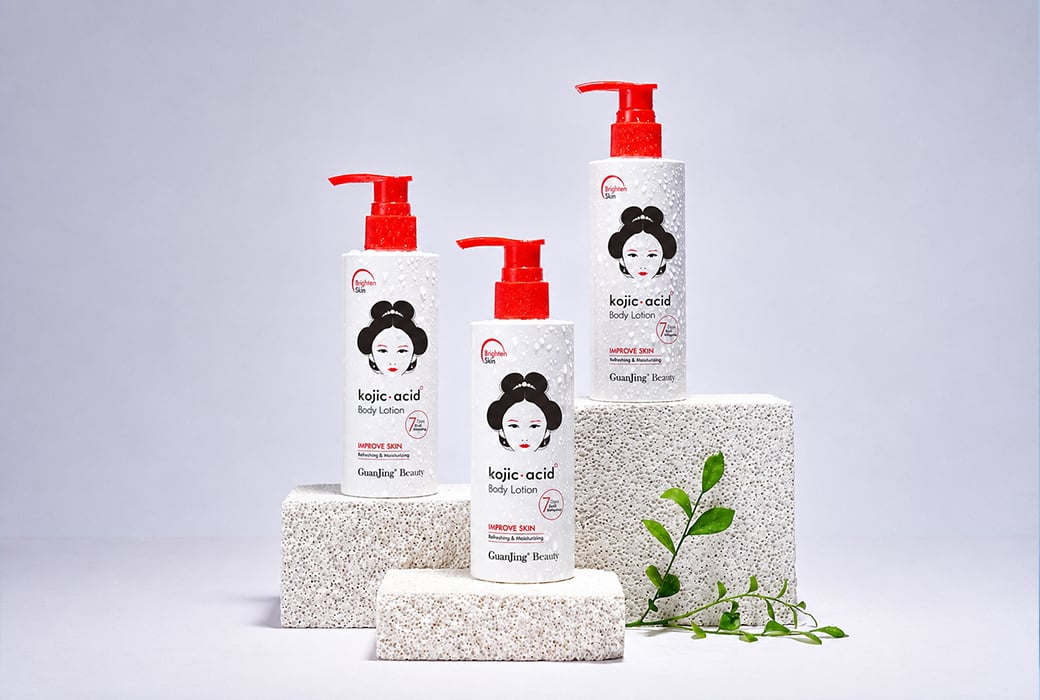
Differentiated products help the range stand out.
This difference may come from:
A visually distinctive lotion or fragrance-led product can add variety without competing directly with the core moisturizer.
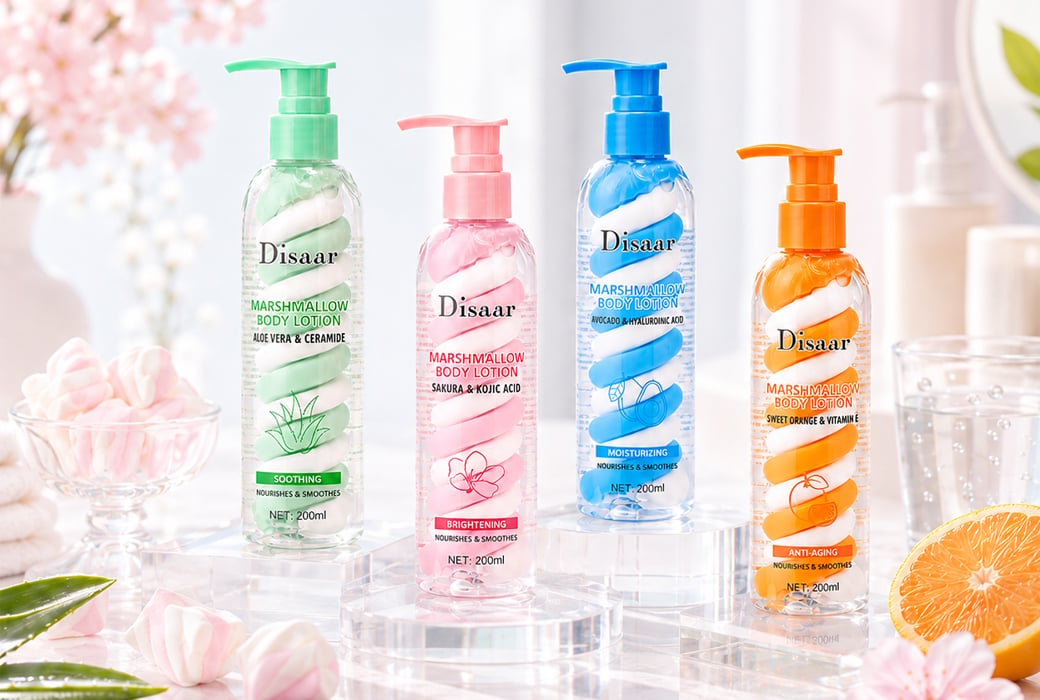
Body lotion products can also be separated by texture.
A lighter lotion can work as an everyday option, while a richer lotion or body cream can cover consumers who prefer more nourishing body care.
A wholesale range does not need every texture. The purpose is to create useful choices.
A simple structure may include:
This gives buyers more variety without creating unnecessary overlap.
There is no fixed number that works for every distributor.
A smaller buyer testing the category may start with a focused range. A distributor with more retail customers may need more functions, sizes and price points.
A simple starting structure could be:
| SKU Role | Example |
|---|---|
| Core | Daily Moisturizing Lotion |
| Functional | Brightening or Nourishing Lotion |
| Differentiated | Fragrance or Visual-Concept Lotion |
This three-part structure covers a basic daily need, a more specific function and one product that adds variety.
Once there is enough sales feedback, the range can expand with:
The important point is that every new SKU should have a clear role.
3-SKU Starter Mix:
Core → Functional → Differentiated
Expanded Mix:
Core → Functional 1 → Functional 2 → Rich Care → Differentiated
Size and packaging can also help separate products within the range.
For example:
Pump bottles are practical for frequent-use lotions and larger formats. Standard bottles can suit everyday mass-market products, while tubes may work for smaller or more focused products.
For wholesale selection, packaging should support the product role. Adding many different bottle styles without a clear reason can make the range harder to manage.
A balanced range may look like this:
| Product Role | Product Direction | Purpose |
|---|---|---|
| Core | Daily Moisturizing Lotion | Broad daily demand |
| Functional 1 | Brightening Lotion | Targeted body care |
| Functional 2 | Nourishing / Repair Lotion | Dry or rough skin needs |
| Differentiated | Fragrance / Visual Lotion | Product variety |
| Extension | Rich Lotion / Body Cream | Different texture and price point |
This is a framework rather than a fixed formula.
The final mix should reflect the buyers you serve, your sales channels and local demand. If you are unsure where to start, contact us and share your country or region. We can recommend suitable Body Lotion options based on your market, sales channel and product positioning.