EN
EN


 Key Takeaways for First-Time Buyers
 Disunie Double Essence Serum Series: Unlocking the journey of luxurious skin transformation
2025/04/17
2026/03/24
For brands entering the hair color category, hair color shampoo is often the most accessible starting point.
Unlike traditional hair dye, hair color shampoo is typically easier for distributors and retailers to position and sell.
A common mistake is treating hair color shampoo as a simple product simply because the format appears straightforward. In reality, it still requires clear decisions on shade range, coverage level, formula story, packaging, and supply model.
This guide is for first-time brand buyers who want to understand:
If you're looking for the broader category overview, our guide to hair color shampoo for brands explains how product types, buyer priorities, and supply options connect.
Hair color shampoo is gentler than traditional hair dye and often more readily accepted by consumers. That makes it an attractive option for brands looking to enter the hair color space.
For many first-time brand buyers, the appeal comes from three factors.
First, the product story is easy to understand. Customers quickly understand concepts like dark shade coverage, gray hair blending, or easier at-home coloring.
Second, the format is easier to demonstrate. Retailers, distributors, and sales teams typically find shampoo-based color products easier to explain and showcase.
Third, the product works across multiple business models. Depending on your stage, it can be launched as a ready stock item, a private label product, or a fully customized OEM project.
That is why hair color shampoo is often a strong entry point for brands building new product lines.
In consumer content, "beginners" usually refers to first-time users applying color at home. For brand owners, "beginners" are usually:
The questions they ask are different.
A first-time consumer asks: how do I apply this?
A first-time brand buyer asks:
Before comparing formulas, define what job the product needs to do in your lineup.
This is where many first-time buyers go wrong. They start asking about products before defining the business role.
A hair color shampoo can play very different roles:
| Role Type | Best For |
| Gray coverage focus | Older demographics, convenience-driven buyers |
| Dark-tone mass market | Broad retail channels |
| Gentle alternative | Health-conscious consumers |
| Trend-driven | Social media, younger audiences |
| Care + color combo | Existing hair care brands expanding |
In the early stages, brands are better off choosing one clear role and building the product around it.
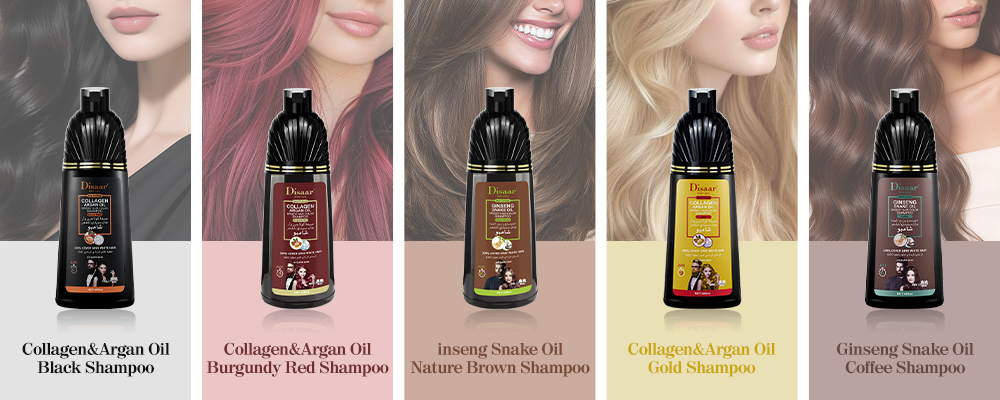
Not all hair color shampoos are the same. Some are designed for visible coverage, others for maintenance or color refreshing. Some lean into botanical or gentler positioning, while others stand out through format, like bubble dye.
That is why the first buyer decision is not "Which product do I like?" but rather "Which product type fits my channel and customer?"
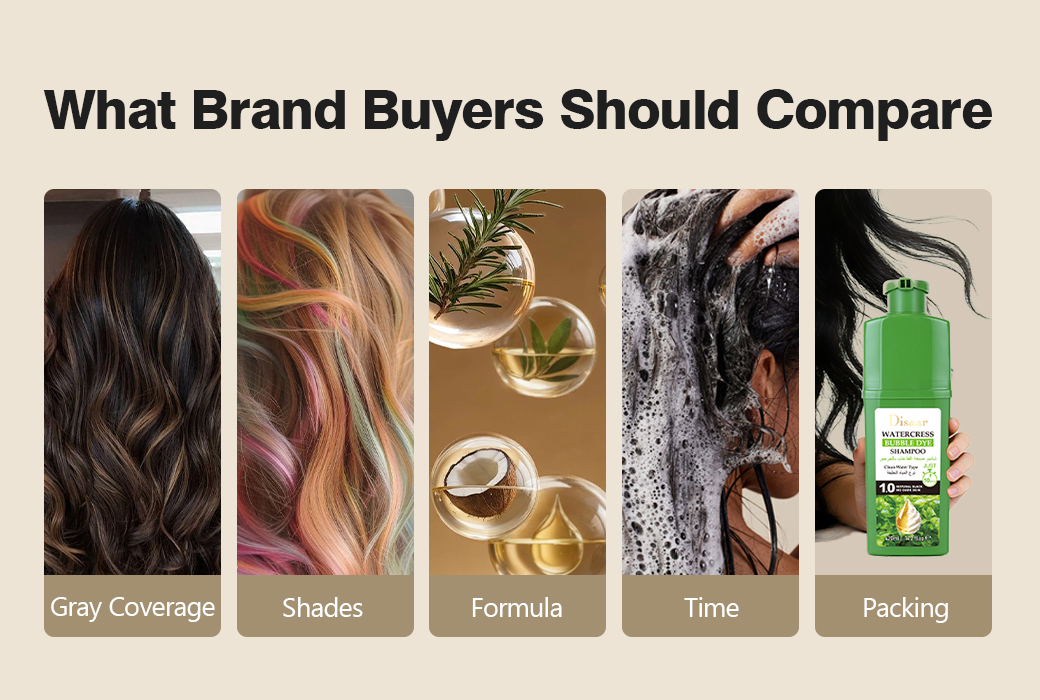
For a first launch, buyers typically evaluate:
If you're considering a gentler product story, our article on ammonia-free hair color shampoo outlines what brand buyers should compare before going in that direction.
If you're exploring newer, easier-to-demo formats, Watercress Bubble Dye Shampoo offers a good example of how trend appeal and practical use can align.
One of the most common mistakes in a first hair color shampoo project is launching too many shades. More shades add complexity to inventory, messaging, packaging, forecasting, and reorder planning.
Here's what has worked well for many new launches: start with the shades that are easiest to explain and sell, like natural black, dark brown, and brown.
These shades tend to sell more easily because they connect to clear needs like gray coverage, dark shade maintenance, or simple home-use coloring.
A first-time buyer shouldn't focus on the formula only. The product story matters just as much.
A successful hair color shampoo launch typically requires clear answers to these questions:
For example, a product story might focus on:
In our experience, the best-performing product stories are usually the simplest. Buyers tend to see stronger results when they choose one core selling idea and support it consistently.

A product that looks great in a catalog doesn't always perform well in the actual sales channel.
Before finalizing a line, buyers should consider where the product will actually be sold:
These factors influence:
For fast-moving channels, clear, easy-to-understand packaging matters more than overly technical language. This is especially true when targeting a broader customer base.
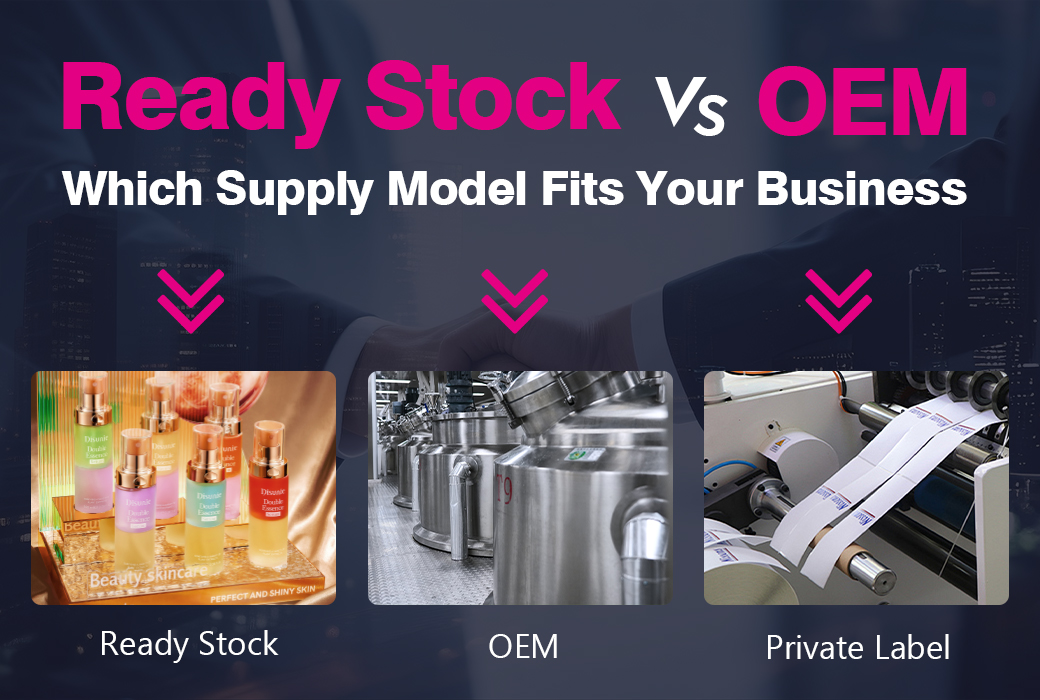
Many brands don't take the time to decide whether they actually need ready stock, private label, or OEM. That can lead to wasted time and misaligned expectations from the start.
| Feature |  Ready Stock Ready Stock |
 Private Label Private Label |
 OEM OEM |
| Time to market | Fastest | Medium | Building brand presence |
| Brand identity | Limited | Strong | Full control |
| Formula differentiation | No | Limited | Full |
| MOQ | Low | Medium | High |
| Best for | Testing the category | Building brand presence | Exclusivity & differentiatic |
For a deeper comparison, our guide to ready stock vs OEM hair color shampoo breaks down which model suits different business stages. If you’re leaning toward customization, our page on private label hair color shampoo covers formula, shades, packaging, and MOQ in more detail.
Many first-time buyers evaluate samples only from a personal-use perspective. That's not enough.
Of course, the product needs to feel acceptable in real use. But a buyer also needs to evaluate it as a commercial product.
This final point is critical. A first order might happen because a product looks interesting. A second order happens when the product solves a real need in a simple, repeatable way.
Hair color shampoo can be a strong entry point for brands looking for a product with clear demand, straightforward benefits, and flexible supply options.
The biggest mindset shift is this: do not think like a first-time user. Think like a first-time category builder.
That means defining the product's role first, narrowing your launch scope, comparing supply models early, and ensuring packaging and claims align with your channel.
Once that foundation is clear, the next steps become significantly easier.