EN
EN


Disunie Double Essence Serum Series: Unlocking the journey of luxurious skin transformation
2025/04/17
2026/03/28
Hair color shampoo is usually sold on convenience, easier home use, and practical gray coverage. Traditional hair dye is usually sold on stronger transformation, broader shade logic, and longer-lasting color expectations.
For haircare brands, this is a product-line decision first. It affects your launch complexity, your shade plan, your channel fit, your packaging, and your reorder logic. In many South American distributor and retail environments, easy-to-explain dark-shade products can move faster than more technical salon-style systems. But that does not mean hair color shampoo is always the better choice. It means the better choice depends on what job the line needs to do.
If you want the broader category map before comparing formats, our guide to hair color shampoo for brands explains how product types, buyer priorities, and supply options connect.
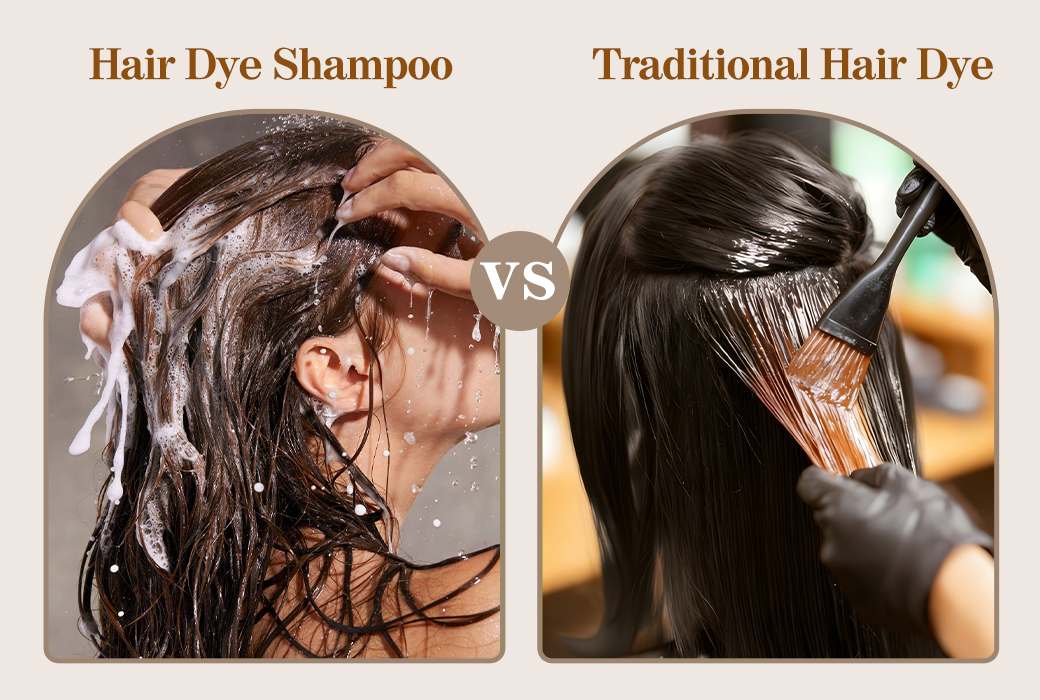
Hair color shampoo is usually positioned as the easier entry point. It is often linked to home use, gray coverage, simpler routines, and a lower barrier for first-time buyers or first-time buyers. Traditional hair dye is built for a different role: stronger change, longer wear, and more structured shade options.
These two product types serve different commercial roles and compared them directly often misleads the decision.
Hair color shampoo is a convenience-led product.
Traditional hair dye is a transformation-led product.
That single distinction helps clarify most of the business decision.
| Hair Color Shampoo | Traditional Hair Dye | |
| Best for | Simplicity, gray coverage, dark shades, home use | Stronger transformation, longer wear, wider shade systems |
| User experience | Approachable, familiar format, lower intimidation | More technical, time-consuming, higher expectations |
| Channel strength | Retail, distributor, online with short messaging | Salon-adjacent, professional image, structured shade logic |
| Shade range | Narrow (black, dark brown, brown) | Broad (fashion shades, structured families) |
| Repurchase logic | Frequent maintenance rhythm | Longer cycle, durability-led |
The real question is not which product is "better." The real question is which one fits the market you are trying to serve.
Choose hair color shampoo first when:
Here's what actually worked for many early launches: start with the simpler line first, prove demand, then decide whether a stronger traditional dye system is worth adding later.
Choose traditional hair dye first when:
Use both when:
In our experience, this hybrid structure often makes the most sense for brands that want to grow the category in stages instead of betting everything on one product family.
Hair color shampoo often has an advantage here because it is easier to explain fast. A practical dark-shade product with a clear gray-coverage message can be easier to move in mixed retail or distributor-led environments than a more technical dye system.
That is especially true when the pack needs to communicate the benefit quickly without a long consultation.
Both formats can work online, but the education burden is different.
Hair color shampoo is easier to present with short benefit-led messaging. Traditional dye may need more shade explanation, more comparison support, and more confidence-building content to help the customer choose correctly.
Traditional dye may still hold more authority in salon-influenced environments, especially when the brand wants a more professional image or a broader shade structure.
We've seen this fail when a brand assumes the easier product is always the better commercial product. Sometimes the simpler format wins. Sometimes the channel still expects the authority of a more traditional dye system.
The choice between these two categories affects your launch architecture more than many buyers expect.
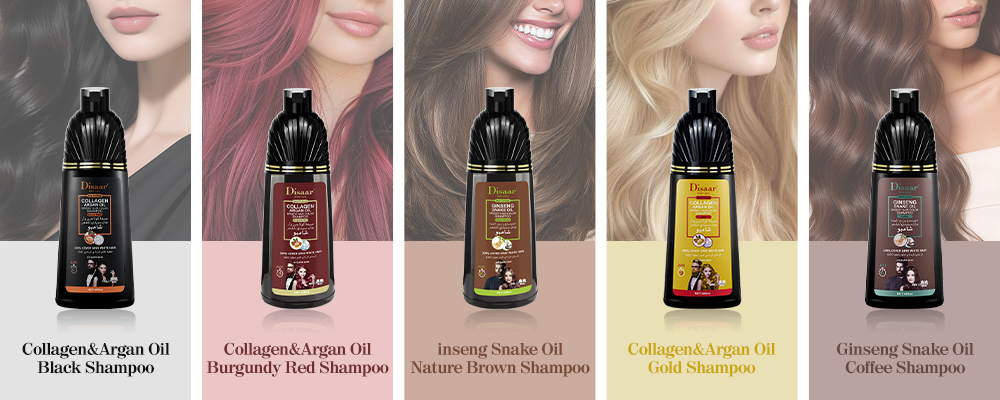
Hair color shampoo usually supports a narrower first range: black, dark brown, and brown. That narrower approach supports easier inventory control, simpler packaging, cleaner communication, and faster decision-making for first-time buyers.
Traditional dye often pushes brands toward broader shade planning: more SKUs, more labeling complexity, more education, and more risk if forecasting is weak.
For many brands, especially early in the category, hair color shampoo is easier to launch cleanly because the range can stay tighter.
Here's what actually worked: fewer shades, clearer benefit hierarchy, and packaging that makes the product role obvious from the front panel.
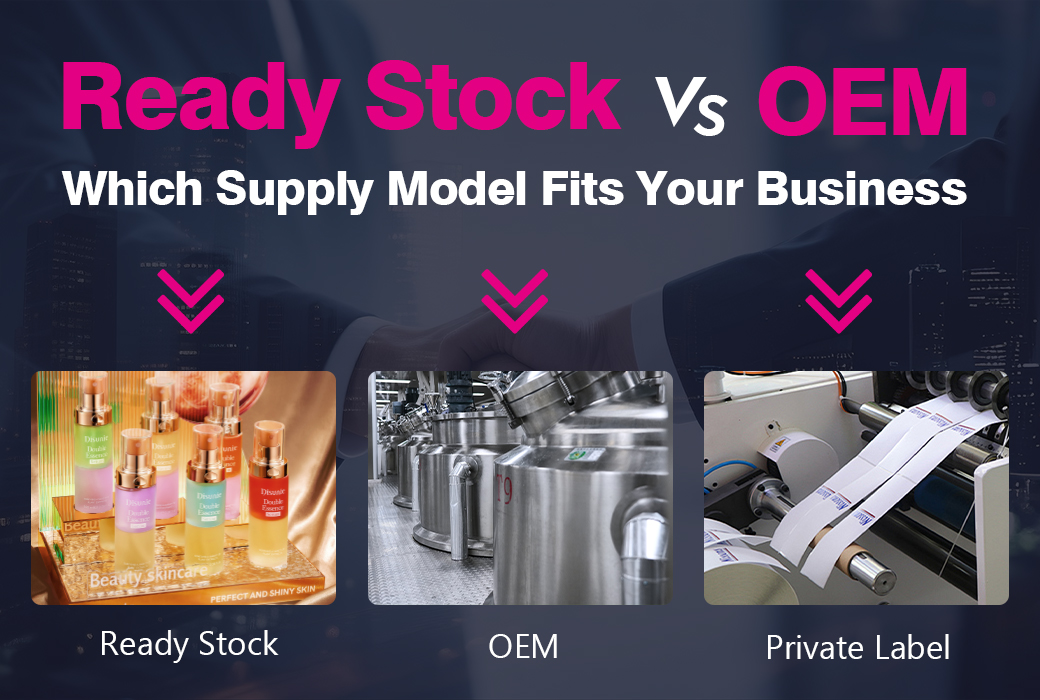
Hair color shampoo often works well for ready stock because the commercial logic is easier to test quickly. Private label also makes sense here. Brand differentiation can come from packaging, shade focus, formula story, and ease-of-use communication.
Traditional dye may justify deeper OEM work more often when shade differentiation matters, performance targets are more complex, the brand needs stronger technical positioning, or the line is intended to look more advanced.
If you are weighing business models as part of the format decision, our guide to ready stock vs OEM hair color shampoo breaks down which supply model fits different stages. And if your direction is already moving toward customization, our page on private label hair color shampoo covers formula, shades, packaging, and MOQ in more detail.
Formula matters, but it is not enough. Serious buyers should compare these categories across six areas:
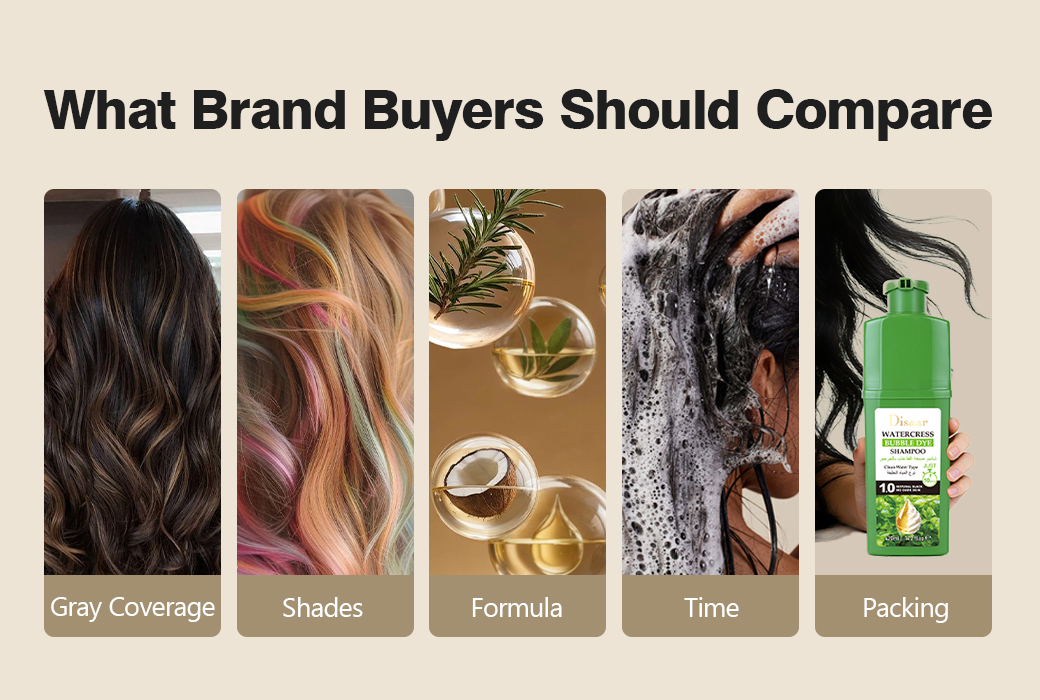
Hair color shampoo and traditional hair dye both have real value. One is not replacing the other. They serve different commercial roles.
Hair color shampoo is usually the better first move when your market rewards simple communication, dark-shade practicality, and easier home-use positioning. Traditional dye usually makes more sense when your brand needs stronger transformation, longer-wear logic, and a wider shade system.
For some brands, the smartest answer is not choosing one over the other. It is using both, with each product line doing a different job.
The best decision comes from matching the product line to the business model, the channel, and the market expectation. That is usually what separates a line that looks good on paper from a line that actually sells.
Not sure which format fits your market? We help brands compare shade plans, packaging, and supply models before launch. Whether you are starting with a ready-stock test or moving toward a full OEM system.