 ×
×
Launching a hair color shampoo under your own brand starts with a clear product role, a realistic shade plan, and a supply model that fits your stage of growth.
This guide is written for brand owners, private label buyers, and importers who need to understand what works, what doesn't, and when bringing a hair color shampoo to market.
The phrase "hair color shampoo" is used in two different ways, and that creates confusion from the start.
One version is a hair dye shampoo designed for visible color change or gray coverage. This is the type most buyers mean when they want a convenient at-home option in black, dark brown, or brown. A lot of current manufacturers and product pages lean heavily on this angle.
The other version is a color-depositing shampoo designed to refresh or maintain tone. This type usually works better as a maintenance product than as a strong gray-coverage product.
That difference matters because the product story, shade plan, claims, and reorder pattern are not the same.
A gray-coverage dye shampoo is usually sold on speed, simplicity, and visible results. A color-depositing shampoo is usually sold for maintenance, refresh, and support for already-colored hair.
We've seen this fail when a brand tries to sell a maintenance formula with the promise of strong first-use gray coverage. The product may still be decent, but the mismatch creates complaints fast.
If you want a closer look at gentler positioning within this category, our guide to ammonia-free hair color shampoo explains what brand buyers should really compare.
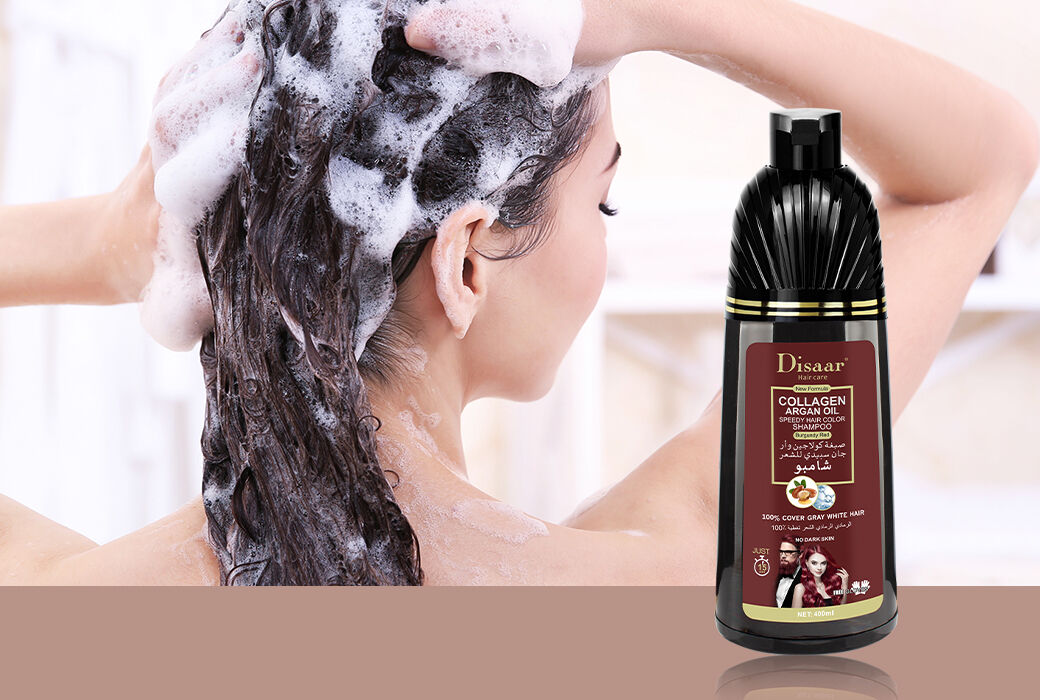
Not every hair color shampoo is trying to do the same job. A clean launch starts with a clear product role.
This is the commercial workhorse in many mass-market channels. It is easy to explain, easy to demonstrate, and easy to connect to a visible need. Buyers often start with dark shades because they are simpler to position and usually easier to scale.
This type makes sense when your customer wants:
For many brands, this is the most direct entry point.
This type is better for refreshment than transformation. It supports tone maintenance and can work well in brands that already speak to colored-hair care, salon aftercare, or premium wash-and-care routines.
This is usually not the best first choice if your main selling point is obvious gray coverage.
Many buyers are drawn to this space because "ammonia-free" is easy for consumers to understand and for brands to market.
Still, ammonia-free is not a full strategy by itself. Buyers should also compare:
A softer headline does not automatically mean a stronger product-market fit.
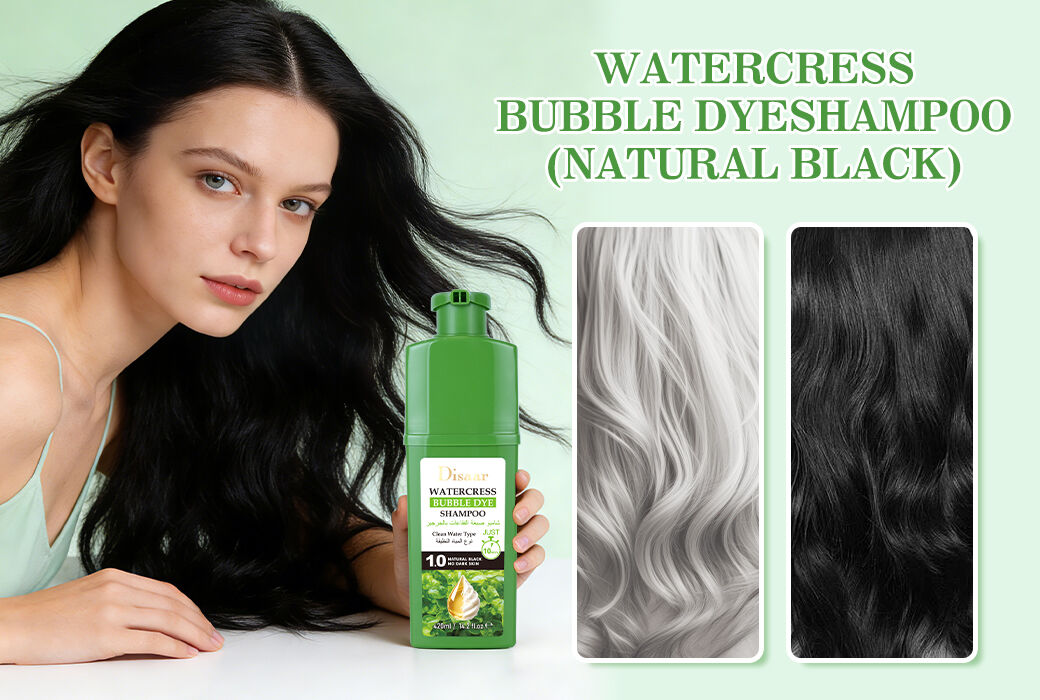
Bubble and foam formats get attention because they look easier, feel newer, and give sales teams a simple visual story. That is one reason trend-led pages around bubble dye shampoo have gained traction.
If you are evaluating this direction, our article on Watercress Bubble Dye Shampoo looks at why this format is getting attention from hair care buyers and where it may fit commercially.
A lot of pages ranking for this topic describe ingredients or broad benefits. That is not enough for a brand owner who actually needs to make a launch decision.
The questions that matter most are usually these.
Some products focus on a blend. Some focus on cover. Some look strong in a photo but perform more like a support product in real use.
Your target result should be defined early:
Most new launches do not need a wide shade library on day one. Dark shades usually make more commercial sense early because demand is broader, communication is simpler, and packaging decisions are easier.
Here’s what actually worked for many practical launches: start with black and dark brown, validate sell-through, then extend only after you know which channel is responding.
End users do not compare formulas the way manufacturers do. They compare outcomes and hassle.
That means buyers should ask:
If the product is positioned for easy home use, the whole system needs to support that promise.
A product can sell once because of curiosity. It reorders because it fits a real routine.
A strong reorder story might be:
If you are still shaping the category from a portfolio angle, our page on hair color shampoo for new product lines covers what first-time brand buyers need to know before they go deeper.
This works best when your focus is speed, clarity, and practical benefit. Think dark shades, easy instructions, and visible outcome. For many channels, especially where shoppers respond to simple, direct packaging, this is the easiest story to sell.
This makes more sense for a brand already close to treated-hair care, premium maintenance, or color refresh. The product should feel supportive, not harsh, and the communication should reflect routine use rather than a one-time transformation.
This route usually depends on the strength of the formula story and how carefully claims are handled. Botanical inspiration, ammonia-free positioning, and a more caring tone can all work well, but only when the performance expectations are realistic.
This is where bubble dye, ingredient-led storytelling, and new-format presentation can help. In some South American retail and distributor environments, a practical trend product can perform better than an overly technical one because the benefit is easier to demonstrate and explain.
In our experience, the best trend-led launches are still grounded in everyday use. The format may be new, but the customer benefit should stay simple.
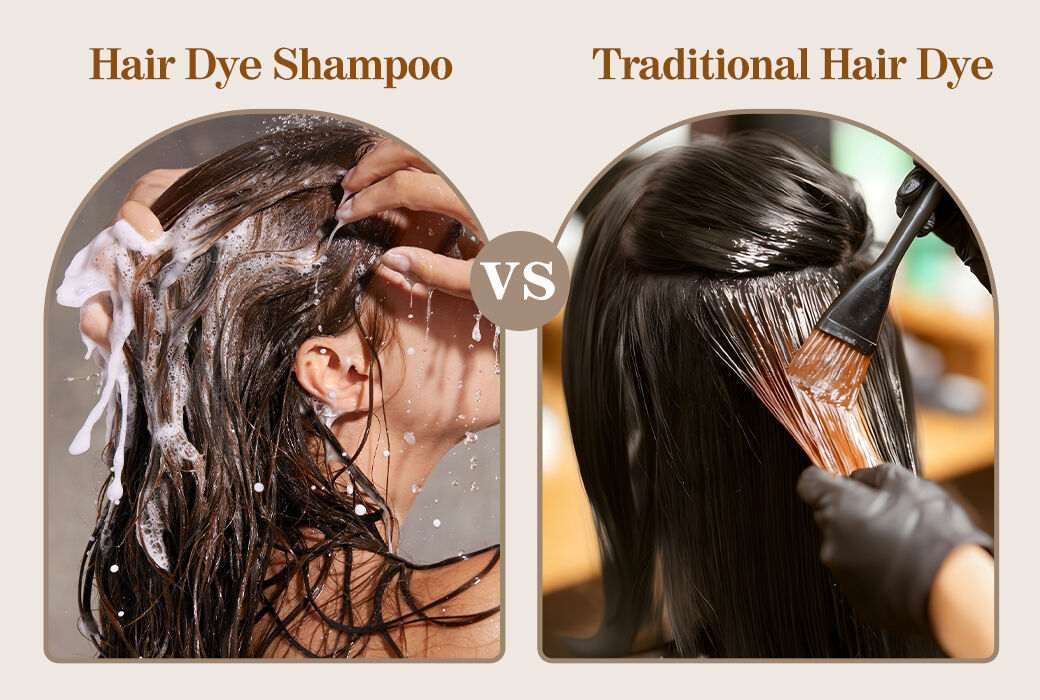
This is not only a product comparison. It is a channel and positioning decision.
Hair color shampoo often wins when your brand needs:
Traditional hair dye still wins in other cases:
A lot of brands do not need to choose only one. They use hair color shampoo as the accessible or convenience-led SKU, then keep more traditional dye formats for customers who want broader color change options.
For a deeper comparison, see hair color shampoo vs traditional hair dye if you want to evaluate which product line fits your market better.
Ready stock works when speed matters more than differentiation.
This can make sense for:
The tradeoff is obvious. You move faster, but you own less of the formula story.
Private label gives you a stronger brand presence without starting from zero. You work from an existing formula base, then shape brand identity through packaging, label, shade selection, and commercial presentation.
This model usually makes sense when you want:
This is the better route when formula differentiation matters and you are ready for a longer process. Development, testing, revisions, packaging alignment, and commercial approval all take more time.
This works best for:
If you are comparing these paths directly, our guide on ready stock vs OEM hair color shampoo breaks down which supply model fits different business goals.
And if you are already leaning toward custom branding, our page on private label hair color shampoo explains formula, shades, packaging, and MOQ in more detail.

A good sample is not enough. A good first conversation is not enough either.
You need to know whether the manufacturer fits your product plan, your packaging reality, and your growth model.
Start with the use case:
Some current supplier pages highlight GMP and ISO 22716, which are useful reference points for buyers evaluating factory discipline and process quality.
But documentation should be more than a logo on a page. Ask what is actually available for your project and market requirements.
You need clarity on:
Ask early about:
We've seen this fail when buyers focus on unit price too early and ignore sampling discipline, documentation readiness, or packaging limits.
If you are at the point of factory screening, our checklist on how to evaluate a hair color shampoo manufacturer can help you structure the conversation before you place a bulk order.
Packaging, shades, and format decisions that affect sell-through.
A lot of product and marketplace pages show multiple pack forms, including bottles and sachet-style units, but they rarely explain how a brand owner should choose between them.
These can work well when:
These often feel more established and support a stronger branded shelf presence. They may also fit better in beauty stores, salon-adjacent channels, and online listings where perceived value matters.
For many new launches, black and dark brown are the practical first move. They are easier to communicate, easier to test, and often more relevant for broad consumer demand.
That does not mean lighter or fashion shades have no place. It just means they usually should not come before the core shades prove demand.
The pack should answer the customer’s questions before the instruction panel does.
That means:
Here's what actually worked: fewer claims on the front, clearer benefit hierarchy, and packaging that makes the first-use experience feel manageable.
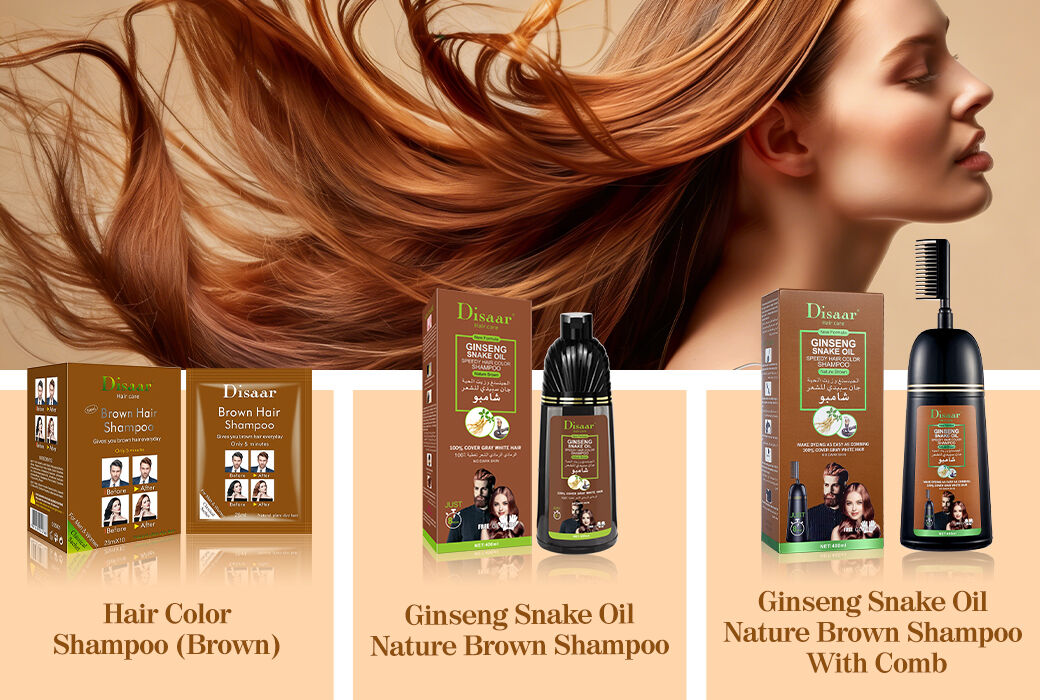
A lot of market pages use terms like "natural," "ammonia-free," "herbal," or "gentle." Those can be useful positioning points, but they need careful handling. FDA guidance also continues to emphasize patch testing, instructions, glove use, timing, and eye-area warnings for hair dye products.
That means your brand communication should stay disciplined.
It can support a gentler or less harsh positioning. It does not automatically mean risk-free, irritation-free, or appropriate for every user.
This is not a detail to hide in the small print. Clear use instructions help reduce complaints and protect the customer experience.
When the front label says one thing and the in-use experience says another, trust drops fast.
Here is a more practical path.
Decide whether the first SKU is:
One product cannot do every job well.
Do not launch too wide. Start with the shades and packaging most likely to move.
For many brands, that means dark shades first, then expansion later.
Do not judge a sample only by shade in the lab. Test:
Make sure the label, instructions, and sales story all match the real product behavior.
Pick the supply model that fits your stage, not the one that sounds most ambitious.
In our experience, brands make better decisions when they ask, "What can we sell well in the next 12 months?" instead of "What sounds most impressive right now?"
Most problems in this category are not caused by the formula alone.
They usually come from weak alignment between product, message, and channel.
Common mistakes include:
We've seen this fail when a brand borrows consumer-facing marketing language from viral products but does not adjust the product brief or the packaging system to match its own channel.
What is the difference between hair dye shampoo and color-depositing shampoo?
Hair dye shampoo is usually positioned for visible color change or gray coverage. Color-depositing shampoo is usually better for tone refresh or maintenance.
Is ammonia-free hair color shampoo always the best choice?
Not always. It can be a strong positioning point, but buyers still need to compare performance, shade result, usage feel, and commercial fit.
Which shades should a new brand launch first?
For many brands, black and dark brown are the most practical opening range because they are easier to position and easier to test commercially.
Is hair color shampoo better for ready stock or private label?
That depends on your stage. Ready stock is faster. Private label usually gives you better brand control. Full OEM gives you more differentiation but takes more time.
What should I ask a manufacturer before approving samples?
Ask about formula fit, claim realism, shade consistency, MOQ, lead time, packaging options, revision process, and documentation.
Build a hair color shampoo line that fits your market
A strong hair color shampoo launch usually comes down to three choices: the right product type, the right buyer priorities, and the right supply model.
Get those three right, and the rest becomes much easier.
If your market responds to practical, easy-to-explain products, a gray-coverage or convenience-led hair color shampoo may be the right starting point. If your brand is more care-focused, a maintenance or gentler-positioned formula may make more sense. If speed matters, ready stock can be useful. If branding and margin matter more, private label or OEM may be the better path.
The best launch is rarely the most complicated one. It is the one that fits your channel, your customer, and your next stage of growth
 EN
EN





 Hot News