EN
EN


Disunie Double Essence Serum Series: Unlocking the journey of luxurious skin transformation
2025/04/17
2026/01/17
Ammonia-free hair color shampoo appeals to brands that want a softer formula story without losing the convenience of a shampoo-based coloring product. For buyers, the real decision is not only whether a formula contains ammonia. It is whether the product can deliver the right balance of market appeal, color performance, scalp comfort positioning, and ease of use.
Many brands focus on the phrase "ammonia-free" because it sounds attractive on the label. But they do not spend enough time comparing what really matters in the product itself. In our experience, buyers get better results when they treat ammonia-free as one part of the product story. If you want to see how this category fits into the bigger picture, start with our guide hair color shampoo product types and buyer priorities.
Ammonia-free is one of the easiest claims for end users to understand. It suggests a gentler coloring experience, a milder smell, and a softer alternative to more aggressive dye systems. That is exactly why many brands use it to position a hair color shampoo line for home use, dark-shade coverage, or convenience-led color care.
When customers are looking for practical at-home products, easy instructions often work well. A buyer does not always need the most complex formula.
That is also why ammonia-free hair color shampoo can work well as an entry product in a broader color-care range. Brands entering this category for the first time should also look at hair color shampoo for new product lines before deciding what kind of product to launch first.
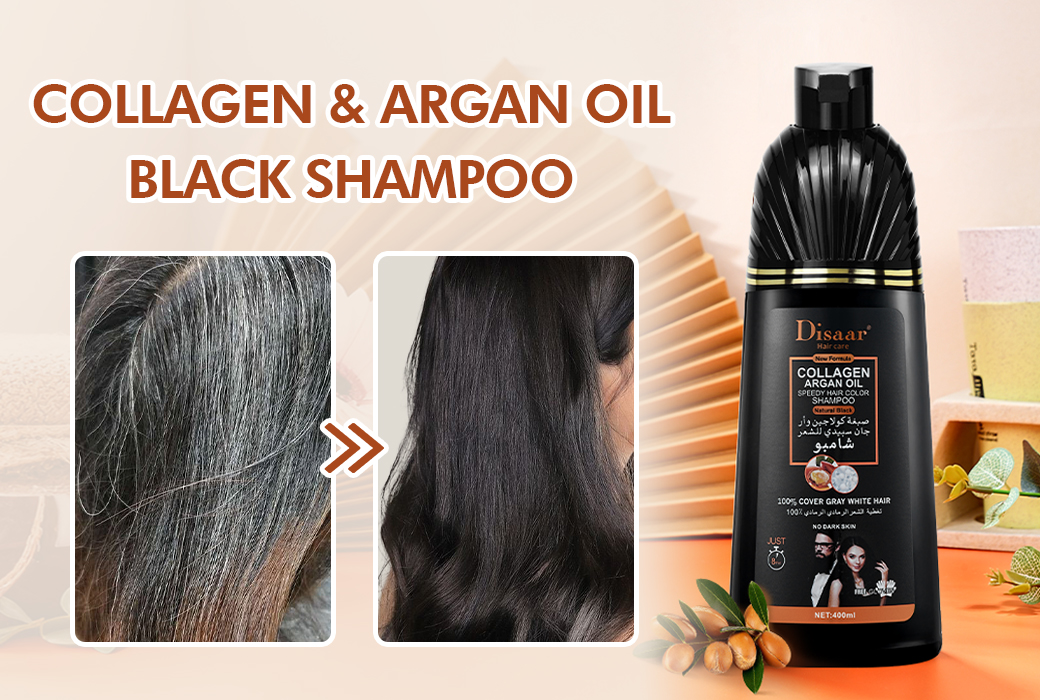
Ammonia-free hair color shampoo does not use ammonia as the main alkalizing agent in the coloring process. Instead, it uses alternative ingredients to support color application. From a buyer's point of view, that usually means the product is positioned as gentler, more comfortable to use, and easier to accept for customers who are cautious about strong-smelling or harsh-feeling formulas.
But ammonia-free does not automatically mean every formula performs the same way. It also does not mean the product should be marketed as risk-free or irritation-free for everyone.
What matters more is how the full formula performs in real use:
We've seen this fail when brands rely too heavily on a soft formula claim but ignore whether the product still delivers a convincing result for the target user.
Both ammonia-free and regular hair dye shampoos are designed to change or enhance hair color.
Regular hair dye shampoos are often positioned around stronger, faster, or more noticeable color results. They may be better suited for formulas where stronger gray coverage or a more visible color change is the main selling point.
Ammonia-free hair color shampoos usually support a gentler product story and a more comfortable use experience.
For brand buyers, a better comparison is:
Some ammonia-free formulas are best for subtle enhancement or a softer result. Others are built for clearer gray coverage in practical shades like natural black or natural brown.
Before choosing a product, ask:
For many brands, dark shades are still the starting point. Natural black and dark brown are often more commercially practical for broad-market sell-through.
Ammonia-free is one part of the story. Buyers should also look at whether the formula includes ingredients that support a stronger care message, such as oils, plant extracts, or conditioning ingredients.
A shampoo-based color product needs to feel simple. That includes:
The packaging should make the product easy to understand at a glance. For many buyers, the front label needs to communicate:
If your brand is still deciding between different product directions, it helps to compare hair color shampoo vs traditional hair dye before finalizing the line plan.
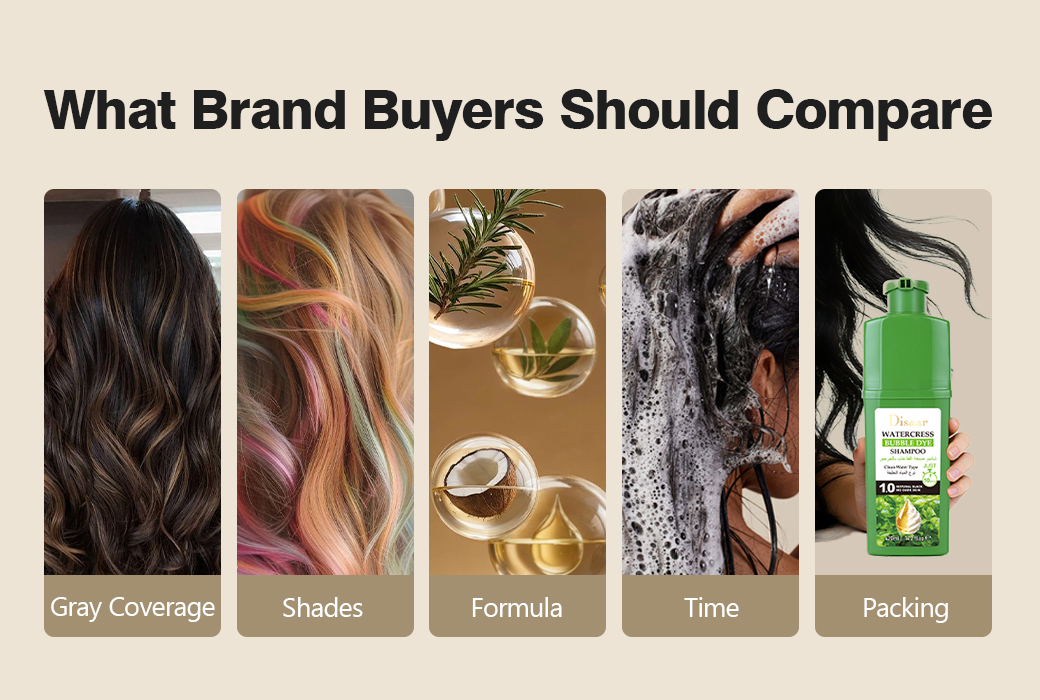
The original idea of using product examples still works, but the examples need to support a buyer's decision, not just list ingredients.
A formula built around collagen, argan oil, aloe vera extract, ginger, black sesame, and green tea can support a smoother "care plus color" story. This kind of product may fit brands that want to combine visible color benefit with shine, softness, and a more nourishing impression.
From a buyer's perspective, the value is not only in the ingredient list. The value is in how those ingredients support the positioning:
A formula built around ginseng, snake oil, polygonum multiflorum, keratin, ginger, and goji berry may support a more herbal, traditional-care, or hair-nourishing story.
This direction can work for buyers who want a formula concept that feels more treatment-led, especially when the product is sold with a stronger botanical or heritage-style positioning.
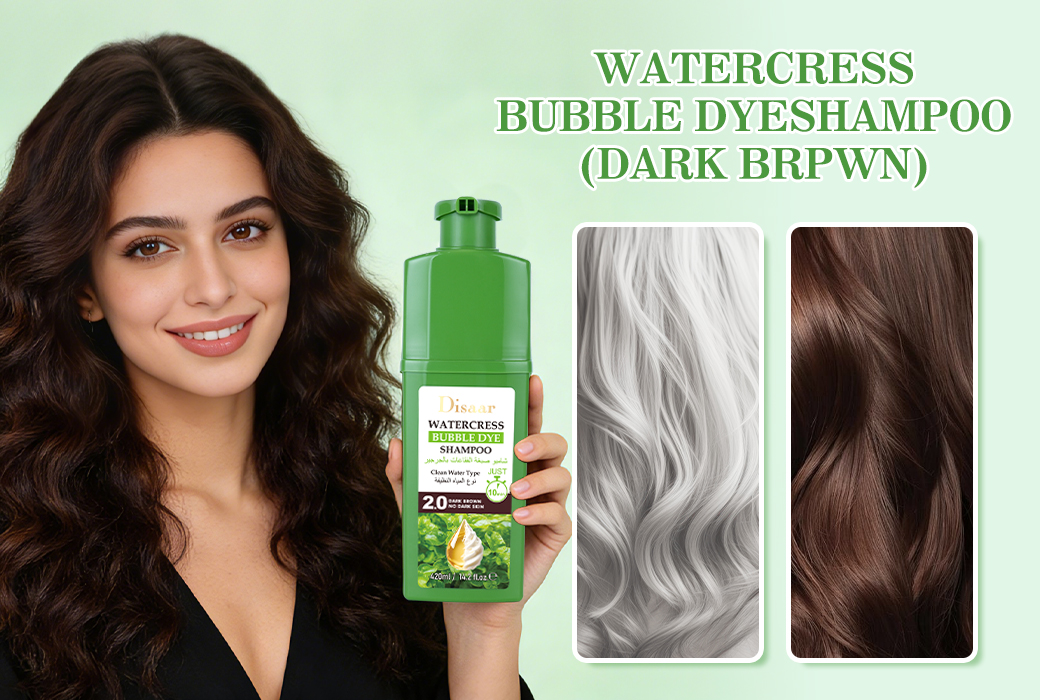
The key lesson is simple. Do not present ingredients as decoration. Present them as part of a clear product story. If you are also exploring trend-led concepts, Watercress Bubble Dye Shampoo is a useful example of how ingredient story and convenience format can work together.
This type of product makes the most sense when your brand needs one or more of these:
In our experience, ammonia-free hair color shampoo often works best when the brand keeps the message practical. Customers need a product that sounds manageable, looks trustworthy, and delivers a result that feels worth buying again.
For many brands, ammonia-free hair color shampoo is a strong private label opportunity.
If you are comparing supply paths, our article on ready stock vs OEM hair color shampoo can help you decide which model fits your business stage better. And if you are already moving toward customization, our guide to private label hair color shampoo covers formula, shades, packaging, and MOQ in more detail.
For brand owners, that is the real question: not whether ammonia-free sounds good, but whether the full product is built to fit your market, your channel, and your next stage of growth.