EN
EN


Disunie Double Essence Serum Series: Unlocking the journey of luxurious skin transformation
2025/04/17
2025/12/30
Vitamin C works for both facial and body care. That part is not in question. The problem starts when brands assume that because the ingredient is the same, the product logic should be the same too.
Facial skin and body skin behave differently. They are used differently, judged differently, and repurchased for different reasons. When Vitamin C products ignore these differences, the line becomes harder to understand and harder to sell. When those differences are built into the structure, the system becomes clearer almost immediately.
This is where many Vitamin C portfolios either gain traction or quietly stall.
When these differences are built into a structured Vitamin C skincare system, the entire portfolio becomes easier to understand and easier to sell.
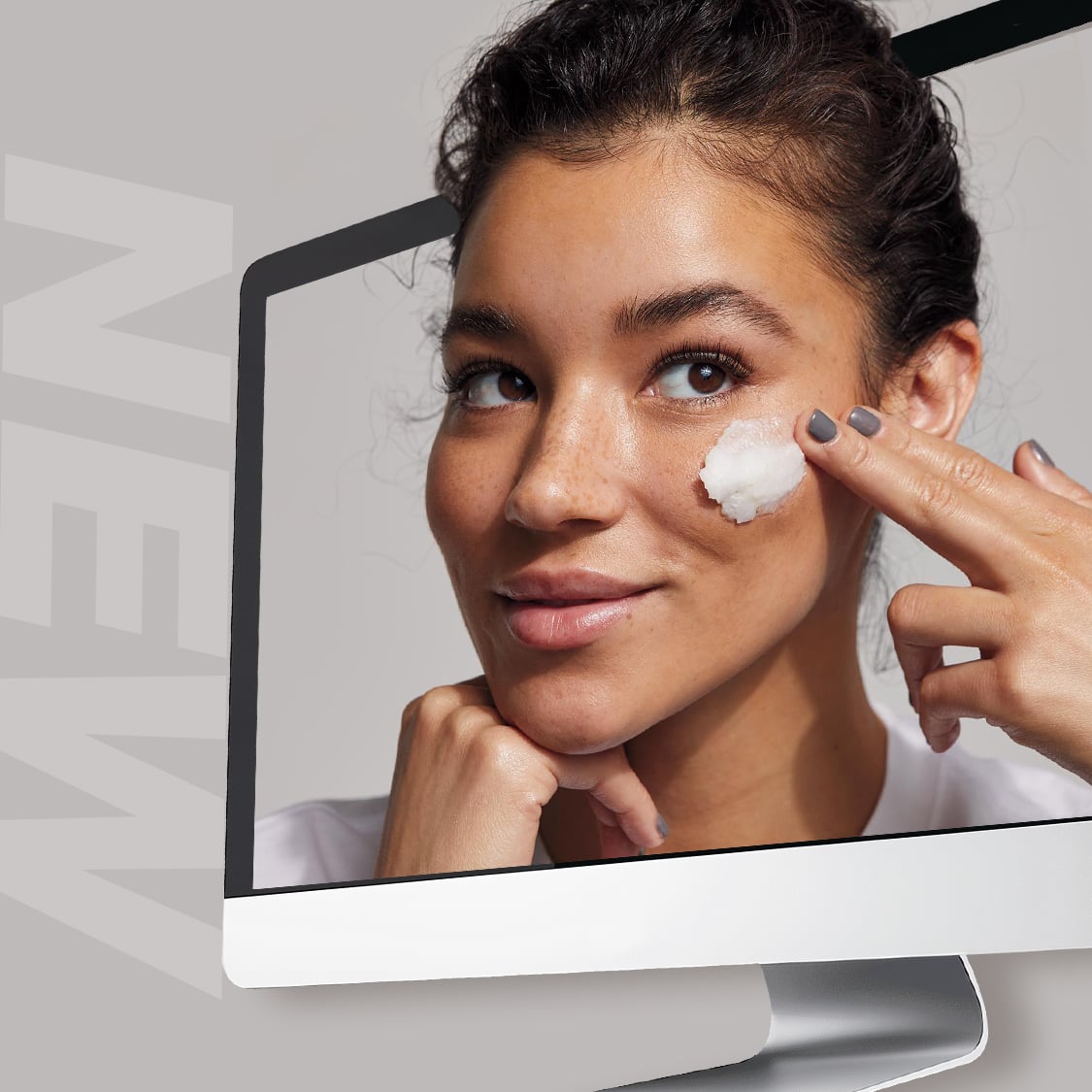
Facial Vitamin C products are usually part of a daily routine, often applied once or twice a day.
Consumers expect precision, comfort, and results they can notice in the mirror.
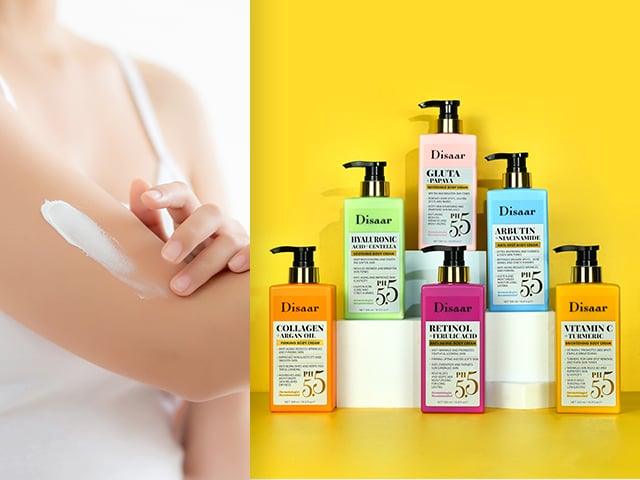
Body Vitamin C products are used more generously and over larger areas. They are judged less on immediate transformation and more on how the skin feels over time.
In my experience, ignoring usage frequency leads to misplaced expectations. Products may be well-formulated, but they feel "wrong" for how people actually use them. That feeling alone can stop repeat purchase.
Facial care is evaluated closely. Consumers look for visible tone improvement, smooth texture, and compatibility with other steps in their routine.
Body care is evaluated differently. Hydration, comfort, and gradual brightening matter more than precision. Coverage and value perception also play a much bigger role.
I've seen this fail when brands copy facial claims directly onto body products. Promising fast, dramatic results for body care raises expectations that are unnecessary and often unmet.
Clear separation lowers friction and increases satisfaction, even when the ingredient is the same.
Texture is not just about preference. It teaches people how to use a product.
Facial Vitamin C products tend to perform best in lighter, fast-absorbing formats that layer easily with other steps. Serums, light lotions, and emulsions fit naturally into daily routines.
Body Vitamin C products benefit from spreadable, comfort-driven textures that support longer massage time and larger application areas.
Here’s what actually worked: using texture as a silent guide. When texture matches usage instinctively, less education is needed and routines form more naturally.
Facial formulas prioritize stability and tolerance. Supporting ingredients are often chosen to enhance comfort and maintain consistency over daily use.
Body formulas work better when Vitamin C is paired with moisturizers and soothing components that improve overall skin condition over time. The goal is not intensity, but consistency.
This difference allows brands to expand lines without confusing consumers. Vitamin C remains the common thread, but the execution clearly signals where and how each product belongs.
A well-structured facial Vitamin C line usually includes a clear entry point and logical progression.
Daily-use products focus on maintenance and visible tone improvement. More targeted formats support deeper care without replacing the basics. Each product has a defined role, so they complement rather than compete.
When this logic is clear, consumers do not feel pressured to choose. They understand how products fit together, which increases confidence and repeat use.
Body care follows a different rhythm.
Products are designed for frequent use, larger sizes, and longer consumption cycles. Brightening is gradual, supported by hydration and comfort rather than aggressive claims.
This sub-system works best when expectations are framed correctly. Instead of chasing instant results, it focuses on steady improvement and everyday usability.
When facial and body systems are clearly separated but visually and conceptually connected, the overall portfolio feels complete rather than fragmented.
Sets play a critical role in structured Vitamin C systems.
They do not merge face and body logic. They connect them through routines. A facial morning routine paired with a daily body care step makes sense. Seasonal or climate-based combinations also feel natural when positioned correctly.
From a commercial perspective, sets simplify decision-making and increase average order value. From a user perspective, they remove uncertainty.
This is where system design shows its value. Products do not need louder claims. The structure does the explaining.
Several mistakes appear repeatedly across markets.
One is treating Vitamin C as a universal solution without adapting usage logic. Another is expanding SKUs without assigning clear roles. Products multiply, but clarity disappears.
I've seen this fail when everything is positioned as "multi-purpose." Instead of flexibility, it creates hesitation.
Another common issue is the lack of guidance on usage order. When consumers are unsure how products fit together, they often stop at one purchase.
These problems are not formulation failures. They are structure failures.
Building a Vitamin C product system is not about adding more SKUs. It is about designing how products work together.
Vitamin C does not need to be reinvented to perform better. It needs to be organized more thoughtfully.
Facial and body care require different logics, different expectations, and different rhythms. When those differences are respected, Vitamin C becomes easier to use, easier to explain, and easier to sell.
The strongest Vitamin C portfolios are not the largest. They are the clearest. And clarity is what turns a familiar ingredient into a system that actually grows.