EN
EN


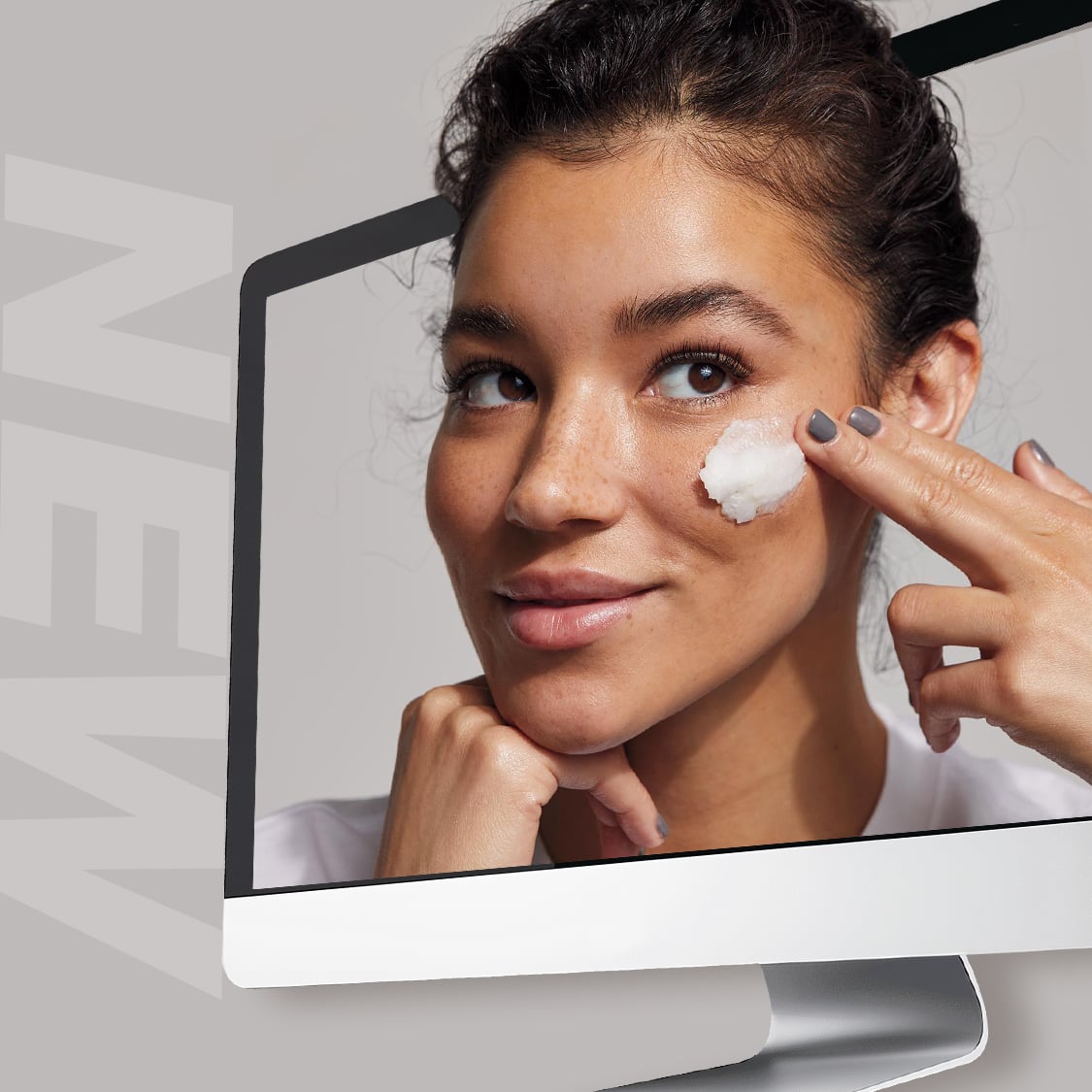
Disunie Double Essence Serum Series: Unlocking the journey of luxurious skin transformation
2025/04/17
2025/12/29
The beauty industry is experiencing unprecedented growth in facial serum manufacturing, with innovative ingredients revolutionizing how consumers approach skincare. Modern facial serum manufacturing has evolved beyond traditional formulations to incorporate cutting-edge biotechnology, sustainable sourcing, and advanced delivery systems. These developments are reshaping the landscape of skincare products, offering enhanced efficacy and meeting the growing demand for personalized beauty solutions. The global facial serum market continues to expand as manufacturers invest heavily in research and development to create products that deliver visible results while maintaining safety standards.
Peptide innovation represents one of the most significant breakthroughs in modern facial serum manufacturing. Advanced peptide complexes now include signal peptides, carrier peptides, and neurotransmitter peptides that work synergistically to stimulate collagen production and reduce visible signs of aging. These bioactive molecules penetrate deeper into the skin layers, triggering cellular repair mechanisms that were previously difficult to activate through topical applications. Manufacturing processes have been refined to ensure peptide stability during production and storage, maintaining their bioactivity throughout the product's shelf life.
The integration of biomimetic peptides has revolutionized how serums interact with skin cells. These synthetic peptides mimic naturally occurring proteins in the skin, enhancing the body's natural healing and rejuvenation processes. Manufacturers are now able to create custom peptide blends tailored to specific skin concerns, from fine lines to hyperpigmentation, making personalized skincare more accessible than ever before.
Plant stem cell technology has emerged as a game-changing innovation in facial serum manufacturing. These powerful botanical extracts provide concentrated antioxidant protection while supporting skin cell regeneration and renewal. Alpine rose stem cells, grape stem cells, and argan stem cells are among the most sought-after ingredients, offering potent anti-aging benefits without the ethical concerns associated with animal-derived components.
The extraction and stabilization of plant stem cells require sophisticated manufacturing techniques that preserve their cellular integrity and bioactivity. Advanced processing methods ensure that these delicate compounds maintain their efficacy throughout the production cycle, resulting in serums that deliver consistent and measurable results for consumers seeking natural yet effective skincare solutions.
Nanotechnology has transformed the effectiveness of active ingredients in facial serum manufacturing by enabling deeper penetration and controlled release. Nanoencapsulation techniques protect sensitive compounds from degradation while ensuring they reach target skin layers where they can exert maximum benefit. This technology allows manufacturers to incorporate previously unstable ingredients like vitamin C, retinol, and growth factors into stable formulations that maintain potency over extended periods.
The development of smart nanocarriers that respond to skin pH, temperature, or moisture levels represents the next frontier in targeted skincare delivery. These intelligent systems release their payload precisely when and where needed, maximizing ingredient efficacy while minimizing potential irritation. Manufacturing facilities must now incorporate specialized equipment and cleanroom environments to produce these sophisticated delivery systems safely and consistently.
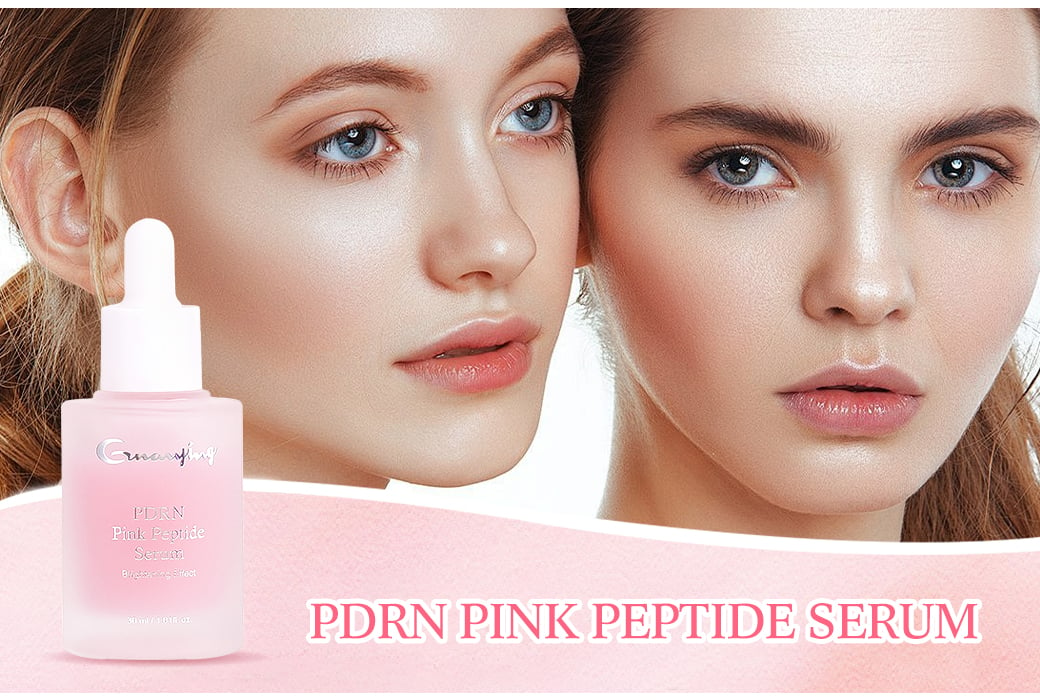
Liposomal technology has become increasingly sophisticated in facial serum manufacturing, offering superior ingredient stability and enhanced bioavailability. These phospholipid-based vesicles protect active compounds during storage and facilitate their transport across skin barriers. Advanced manufacturing processes now create multi-layered liposomes that can carry multiple active ingredients simultaneously, allowing for complex formulations that address various skin concerns in a single product.
Microencapsulation techniques have evolved to include time-release mechanisms that provide sustained ingredient delivery throughout the day. This technology ensures that beneficial compounds continue working long after application, extending the serum's effectiveness and improving user satisfaction. The precision required in creating these microscopic delivery systems has elevated manufacturing standards across the industry, driving innovation in production equipment and quality control processes.
Fermentation technology has revolutionized ingredient efficacy in facial serum manufacturing by breaking down complex botanical compounds into smaller, more bioavailable molecules. Fermented ingredients like fermented rice water, sake filtrate, and fermented botanical oils penetrate skin more effectively than their non-fermented counterparts. The fermentation process also creates beneficial byproducts such as amino acids, vitamins, and probiotics that enhance skin health and barrier function.
Manufacturing facilities specializing in fermented ingredients must maintain strict environmental controls to ensure proper fermentation conditions and prevent contamination. The resulting products offer enhanced stability, improved skin tolerance, and superior moisturizing properties compared to traditional botanical extracts. This biotechnology approach aligns with consumer preferences for natural, sustainable ingredients while delivering scientifically proven results.
Synthetic biology represents the frontier of ingredient innovation in facial serum manufacturing, enabling the production of rare and expensive compounds through engineered microorganisms. This technology allows manufacturers to create sustainable alternatives to traditional ingredients while maintaining or enhancing their beneficial properties. Synthetic biology can produce identical copies of precious botanical compounds, marine extracts, and even human growth factors without environmental impact or ethical concerns.
The precision and consistency achievable through synthetic biology ensure that every batch of serum contains the exact concentration of active ingredients specified in the formulation. This level of control was previously impossible with naturally sourced materials, which can vary significantly based on growing conditions, harvest timing, and processing methods. As regulatory frameworks adapt to these new technologies, synthetic biology will likely become increasingly important in facial serum manufacturing.
Water reduction and elimination in facial serum manufacturing represents both an environmental initiative and a formulation advancement. Waterless serums concentrate active ingredients, reducing the need for preservatives while maximizing product efficacy. These formulations often use alternative solvents like plant-derived glycols, oils, or silicones to create luxurious textures without compromising ingredient stability or skin compatibility.
The manufacturing processes for waterless serums require specialized equipment and techniques to ensure proper mixing and homogenization without water as a medium. This approach not only reduces environmental impact but also allows for higher concentrations of active ingredients, creating more potent formulations that deliver faster and more noticeable results for consumers seeking intensive skincare treatments.
Environmental consciousness is driving innovation in facial serum manufacturing toward biodegradable and sustainably sourced ingredients. Manufacturers are developing alternatives to synthetic polymers, using plant-based thickeners, natural emulsifiers, and biodegradable film-formers that provide similar performance characteristics without environmental persistence. These green chemistry approaches require careful reformulation to maintain product stability and user experience.
The transition to eco-friendly ingredients often involves collaboration with agricultural partners to ensure sustainable sourcing and fair trade practices. Manufacturing facilities are also implementing closed-loop systems to minimize waste and reduce water consumption during production. These sustainability initiatives appeal to environmentally conscious consumers while positioning brands as responsible industry leaders committed to long-term environmental stewardship.
Artificial intelligence is revolutionizing facial serum manufacturing by enabling rapid formulation development and optimization based on vast databases of ingredient interactions and skin response data. AI algorithms can predict how different ingredient combinations will perform, reducing development time and improving success rates for new product launches. This technology allows manufacturers to create highly targeted formulations for specific demographics, skin types, and individual concerns.
Machine learning systems analyze consumer feedback, clinical trial data, and ingredient performance metrics to identify optimal formulation parameters. This data-driven approach to facial serum manufacturing ensures that new products meet consumer expectations while maintaining safety and efficacy standards. AI also helps predict ingredient stability, shelf life, and potential interactions, reducing the need for extensive physical testing during development phases.
Flexible manufacturing systems are enabling on-demand production of personalized facial serums based on individual skin assessments and preferences. These systems can adjust ingredient concentrations, add specific actives, or modify base formulations in real-time to create unique products for each consumer. Advanced robotics and precision dispensing equipment make small-batch personalization economically viable for facial serum manufacturing.
The integration of consumer testing data, skin analysis results, and personal preferences allows manufacturers to create truly customized products that address specific concerns and goals. This level of personalization was previously available only through dermatologist compounding but is now becoming accessible to mainstream consumers through innovative manufacturing technologies and direct-to-consumer business models.
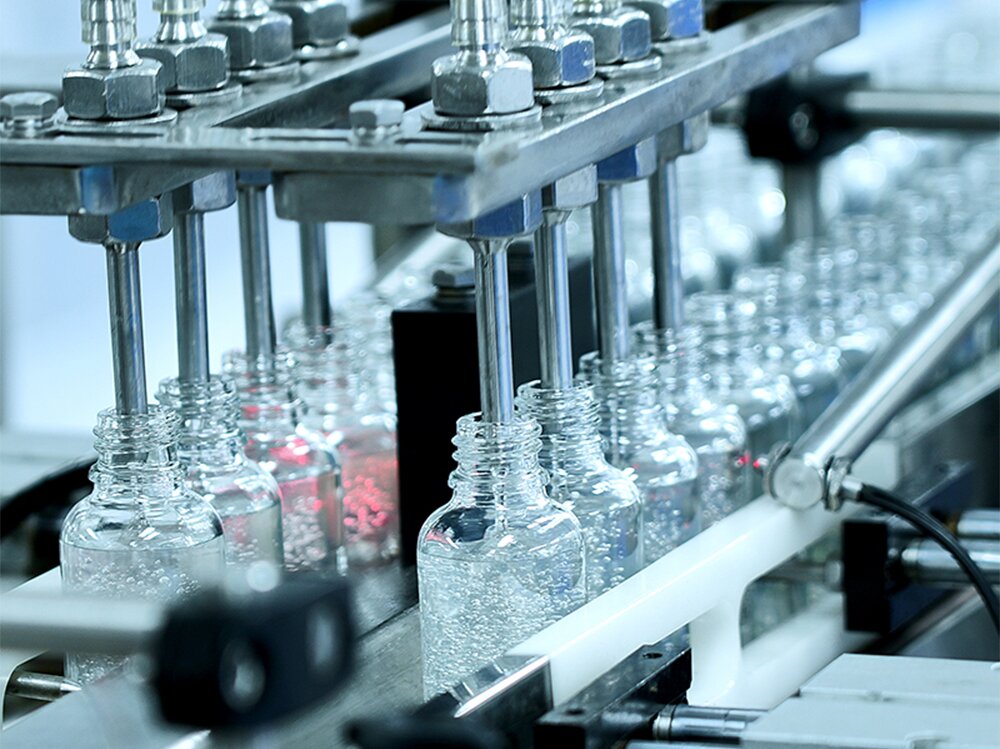
Accelerate your brand’s growth with our advanced facial serum manufacturing solutions—partner with us to develop custom formulations, scalable production, and innovative delivery systems tailored for your business.
The most promising new ingredients include advanced peptide complexes, plant stem cell extracts, fermented botanicals, and synthetically produced growth factors. These ingredients offer enhanced bioavailability, improved stability, and targeted action for specific skin concerns. Biotechnology-derived ingredients are particularly exciting as they provide consistent quality and sustainable sourcing while delivering scientifically proven results.
Modern delivery systems like nanotechnology, liposomal encapsulation, and microencapsulation significantly improve ingredient penetration and stability. These technologies protect active compounds from degradation, enable deeper skin penetration, and provide controlled release mechanisms. This results in more effective products that deliver consistent results while minimizing potential irritation from high-concentration actives.
Sustainability is driving major innovations in facial serum manufacturing, including waterless formulations, biodegradable ingredients, and synthetic biology alternatives to rare natural extracts. Manufacturers are implementing eco-friendly production processes, sustainable sourcing practices, and packaging innovations to reduce environmental impact while meeting consumer demand for clean beauty products that don't compromise on performance.
Personalization is revolutionizing facial serum manufacturing through AI-driven formulation development, on-demand production systems, and customizable ingredient profiles. These technologies enable manufacturers to create products tailored to individual skin types, concerns, and preferences, moving away from one-size-fits-all approaches toward truly personalized skincare solutions that deliver superior results for each consumer.