EN
EN


Disunie Double Essence Serum Series: Unlocking the journey of luxurious skin transformation
2025/04/17
2026/01/09
Face care is usually where a skin care brand makes its first real bet. The formulas are technical, consumers are picky, and mistakes show up quickly. From a factory point of view, most OEM projects succeed or fail long before production starts, based on decisions the brand owner makes early on.
I’ve worked with many South American brands that came to us with a clear market vision but an incomplete production strategy. This guide walks through how OEM face care manufacturing actually works, what brands often overlook, and how to avoid expensive detours.
Every OEM face care project should start with positioning, not ingredients. Are you building a daily hydration line? Targeting oil control in warm climates? Going after brightening or early anti-aging?
In my experience, brands that skip this step end up with formulas that are technically fine but commercially weak. They look like everyone else’s products on the shelf.
South American markets tend to favor practical face care: lightweight textures, fast absorption, and visible results without irritation. That doesn’t mean “cheap.” It means functional. As a manufacturer, we see much better outcomes when the brand defines one clear function per SKU instead of trying to do everything in one product.
Climate affects face care formulas more than most new brands expect. Heavy creams, slow-absorbing oils, or overly occlusive textures often struggle in warmer regions.
Here's what actually worked across many projects we've supported:
I’ve seen this fail when brands insist on copying formulas designed for colder markets without adjustment. The result is usually poor repeat purchase, not because the product is unsafe, but because it simply feels wrong on the skin.
From the factory side, our role is not just to supply ingredients, but to translate performance expectations into a stable, scalable formula that works in real-world use.
OEM formula development is rarely a one-sample process. A typical project includes multiple rounds of sampling, texture adjustment, and stability testing.
Most factories follow a similar structure:
1. Requirement confirmation and positioning
2. Base formula selection or custom development
3. Sample testing and feedback
4. Stability and compatibility checks
5. Final approval before scale-up
In my experience, projects move faster when brands give clear feedback like "absorbs too slowly" or "feels sticky after 10 minutes," instead of vague comments. Clear language saves weeks.
Face care development is a core pillar within the system explained in our complete guide to skin care OEM manufacturing.
Many OEM websites show long product lists. That doesn’t tell you how well the factory can support your brand.
What matters more is:
I’ve seen brands struggle after choosing a factory based only on price, then realizing too late that formula revisions were limited or quality checks were inconsistent. A good OEM partner explains why certain requests increase risk or cost instead of quietly agreeing and hoping it works out.
Once the formula and packaging are confirmed, the production phase begins. This is where process discipline matters.
Bulk manufacturing includes raw material inspection, batch control, in-process testing, filling, labeling, and final inspection. For face care products, consistency matters as much as safety. Consumers notice changes in texture or scent immediately.
Logistics planning should happen before production finishes. Documentation, labeling compliance, and shipping timelines all affect when the product can actually reach the market.
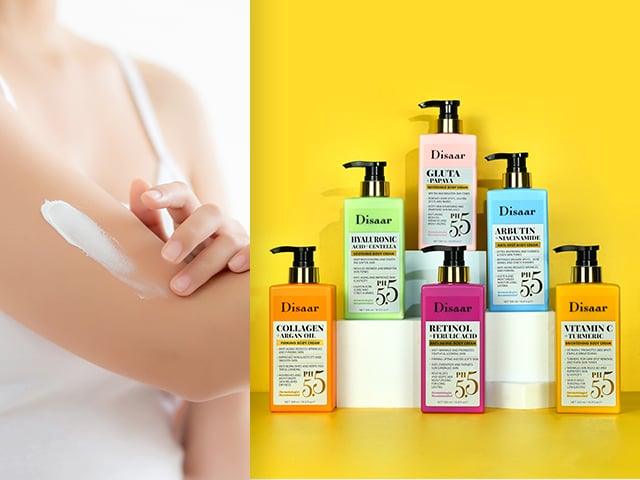
Many brands start with facial products before deciding to expand into body care categories.
OEM cost is not just about formula price. It includes raw materials, packaging components, labor, quality testing, compliance documentation, and logistics preparation.
Here's what actually worked for brands that scaled sustainably: they set target retail prices first, then worked backward with the factory to adjust formula and packaging choices. This avoids building a great product that cannot make money.
I've seen this fail when brands lock in a formula emotionally, then realize later the pricing math doesn’t work. Adjustments at that stage are painful and slow.
Compliance and Market Readiness for Face Care Products
Face care products require proper safety assessments, ingredient documentation, and labeling accuracy. Even when regulations vary across South American markets, the core principles stay the same: safety, traceability, and transparency.
From a factory perspective, supporting compliance is part of the OEM responsibility, but brands should understand what documents are required and how long approvals may take. Early planning prevents last-minute delays.
Packaging is not decoration. It affects cost, logistics, shelf impact, and user experience.
South American consumers respond well to packaging that feels practical and trustworthy. Overcomplicated designs often increase costs without improving sales. Sustainable materials are gaining attention, but they still need to make sense for transport and storage.
In my experience, the best packaging decisions balance brand story with supply chain reality.
Successful OEM face care projects are built on clear positioning, realistic expectations, and open communication. The factory’s job is not just to manufacture, but to help brands avoid mistakes that don't show up until it’s too late.
If you treat OEM as a long-term partnership instead of a one-time transaction, the results are usually very different.