EN
EN



Disunie Double Essence Serum Series: Unlocking the journey of luxurious skin transformation
2025/04/17
2026/01/09
Dark spots and uneven skin tone affect millions of people worldwide, creating a persistent challenge for those seeking radiant, clear complexion. The beauty industry has responded with countless products promising transformative results, yet finding an effective solution remains elusive for many consumers. Among the emerging skincare innovations, Disaar brighten facial cream has gained attention for its unique formulation designed to target hyperpigmentation and promote luminous skin health.
Understanding how skin brightening products work requires knowledge of melanin production and cellular regeneration processes. When skin cells produce excess melanin due to sun exposure, hormonal changes, or inflammation, dark patches form on the surface. Effective brightening creams work by inhibiting melanin synthesis while promoting healthy cell turnover, gradually revealing clearer, more even-toned skin underneath existing pigmentation.
Melanin serves as the skin's natural protection against ultraviolet radiation, but overproduction leads to unwanted darkening and spot formation. The enzyme tyrosinase plays a crucial role in melanin synthesis, converting amino acids into pigment molecules that accumulate in skin cells. When this process becomes irregular or excessive, it results in hyperpigmentation, age spots, melasma, and post-inflammatory darkening that many people find aesthetically concerning.
Modern skincare science has identified specific ingredients that can safely interfere with melanin production without causing irritation or long-term damage. These compounds work at different stages of the pigmentation process, either blocking tyrosinase activity, preventing melanin transfer to surrounding cells, or accelerating the natural exfoliation of pigmented skin layers. Disaar brighten facial cream incorporates several of these scientifically-proven mechanisms to deliver comprehensive brightening results.
Healthy skin constantly renews itself through a process called cellular turnover, where old cells shed and new ones emerge from deeper layers. This natural cycle typically takes 28 days in young adults but slows significantly with age, causing dead cells to accumulate and making dark spots appear more prominent. Effective brightening products accelerate this renewal process, helping remove pigmented cells more quickly while supporting the formation of fresh, unblemished skin.
The key to successful skin renewal lies in gentle yet consistent exfoliation that doesn't cause inflammation or irritation. Harsh treatments can actually worsen pigmentation by triggering inflammatory responses that stimulate additional melanin production. Quality formulations like Disaar brighten facial cream balance active ingredients with soothing compounds to promote cellular turnover without compromising skin barrier function or causing adverse reactions.
Vitamin C stands as one of the most researched and effective ingredients for skin brightening, offering multiple benefits beyond simple pigmentation control. As a powerful antioxidant, it neutralizes free radicals that contribute to skin damage and accelerated aging. More importantly for brightening purposes, vitamin C inhibits tyrosinase activity, directly reducing melanin production at the cellular level while promoting collagen synthesis for improved skin texture and firmness.
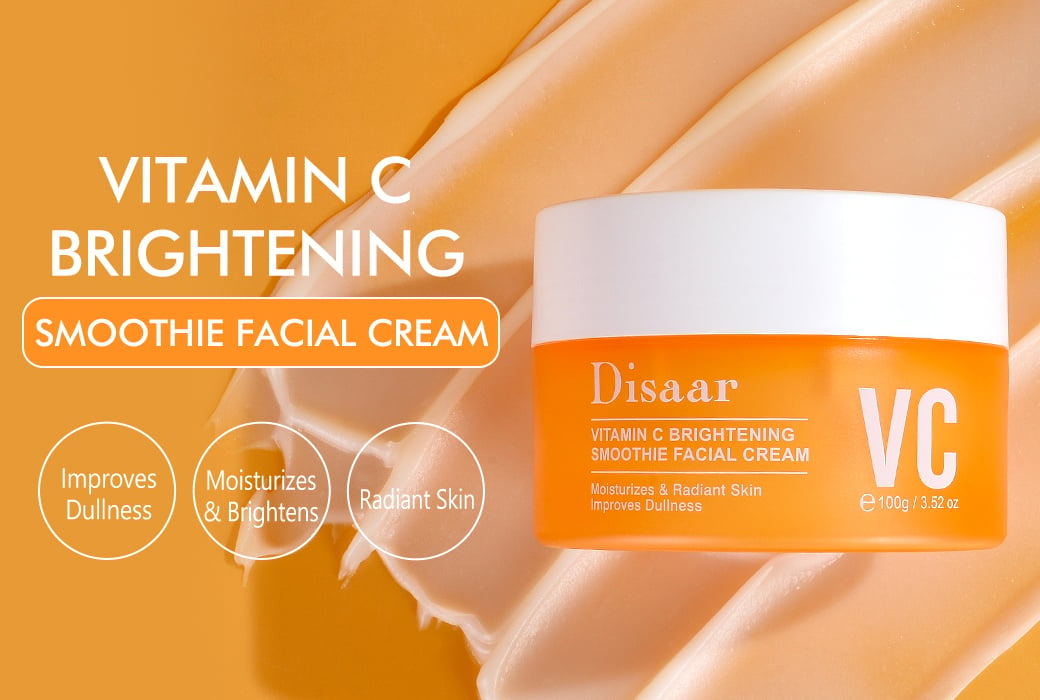
The stability and bioavailability of vitamin C in skincare formulations present significant challenges that many products fail to address adequately. L-ascorbic acid, the most potent form, degrades quickly when exposed to light, air, or high pH levels, rendering many products ineffective before consumers even apply them. Advanced formulations overcome these limitations through specialized delivery systems, protective packaging, and stabilized derivatives that maintain potency throughout the product's shelf life.
Plant-based brightening agents offer gentle yet effective alternatives to synthetic compounds, providing multiple benefits while minimizing risk of irritation or sensitivity. Kojic acid from fermented rice, arbutin from bearberry plants, and licorice root extract all demonstrate proven ability to inhibit melanin production through different biochemical pathways. These natural ingredients often work synergistically when combined, creating more comprehensive brightening effects than individual compounds alone.
Beyond their brightening properties, botanical extracts frequently provide additional skincare benefits including anti-inflammatory effects, moisture retention, and antioxidant protection. This multifunctional approach supports overall skin health while addressing pigmentation concerns, creating a more holistic treatment strategy. The Disaar brighten facial cream leverages these natural brightening compounds alongside advanced skincare technology for optimal results.
Achieving optimal results with any brightening cream requires consistent application following proven protocols that maximize ingredient absorption and efficacy. The timing, frequency, and method of application significantly impact how well active ingredients penetrate skin layers and perform their intended functions. Most experts recommend applying brightening products to clean, slightly damp skin during evening routines when cellular repair processes are most active and UV exposure risks are eliminated.
The amount of product used affects both results and potential for irritation, with many people applying either too much or too little for optimal outcomes. A pea-sized amount typically covers the entire face when properly distributed, allowing active ingredients to work without overwhelming the skin or causing product waste. Gentle upward motions during application promote better circulation and absorption while avoiding harsh rubbing that could trigger inflammation or sensitivity reactions.
Effective skincare routines involve multiple products that must be applied in specific sequences to prevent ingredient conflicts and ensure optimal absorption. Brightening creams typically work best when applied after cleansing and toning but before heavier moisturizers or occlusive treatments. Understanding pH requirements, ingredient compatibility, and absorption rates helps users create routines that enhance rather than diminish the effectiveness of their Disaar brighten facial cream.
Certain ingredient combinations can cause irritation or reduce efficacy, making it essential to understand which products work well together and which should be used separately. For example, vitamin C products may become less stable when combined with certain acids or retinoids, while some natural extracts can enhance the absorption and effectiveness of other active ingredients. Professional guidance or careful research helps users optimize their routines for maximum brightening benefits.

Skin brightening requires patience and realistic expectations, as cellular processes that create and eliminate pigmentation occur gradually over extended periods. Most users begin noticing subtle improvements in skin texture and radiance within two to four weeks of consistent use, while more significant changes in dark spot appearance typically require eight to twelve weeks or longer. Understanding this timeline helps prevent disappointment and encourages continued use during the initial period when changes may be minimal.
Individual factors significantly influence how quickly and dramatically users respond to brightening treatments, including age, skin type, severity of pigmentation, and overall skin health. Younger individuals with recent pigmentation often see faster improvements than those with deep, long-established dark spots. Genetic factors, hormonal status, and lifestyle choices also impact results, making it important to maintain realistic expectations while consistently following recommended usage protocols with Disaar brighten facial cream.
Tracking skin changes throughout the brightening process helps users understand whether their current routine is working effectively or needs modification. Taking progress photos in consistent lighting conditions provides objective documentation that reveals gradual improvements that might not be immediately obvious during daily observation. Many users find it helpful to photograph their skin weekly, comparing images over monthly intervals to assess meaningful changes.
Some users may experience initial purging or minor irritation as skin adjusts to new active ingredients, particularly those that accelerate cellular turnover. Understanding the difference between normal adjustment reactions and true sensitivity helps users make informed decisions about continuing or modifying their routine. Gradual introduction of brightening products, starting with every other day application, allows skin to acclimate while minimizing potential adverse reactions.
While brightening creams are generally safe for most users, individual skin sensitivities can cause unexpected reactions ranging from mild irritation to more serious allergic responses. Patch testing new products on small, inconspicuous areas before full facial application helps identify potential problems before they affect larger skin areas. This simple precaution can prevent unnecessary discomfort and potential damage from ingredients that don't agree with specific skin types.
Common sensitivity indicators include redness, burning, stinging, excessive dryness, or unusual breakouts that develop shortly after beginning product use. While some mild tingling or temporary redness may be normal during the initial adjustment period, persistent or severe reactions warrant discontinuation and possible consultation with skincare professionals. Users with known allergies or very sensitive skin should review ingredient lists carefully and consider professional guidance before starting new brightening regimens with products like Disaar brighten facial cream.

Brightening treatments can increase skin's sensitivity to ultraviolet radiation, making comprehensive sun protection absolutely essential during and after treatment periods. Many brightening ingredients, particularly those that promote cellular turnover, leave newly revealed skin layers more vulnerable to UV damage that can quickly reverse progress and potentially worsen existing pigmentation. Daily application of broad-spectrum sunscreen with at least SPF 30 becomes non-negotiable when using any brightening products.
Understanding the relationship between brightening treatments and sun exposure helps users make informed decisions about timing their skincare routines and outdoor activities. Some experts recommend beginning brightening regimens during seasons with lower UV exposure or when outdoor activities are limited. Regardless of timing, consistent sun protection remains the most critical factor in maintaining and enhancing the results achieved through dedicated use of quality brightening formulations like Disaar brighten facial cream.
Livepro Beauty provides high-quality skincare and OEM/ODM services worldwide. For Disaar brighten facial cream and other products, contact Livepro to learn more.
Most users begin noticing subtle improvements in skin texture and overall radiance within 2-4 weeks of consistent daily use. However, significant reduction in dark spots and hyperpigmentation typically requires 8-12 weeks or longer, depending on individual factors such as age, skin type, and severity of existing pigmentation. Patience and consistency are key to achieving optimal results with any brightening cream regimen.
Yes, Disaar brighten facial cream can be safely incorporated into most skincare routines when applied in the correct sequence. Apply the cream after cleansing and toning but before heavier moisturizers or occlusive treatments. However, avoid combining with other strong active ingredients like retinoids or acids initially, and always patch test when introducing new products to prevent potential reactions or decreased effectiveness.
Absolutely. Daily broad-spectrum sunscreen with at least SPF 30 is essential when using any brightening product, as these formulations can increase skin's sensitivity to UV radiation. Without proper sun protection, UV exposure can quickly reverse brightening progress and potentially worsen existing pigmentation. Consistent sun protection is arguably the most important factor in maintaining and enhancing results from brightening treatments.
If you experience persistent redness, burning, stinging, or unusual breakouts, discontinue use immediately and allow your skin to recover. Some mild tingling during initial use may be normal, but severe or continuing reactions indicate sensitivity. Consider patch testing on a small area first, and if problems persist, consult with a dermatologist or skincare professional before resuming use of any brightening products.