EN
EN



Disunie Double Essence Serum Series: Unlocking the journey of luxurious skin transformation
2025/04/17
2026/08/01
Oiliness, clogged pores, blackheads and recurring blemishes are common skincare concerns across many consumer markets. Demand is especially strong in hot and humid regions, where consumers often prefer lightweight products that help control excess oil without leaving the skin dry or uncomfortable.
For importers, wholesalers and beauty distributors, this creates an opportunity to build a focused oil-control and blemish-care range.
Buyers need to consider how each product fits into the consumer routine and whether every SKU has a clear sales role when looking for oil-control or blemish-care products.
A practical range can be built around three care steps:
This structure makes the range easier to explain, combine and sell.
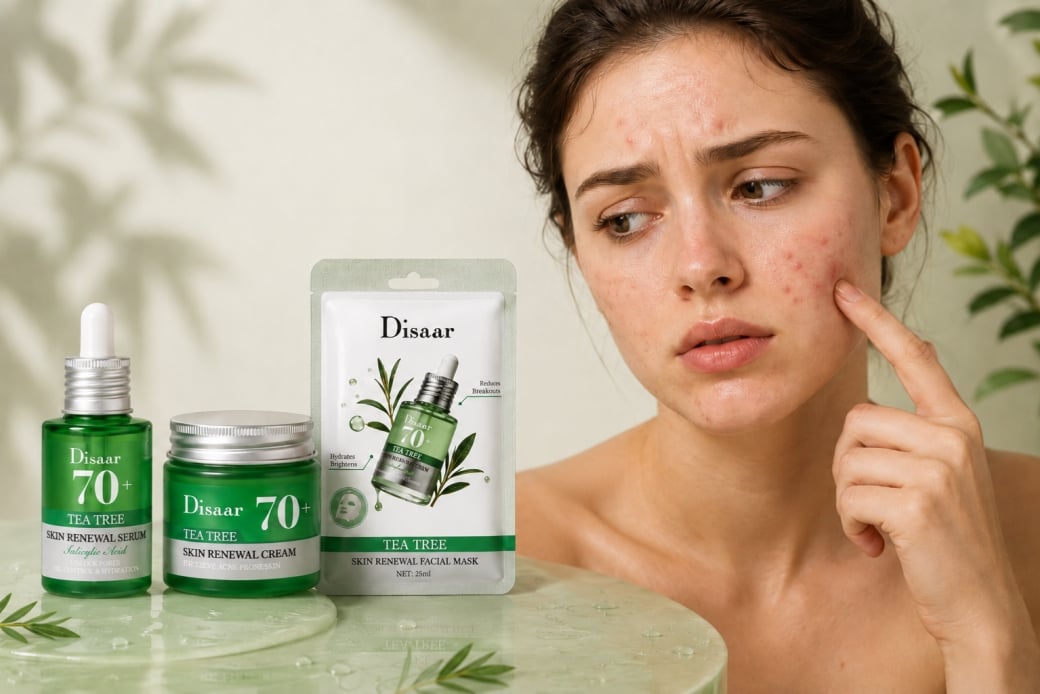
Consumers with oily and blemish-prone skin rarely have only one concern.
Excess sebum may appear together with clogged pores, blackheads, rough skin texture and occasional blemishes. At the same time, some oily skin can still feel dehydrated or tight.
This has changed how consumers choose products. Many are no longer looking for a single product that simply dries out blemishes. They want routines that combine:
Salicylic acid fits this category because it is widely recognized in products for oily, congested and blemish-prone skin. It can also be used across different product formats, making it suitable for both daily routines and focused care.
For buyers, the opportunity is not to carry as many salicylic acid products as possible. The goal is to build a range in which each product solves a different part of the consumer need.
A useful salicylic acid skincare range should not repeat the same message across every SKU.
Instead, each format should support a different part of the routine.
| Care role | Product formats | Main purpose |
| Daily full-face care | Serum and cream | Oil control, pore care, hydration and oil-water balance |
| Periodic care | Sheet mask | Additional hydration, soothing and pore-focused care |
| Targeted care | Spot gel | Focused application on individual blemishes |
This gives buyers a clearer structure than simply grouping several salicylic acid products together.
The serum and cream form the main daily-care combination.
A tea tree and salicylic acid serum can act as the core functional product. It supports oil control, clogged-pore care and balanced sebum production across the full face.
The cream serves a different purpose. It adds lightweight hydration and helps maintain oil-water balance after serum use.
This distinction matters because oily skin still needs moisture. A range that only focuses on removing oil may feel harsh or incomplete.
Together, the two products create a simple routine:
Oil and pore care followed by lightweight hydration.
This is more useful than offering several serums or treatments with nearly identical claims.
The sheet mask works as a supplementary product rather than the main product in the range.
It can add:
From a sales perspective, the mask also gives buyers more flexibility.
It can be sold as an individual box, added to a complete routine, used in promotional bundles or introduced as a lower-commitment trial product.
This makes the mask valuable without forcing it to repeat the role of the serum or cream.
The spot gel should have a clearly separate position from the full-face serum.
The serum supports daily care across the face. The gel is applied only to individual blemishes or small areas that need focused attention.
This creates two different purchase reasons:
The distinction is especially important for online product pages and retail displays. When both products are described with the same claims, consumers may not understand why they need both.
The supporting ingredients can strengthen the role of each format.
Tea tree extract supports the overall oil-control and blemish-care direction. Calendula gives the serum a more balanced and soothing position. Witch hazel supports the cream’s oil-balance message, while Centella asiatica adds a soothing element to the mask and spot gel. Aloe vera also helps position the spot gel as a lightweight product for focused use.
These ingredients should support the product structure rather than become long, repeated ingredient stories.
The available range includes:
Together, they cover daily, periodic and targeted care without requiring a large number of overlapping SKUs.
Buyers do not need to launch all four products at the same time.
The right starting point depends on market size, sales channel and inventory plan.
A simple starter range can include:
The serum handles full-face daily care, while the gel covers targeted application.
This combination is easy for retailers and consumers to understand. It is also suitable for initial market testing, online stores and buyers that want to control early inventory.
A more complete daily routine can include:
This combination covers oil control, pore care, hydration and targeted care.
It is often the most practical option for buyers who want to offer a structured routine without carrying too many products.
The routine is simple:
Serum → Cream → Spot Gel on targeted areas
The complete range includes:
This adds periodic care to the daily and targeted routine.
It also creates more retail options, including individual products, complete sets, promotional bundles and trial combinations.
For importers and distributors building a dedicated oil-control or blemish-care category, the four-product structure provides a complete range without unnecessary SKU duplication.
Different channels may require different product combinations.
These buyers often need products that can be distributed across several types of retail customers.
A practical starting selection is:
These products have clear functions and can be sold individually. The cream can be added when downstream retailers need a complete daily routine.
In hot and humid markets, communication should focus on lightweight texture, oil control, pore care, hydration and oil-water balance.
These channels are suitable for a three-product routine or the complete range.
Retail displays should make the product roles easy to understand:
Clear product roles make it easier for sales staff to recommend combinations instead of relying only on single-product sales.
The serum and spot gel are strong online hero products because their use cases are easy to explain.
Useful online combinations include:
Product pages should clearly explain:
Online communication should avoid medical or treatment claims. Clear terms such as oil control, pore care, blemish-prone skin care and targeted spot care are more suitable.
A product range becomes easier to sell when customers can quickly understand the purpose of every item.
Buyers should look for several qualities.
First, the product roles should be clearly separated. The serum should not compete with the spot gel, and the mask should not repeat the exact position of the daily-care products.
Second, the range should balance oil control with hydration. This creates a more complete routine and avoids an overly harsh image.
Third, the formats should fit the target market and channel. Lightweight products are important in hot climates, while compact and easy-to-explain formats are useful for online and social commerce.
The range should also support both individual and set sales. Buyers may want to sell one hero SKU, a two-product starter combination or a complete routine.
Before ordering, buyers should confirm:
Starting with two or three core products is often more practical than launching many similar SKUs. Buyers can then expand based on sales performance and customer feedback.
A strong salicylic acid skincare range does not need many products. It needs products that perform different jobs.
Buyers can start with the serum and spot gel, add the cream to create a daily routine, and introduce the mask when they are ready to offer a complete series.
This step-by-step structure reduces product overlap, controls initial inventory and makes the range easier for retailers and consumers to understand.
Ready-stock options are suitable for importers, wholesalers and distributors that want to enter the market quickly or test demand with a limited number of SKUs.
Buyers can select individual products, starter combinations or the complete range according to their channel and customer base.
Private label development is suitable for brands that want to create their own oil-control and blemish-care range.
The product mix, packaging, labels and series positioning can be adjusted according to the target market and launch plan.
Whether choosing ready stock or private label, the strongest range is built around clear product roles, clear application methods and clear reasons to buy.