EN
EN



Disunie Double Essence Serum Series: Mandray ny fandoavana maromaro ho an'ny alina
2025/04/17
2026/02/03
Ny fanamarihana momba ny fampakarana dia zava-dehibe mba hananana fahombiazana ny vokatra. Ny karazana fitoerana izay safidinao dia mampihenena ny fahitana azy amin’ny rindrina, ny fahamarinan’ny vokatra, ny sarany, ny fikarakarana, ary ny fihenjanana amin’ny olona isan’izay ampiharina azy. Ho an’ny mpampiasa marika ankapobeny mpanamboatra vokatra ho an’ny hafa (OEM), ny fampakarana tsy fahazo fahazarana fotsiny. Io no fanamarihana ara-bizness izay manana ifandraisany amin’ny hoavy.
Ity zavatra ity dia mamakivaky ny karazana fampakarana ho an’ny marika ankapobeny momba ny fikarakarana ny hoditra ara-pitaterana. Tadiavo antsika hanampy anao hanafinana fampakarana mifitaka amin’ny vokatrao, ny toeranao ao amin’ny merkato, ary ny fomba ampiharina ny vokatra momba ny fikarakarana ny hoditra ao amin’ny Amerika Atsimo isan’ny mpampiasa.
Ny fampakarana dia manana asa telo araka an’ilay fotoana. Mamarina ny vokatra, manambara ny marika, ary mamorona ny fahitana amin’ny mpampiasa. Raha tsy mahatoky ny iray amin’ireto, dia mampihenena ny vokatra, na dia tsara aza ny vokatra.
Amin’ny fahitanao, maro ny mpampanga izay mampitombo ny fokusy amin’ny fahita ny famantarana amin’ny sary ary tsy manao dikany be amin’ny fahitan’ny asa marina. Nisy ireo karazana vialana mahafinaritra noho ny fahatakarana izay voatondro fa tsy ampiharina, tsy hygiénique na mividy raha avy eo amin’ny fandefasana.
Ho an’ny mpampanga izay mivarina ao amin’ny toerana mafana sy mivalivaky, ny fahamafinana amin’ny famantarana dia manana lanja be kokoa. Ny hafanana, ny rivotra ary ny fampiasana matetika dia mety hanamorana haingana ny safidy tsy mahafinaritra amin’ny famantarana.

Ny bokalana dia ampiharina matetika ho an’ny zavatra fanafihana, ny rivotra, ny loto ary ny serum rano. Ary mahafinaritra matetika amin’ny pump, ny kapa na ny spray.
Mety indrindra ho an’:
Zavatra hanamarina: Ny bokalana mavitrika dia mahafinaritra fa mety hanamorana ny zavatra fanafihana amin’ny rivotra. Raha misy zavatra mampiavaka mahafinaritra ao amin’ny zavatra fanafihana, dia tsara kokoa ny ampiharina ny bokalana tsy mavitrika na ny bokalana misy fihenjanana amin’ny UV.
Ny tube dia mahafinaritra ho an’ny crème, ny gel, ny sunscreen ary ny mask. Eo amin’ny fampiasana, eo amin’ny fahy tsy hygiénique ary eo amin’ny fahazoan’ny fandoavana.
Mety indrindra ho an’:
Amin’ny fanazavana natao manerana maro ny marika, nahita fahamantarana fa tsara ny fisafidianana ny vato mafana be kokoa. Ny vato mangatsiaka dia mampihenana ny sarany fa matetika mihena eo amin’ny hafanana. Mampikorontana ny fahitana ny olona momba ny kalitate.
Ny kabary dia matetika mifandray amin’ny kremy sy ny masky mahafinaritra. Mahazarà ny fahafaha-miasa amin’ny fomulara mafana.
Mety indrindra ho an’:
Nahita fahafahana izay tsy nampiasaina rehefa namboarina ireo marika ny kabary ho an’ny fomulara misy zavatra mampiavaka izay mampidi-doza amin’ny rivotra. Raha tsy misy fanafihana mahafinaritra na kapoaka anatiny, dia mety hita ny fihenjanana.
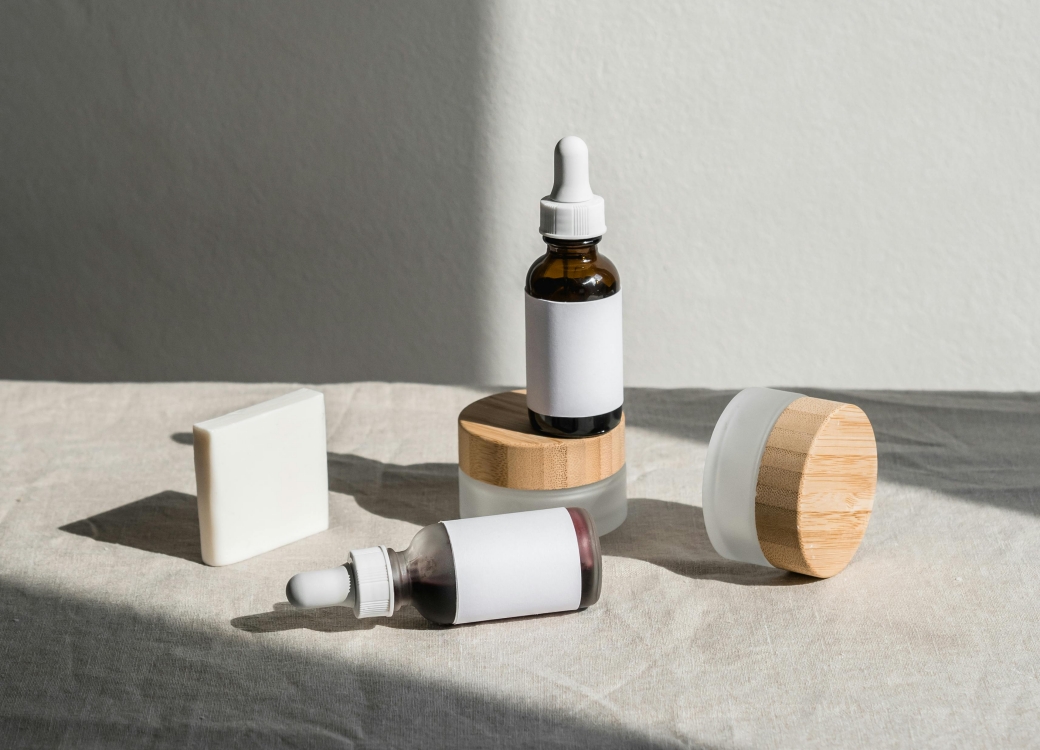
Matetika ampiharina ny borosy fanafihana ho an’ny serum sy ny sira ho an’ny hoditra. Mampahafantarina ny fahamafinaretana sy ny fitandrehana.
Mety indrindra ho an’:
Miovaova be ny kalitaon'ny "dropper". Ny "dropper" tsy mahomby dia mahasorena ny mpampiasa ary mandany ny vokatra, izay manimba haingana ny fahatokisan'ny marika.
Ny pompy tsy misy rivotra dia mampitondra ny vondrona avy amin’ny fikarakarana amin’ny rivotra ary manome fizaràna marina.
Mety indrindra ho an’:
Ny sarany dia avo kokoa, fa ho an’izay vondrona manokana, ny fiarovana dia azo antoka.
Ny plastika dia mbola ny zavatra matetika indrindra noho ny fahampiany sy ny fahazoan’ny fanamafisana ny vidiny.
| Avantages | Inconvenients |
|
|
Avantajena:
Manakelyna:
Amin’ny merkaterin’ny Amerika Atsimo, ny plastika maharitra sy mahafinaritra ny hafanana dia zava-dehibe. Ny plastika tsy mahamay dia matetika mihenjanina na miboridana amin’ny fandoahana.
Ny viny dia maneho ny kalitate sy ny fihenjanana.
Avantajena:
Manakelyna:
Ny viny no afaka ampiharina tsara indrindra amin’ny serum sy ny holatra izay voavenda ao amin’ny toerana iraisam-pirenena mahafinaritra.
Ny pakanga metalika dia mamakivaky ny rivotra ary maneho fahafinaretana.
Avantajena:
Manakelyna:
Ny fomba ahafahana mahazo ny zavatra avy amin’ny pakanga no manambara ny fampiasana androany.
Amin’ny olona maro no ampiharina ny zava-pisotro ho an’ny hoditra, ny famantarana mifamatia be loatra miaraka amin’ny rafitra fikarakarana dia azo ampiharina kokoa. Manakana ny fividianana amin’ny fandefasana ary manambara ny fampiasana azy ireo amin’ny trano izay ampiharina maro.
Ny famantarana dia tokony handrakitra ny kemia amin’ny zava-pisotro.
Fanontaniana lehibe:
Nahita izany nandritra ny fahafatesan’izy ireo marika whena noho ny fampiasana ny rafitra famantarana miverina amin’ny fomula hafa tsy voatanisa ny fifanarahany. Ny zavatra mahazo ampiharina amin’ny lotion dia mety tsy mahazo ampiharina amin’ny serum misy vitamin.
Ny famantarana dia mampitombo ny vola iasanao be loatra noho ny heverin’ny mpamorona maro.
Amin’ny marika vaovao, ny manao famantarana mahazoa sy ny labe voatendry no matanjaka indrindra ho an’ny voalohany. Ny famantarana voatendry dia afaka avy eo rehefa maharitra ny fividianana.
Ny fihenjanana amin’ny famantarana dia matetika mamono ny rafitra fanaovana manontolo. Ampy andro ampiharina:
Amin’ny fahitany, ny famantarana mialoha ny ohatra amin’ny fampakarana dia manamora ny fihenjanana amin’ny faran’izay haingana izay mahavariana ny kalitate ny zavatra.
Ny mpividy dia mihamafinaritra be kokoa momba ny ifandraisany amin’ny tontolo iainana, fa ny asa no voalohany indrindra.
Ny dingana azo atao dia toy izao:
Ity no nanao izay tsy nisy fahadisoana: ny marika izay nambarina tsara ny fisafidianana momba ny fahazoan’ny tontolo iainana amin’ny varavarana, tsy nampitombo ny hevitra.
Tokony misy toerana ampiharina ao amin’ny varavarana ho an’izao:
Ny rindrina maharitra dia matetika mamorona olana amin’ny fiarovana ny lalàna. Ampidiro ny famantarana eo amin’ny fanamboarana voalohany.
Ao amin’ny Amerika Atsimo, ny fomba fanao amin’ny fikarakarana ny hoditra dia matetika mampitombo ny fahamantarana ny fahamantarana, ny fahalemena sy ny sanda. Ny varavarana izay manana endrika mahafinaritra, azo ampiharina haingana ary mahafonosina dia manana fahombiazana be kokoa noho ny rindrina maharitra be loatra.
Nanamarika ny fahombiazana ny marika izay nandray ny fampiharana androany, ny efitra maina mafana ary ny fihenjanana matetika.
Ny safidy amin’ny fomba famantarana dia zavatra mahamora ho an’ny marika mampiasa fanafihana. Ny safidy tsara dia mifanaka-baovao ny fomulao, manampy ny kalitao, ary manome fahafinaretana amin’ny fampiasana androany ho an’ny mpampiasa.
Amin’ny tranga maro, ny famantarana fotoana sy fikarakarana eo amin’ny safidy amin’ny fomba famantarana dia manampy hanakanao ny fanavaozana mahatahotra amin’ny faran’izay. Ampy ny fitsipano mialoha ny fahamantarana, avy eo ny endrika, ary farany ny fampiharana. Io balansy io no mamorona vondrona izay mahazo antoka sy miverina ampiharina ny olona.
1. Tokony amoron-tsirak’izao ny marika vaovao izay manomboka amin’ny fomba famantarana voatendry?
Maro ny marika izay manana fahafaha-miarovana be kokoa raha manomboka amin’ny fomba famantarana mahazatra.
2. Tsy mety ve ny karazana fako ho an’ny fanafihana?
Tsy foana. Misy ny fako izay mahafinaritra ho an’ny fomula mafana sy mahafinaritra raha ampiharina tsara.
3. Tsy ve ny fomba famantarana maharitra dia sarany be kokoa?
Voalohany eny, fa ny sarany dia mihenina araka ny fampiharana ny safidy.
4. Aiza no ny fomba famantarana tsara indrindra ho an’ny toerana mafana?
Ny zavatra mavesatra, mahafinaritra ary misy fihenjanana mahafinaritra no mahafinaritra indrindra.
5. Amin’ny ora inona no tokony ho farany ny famaranana ny famantarana?
Aloha ny fanadihadiana farany momba ny fampiharana mba tsy hita ny olana momba ny fifandraisan-doha.
6. Mety hahafahan’ny famantarana ny halavany amin’ny fotoana?
Eny. Ny famantarana tsy mahafinaritra dia mety hanamorina be ny halavany amin’ny fotoana.