EN
EN

Dòng Tinh Chất Đôi Disunie Double Essence Serum: Khởi Đầu Hành Trình Biến Đổi Da Sang Trọng
2025/04/17

2026/02/27
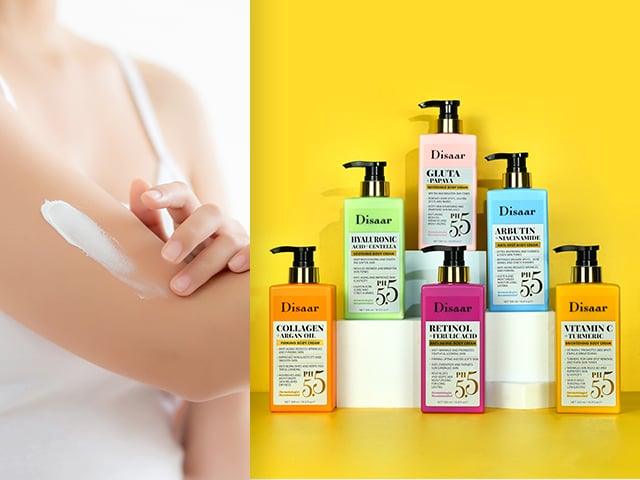
Sản phẩm chăm sóc cơ thể trông có vẻ đơn giản trên kệ hàng. Nhưng đằng sau mỗi chai lọ là một chuỗi dài các quyết định, chẳng hạn như độ mượt, bao bì, độ ổn định, mùi hương và độ chính xác trong sản xuất.
Kết cấu cảm giác hoàn hảo trong mẫu thử, nhưng sau đó trở nên dính sau khi vận chuyển.
Hướng dẫn này dành riêng cho chủ sở hữu thương hiệu chăm sóc da muốn phát triển các sản phẩm kem dưỡng cơ thể, kem, bơ và dầu dưỡng cơ thể theo hình thức OEM. Lấy khu vực Nam Mỹ làm ví dụ: khí hậu ấm hơn, độ ẩm cao hơn và tuyến đường vận chuyển dài hơn có thể làm bộc lộ những điểm yếu của sản phẩm nhanh hơn mức bạn dự kiến.
Trước khi bạn yêu cầu báo giá, hãy xác định rõ định dạng mà khách hàng thực tế muốn sử dụng hàng ngày. Người tiêu dùng không chỉ mua sản phẩm chăm sóc cơ thể vì lợi ích mang lại. Họ mua vì cảm giác và sự tiện lợi.
Dưới đây là bảng tóm tắt nhanh các định dạng phổ biến nhất:
| Định dạng | Phù hợp nhất cho | Những điều cần cân nhắc |
| Lotion | Sử dụng hàng ngày, khí hậu ấm, thẩm thấu nhanh | Phù hợp với bơm, nhẹ, dễ mở rộng quy mô |
| Kem | Da khô, sử dụng ban đêm, mùa mát hơn | Kết cấu giàu dưỡng chất hơn, phù hợp đựng trong lọ hoặc chai bơm |
| Dầu dưỡng thể | Massage, làm sáng da, sản phẩm lấy hương liệu làm trọng tâm | Giá trị cảm quan cao, đòi hỏi bao bì phải tương thích |
Quá trình phát triển sản phẩm chăm sóc cơ thể sẽ diễn ra nhanh chóng nếu hồ sơ yêu cầu của bạn cụ thể. Nếu hồ sơ mơ hồ, bạn có thể mất hàng tuần cho khâu lấy mẫu.
Một cách đơn giản để tránh chậm trễ là sử dụng bản tóm tắt có cấu trúc. Nếu bạn muốn một danh sách kiểm tra tổng quát áp dụng cho tất cả các danh mục sản phẩm chăm sóc da, hãy xem những điều mà các thương hiệu chăm sóc da cần chuẩn bị trước khi sản xuất theo hình thức OEM và sử dụng nó làm cơ sở tham chiếu của bạn.
Sử dụng danh sách kiểm tra này để xây dựng bản tóm tắt rõ ràng trước khi liên hệ với bất kỳ nhà sản xuất OEM nào:
Đây là những điều thực sự hiệu quả với nhiều người mua: bao gồm một sản phẩm tham khảo mà bạn thích và liệt kê ba điểm nổi bật về lý do bạn thích sản phẩm đó (độ mịn, thời gian thẩm thấu, độ mạnh của mùi hương). Cách này dễ hơn nhiều cho phòng thí nghiệm trong việc sao chép sản phẩm so với yêu cầu tạo ra phiên bản cao cấp.
Bạn không cần phải là một nhà hóa học, nhưng bạn cần hiểu được những yếu tố nào gây ra rủi ro.
Kem dưỡng da & kem làm mềm
Đây là các hệ nhũ tương. Chúng phụ thuộc vào sự cân bằng ổn định giữa nước, dầu, chất nhũ hóa, chất làm đặc và các thành phần bổ sung ở giai đoạn làm nguội. Cùng một công thức có thể biểu hiện khác nhau tùy theo nhiệt độ sản xuất, tốc độ khuấy trộn và chế độ làm nguội. Đó là lý do vì sao việc sử dụng cùng nguyên liệu không luôn đảm bảo kết quả giống nhau.
Dầu dưỡng thể
Dầu không tách lớp như các hệ nhũ tương, nhưng lại gặp những vấn đề khác:
Nếu bạn chưa có ý tưởng nào cho các công thức, bạn có thể tham khảo hoặc sử dụng trực tiếp các công thức của chúng tôi. Livepro Beauty sở hữu hơn 6.000 công thức đổi mới dành cho khách hàng toàn cầu của mình.
Sản phẩm chăm sóc cơ thể thành công hay thất bại đều phụ thuộc vào cảm giác khi sử dụng. Nếu bản yêu cầu của bạn không mô tả rõ các tiêu chí cảm quan mong muốn, nhà sản xuất theo hợp đồng (OEM) sẽ mặc định lựa chọn những gì họ cho là phù hợp — điều này có thể không phù hợp với thị trường mục tiêu của bạn.
Danh sách kiểm tra cảm giác thân thiện với người mua
Hãy tự hỏi bản thân:
Ví dụ về các thông số kỹ thuật cụ thể mà nhà sản xuất theo hợp đồng (OEM) có thể triển khai
Bao bì chính là nơi các sản phẩm chăm sóc cơ thể âm thầm gặp sự cố. Độ nhớt, loại đầu bơm, độ kín của nắp và áp lực trong quá trình vận chuyển đều có ảnh hưởng quan trọng.
Nếu bạn đang lựa chọn định dạng bao bì, hướng dẫn về các lựa chọn bao bì của chúng tôi sẽ giải thích rõ loại hũ, tuýp, đầu bơm và chai không khí (airless) phù hợp nhất với mục đích nào, cũng như những điểm yếu tiềm ẩn của từng loại.
| Định dạng | Phù hợp nhất cho | Lưu ý |
| Mà đáng tin cậy và hoạt động hiệu quả, giúp người lái xe giữ cho xe ở tình trạng tốt. | Sữa dưỡng thể, kem trung bình | Có thể gặp khó khăn khi chứa công thức đặc |
| Ống | Du lịch, chiết rót kiểm soát | Có thể không phù hợp với độ nhớt rất cao |
| Hũ | Bơ, kem dưỡng giàu dưỡng chất | Lo ngại về vệ sinh và tiếp xúc với không khí |
| Ống nhỏ giọt / Vòi rót | Dầu | Nguy cơ rò rỉ và hấp thụ mùi |
Tính tương thích của bao bì đối với dầu
Nếu sản phẩm dầu của bạn chứa lượng hương liệu cao hoặc tinh dầu, hãy hỏi nhà sản xuất gốc (OEM) về các kiểm tra tương thích mà họ thực hiện. Một số loại nhựa có thể trở nên mềm hơn, biến dạng hoặc hấp thụ mùi theo thời gian. Bao bì tối màu hoặc có khả năng bảo vệ khỏi tia UV có thể giúp giảm quá trình oxy hóa và bay mùi, nhưng phải phù hợp với định vị thương hiệu và mục tiêu chi phí của bạn.
Đối với các tuyến vận chuyển đến Nam Mỹ trong điều kiện lưu trữ ấm, việc ngăn ngừa rò rỉ và niêm phong nắp cần được quan tâm nhiều hơn mức đa số các thương hiệu hiện dành cho chúng.
Đa số các thương hiệu đều thực hiện một số kiểm tra ổn định. Tuy nhiên, câu hỏi lớn hơn là: Bạn sẽ có bằng chứng nào để khẳng định rằng lô sản xuất hàng loạt hoàn toàn giống với mẫu đã được phê duyệt?
Yêu cầu gói bằng chứng kiểm soát chất lượng (QC) này trước khi phê duyệt lô hàng số lượng lớn:
Gói tài liệu này bảo vệ đơn hàng số lượng lớn đầu tiên của bạn hiệu quả hơn bất kỳ cam kết thương hiệu nào, dù có bao nhiêu đi nữa.
Các sản phẩm chăm sóc cơ thể có thể mở rộng quy mô nhanh hơn một số danh mục chăm sóc da mặt vì người tiêu dùng mua với dung tích lớn hơn và thường xuyên mua lại, nhưng bạn vẫn có thể gặp phải những vướng mắc tương tự tại các khâu sau:
Nếu bạn đang cố gắng lập kế hoạch ngược từ cửa sổ ra mắt sản phẩm, thì lộ trình xây dựng công thức của nhà sản xuất thiết bị gốc (OEM) của chúng tôi sẽ giải thích nơi thời gian thường được sử dụng và cách tránh những chậm trễ có thể phòng ngừa được.
Đây là những gì thực sự hiệu quả đối với các đơn hàng đầu tiên: bắt đầu với một sản phẩm kem dưỡng da chủ lực và một mã SKU hỗ trợ (kem giàu dưỡng chất hơn hoặc dầu dưỡng toàn thân), sử dụng bao bì sẵn có, xác định sớm hướng hương liệu và mở rộng các biến thể sau này.
Một dòng sản phẩm chăm sóc cơ thể không cần tới mười mã SKU để trông đầy đủ. Một danh mục sản phẩm gọn gàng sẽ dễ sản xuất hơn, dễ nhập hàng lại hơn và dễ tiếp thị hơn.
Bộ khởi động gồm 3 mã SKU
1. Kem dưỡng da toàn thân hàng ngày (thẩm thấu nhanh, phù hợp với đại đa số người tiêu dùng)
2. Kem giàu dưỡng chất hơn hoặc kem đặc (giải quyết tình trạng da khô, dùng vào ban đêm)
3. Dầu dưỡng toàn thân (tạo độ sáng da/mát-xa, nổi bật về hương liệu, giá trị cảm nhận cao)
Đối với thương mại điện tử, hãy chọn bao bì có khả năng chịu đựng tốt trong quá trình vận chuyển và giảm thiểu nguy cơ rò rỉ. Đối với kênh bán lẻ hoặc phân phối, độ bền của bao bì đóng thùng và thùng carton quan trọng hơn mức mà các nhà sáng lập thường dự kiến.
Tóm tắt đầy đủ (định dạng, cảm giác, mùi hương, bao bì, thị trường)
Phiên bản công thức đã được khóa và mẫu đã được phê duyệt
Kế hoạch tương thích bao bì đã được xác nhận
Kế hoạch ổn định đã được thống nhất (dựa trên mức độ rủi ro)
Bộ chứng cứ kiểm soát chất lượng đã được nhận (bảng đặc tính kỹ thuật, mẫu hồ sơ lô sản xuất, tiêu chí xuất xưởng)
Bản sao nhãn đã bị khóa
Thời gian dẫn đầu và khoảng đệm vận chuyển đã được lên kế hoạch
Chưa biết bắt đầu từ đâu? Hãy cho chúng tôi biết định dạng mục tiêu, ưu tiên về bao bì và bề mặt hoàn thiện mong muốn của bạn — và chúng tôi sẽ hỗ trợ bạn xây dựng bản tóm tắt phù hợp.