EN
EN

Disunie Double Essence Serum Series: ლუქსიური კვების გარდაქმნის გზა
2025/04/17

2026/05/09
Სამედიცინო ხარისხის საკოსმეტიკო პროდუქტებში ამჟამად ყველაზე პოპულარული ინგრედიენტების ცნებებიდან ერთ-ერთია სპილენძის პეპტიდები. მათ ხშირად ახსნიან ანტი-აგინგ სერუმებში, გამაგრებელ კრემებში, პეპტიდებით მომზადებულ საშუალებებში, თვალების მოვლის პროდუქტებში და პროფესიონალურ საკოსმეტიკო ხაზებში. ბევრი სასილამაზე მედია ახლახანს აღინიშნა სპილენძის პეპტიდები როგორც ანტი-აგინგ ინგრედიენტი, რომელსაც უნდა მიაქციონ ყურადღება, ხოლო 2026 წლის საკოსმეტიკო ტრენდების ზოგადი განხილვა ისევ ადგენს პეპტიდებს მეცნიერულად დასაბუთებული, სიცოცხლის ხანგრძლივობაზე ორიენტირებული საკოსმეტიკო საუბრების კონტექსტში.
Ბრენდების მფლობელებისა და დისტრიბუტორებისთვის ეს ტრენდი სასარგებლოა. ის ბუნებრივად ეფიტავს ანტი-აგინგ, გამაგრებელ, აღდგენის მიმართულ და პროფესიონალურ საკოსმეტიკო პოზიციონირებას. ამასთანავე ის შეიძლება დაეხმაროს ბრენდს ჩვეულებრივი საკოსმეტიკო პროდუქტების გარეთ გასვლაში და უფრო მაღალი ღირებულების SKU-ს შექმნაში.
Ბრენდების მფლობელებისა და დისტრიბუტორებისთვის უკეთესი კითხვა არ არის უბრალოდ:
Შეგვიძლია თუ არა სპილენძის პეპტიდებით დამზადებული საკოსმეტიკო პროდუქტების წარმოება?
Უკეთესი კითხვა არის:
Რომელი სპილენძის პეპტიდებით დამზადებული SKU ეფიტავს ჩვენს ბაზარს, ჩვენს არხს, ჩვენს ფასების დონეს და ჩვენს სამედიცინო ხარისხის საკოსმეტიკო პოზიციონირებას?
Ეს სტატია ახსნის, თუ როგორ შეძლებენ ბრენდების მფლობელები, იმპორტიორები, დისტრიბუტორები, კოსმეტოლოგიური სალონები და კოსმეტოლოგიური პროდუქტების გაყიდვის არხები გადააქციონ სპეციალური ინგრედიენტი — სპილენძის პეპტიდები — პრაქტიკულ ანტი-აგინგ კოსმეტიკურ პროდუქტებად.
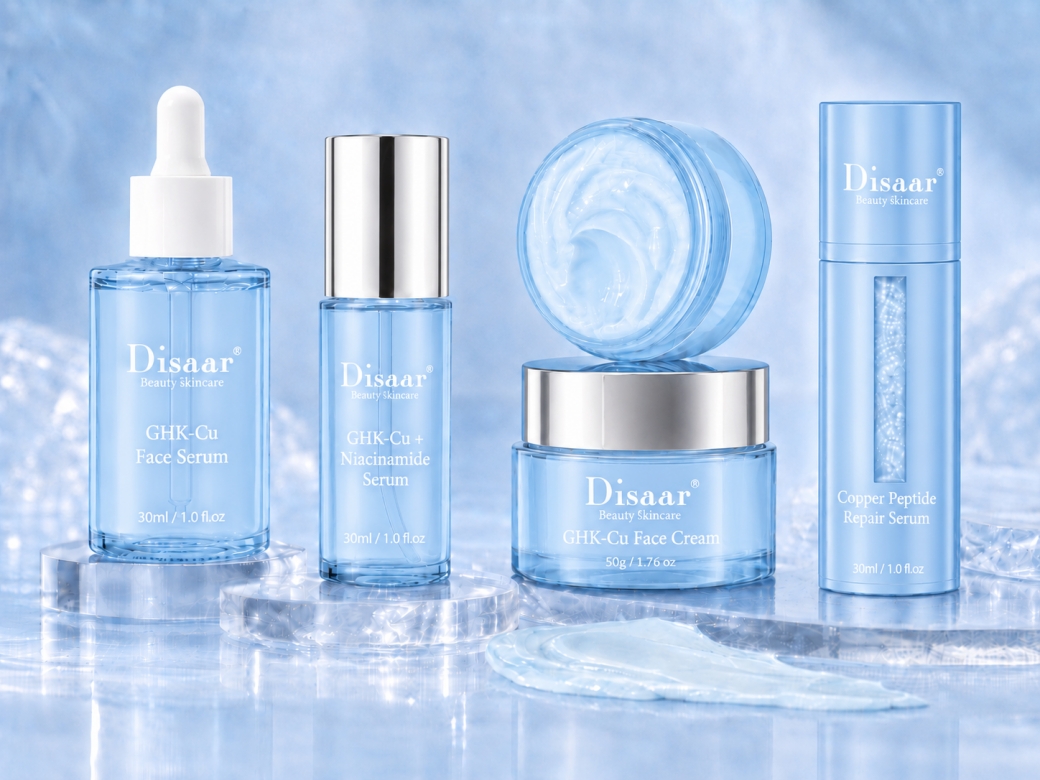
Სპილენძის პეპტიდები პოპულარულია მედიცინური ხარისხის კოსმეტიკური პროდუქტებში, რადგან ისინი შეესატყოვნებიან ამჟამად მოდერნული ანტი-აგინგ პროდუქტების მარკეტინგის სტილს. მყიდველები და მომხმარებლები აღარ ეძებენ მხოლოდ მარტივ სიტკბოს ან გამოსახატველ მოქმედებას. ისინი უფრო მეტად ყურადღებას ამახსოვრებენ ინგრედიენტებზე, რომლებიც ჟღერს აქტიურად, ტექნიკურად და პროფესიონალურად.
Სპილენძის პეპტიდები, განსაკუთრებით GHK-Cu, ასევე შეისწავლილია კოსმეტიკური გამოყენების და კანის აგების პროცესების კონტექსტში. 2018 წელს გამოქვეყნებული მიმოხილვა აღნიშნავს GHK-Cu-ს კოსმეტიკური გამოყენების კლინიკურ კვლევებს და მის შესაძლებლობას აგებული კანის გარეგნობის გასაუმჯობესებლად. თუმცა, კოსმეტიკური ბრენდებისთვის ეს არ ნიშნავს, რომ პროდუქტმა უნდა გააკეთოს მედიცინური მკურნალობის მოთხოვნები.
Ბრენდის განვითარების პერსპექტივიდან გამომდინარე, სპილენძის პეპტიდები კარგად მუშაობენ, რადგან ისინი მხარს უჭერენ რამდენიმე მაღალი ღირებულების პროდუქტის შეტყობინებას:
Ეს სპილენძის პეპტიდებს განსაკუთრებით მიმზიდველს ხდის მედიცინური დონის კანის მოვლის ხაზებისთვის.
Ეს ნიშნავს, რომ ბრენდები შეძლებენ სპილენძის პეპტიდების პროდუქტების მეშვეობით უფრო პროფესიონალური კანის მოვლის იმიჯის შექმნას.
Ბრენდის მფლობელისთვის სპილენძის პეპტიდები შეიძლება ნიშნავდეს ძლიერ ჰერო პროდუქტს. მაგალითად, სპილენძის პეპტიდების სერუმი შეიძლება გახდეს მედიცინური დონის კანის მოვლის ხაზში ძირითადი ანტი-ასაკობრივი SKU.
Დისტრიბუტორისთვის სპილენძის პეპტიდები შეიძლება ნიშნავდეს უფრო გასაგებ პროდუქტს. დისტრიბუტორი არ უნდა გაყიდოს კიდევა ერთი ძირითადი კრემი, არამედ შეიძლება წარადგინოს პეპტიდებზე დაფუძნებული ანტი-ასაკოვანებელი პროდუქტი უფრო პროფესიონალური მესიჯით.
Სილამაზის სალონის ან კანის მენეჯმენტის არხისთვის სპილენძის პეპტიდები შეიძლება მოერგოს კონსულტაციაზე დაფუძნებულ გაყიდვებს. პროდუქტი შეიძლება რეკომენდირდეს პროფესიონალური ანტი-ასაკოვანებელი რუტინის ნაკრების ნაკლებად ნაკლებად ნაკლებად ნაკლებად ნაკლებად ნაკლებად ნაკლებად ნაკლებად ნაკლებად ნაკლებად ნაკლებად ნაკლებად ნაკლებად ნაკლებად ნაკლებად ნაკლებად ნაკლებად ნაკლებად ნაკლებად ნაკლებად ნაკლებად ნაკლებად ნაკლებად ნაკლებად ნაკლებად ნაკლებად ნაკლებად ნაკლებად ნაკლებად ნაკლებად ნაკლებად ნაკლებად ნაკლებად ნაკლებად ნაკლებად ნაკლებად ნაკლებად ნაკლებად ნაკლებად ნაკლებად ნაკლებად ნაკლებად ნაკლებად ნაკლებად ნაკლებად ნაკლებად ნაკლებად ნაკლებად ნაკლებად ნაკლებად ნაკლებად ნაკლებად ნაკლებად ნაკლებად ნაკლებად ნაკლებად ნაკლება...... კრემის, თვალის პროდუქტის ან ამპულის წყენას.
Ამიტომ სპილენძის პეპტიდები უნდა დაკავშირდეს უფრო მეტად მასშტაბურ სტრატეგიას, მედიცინური ხარისხის კანის მოვლის პროდუქტების ბრენდებისთვის . სპილენძის პეპტიდები არ არის მხოლოდ პოპულარული ინგრედიენტი. ისინი არის ერთ-ერთი შესაძლო ანტი-ასაკოვანებელი მიმართულება.
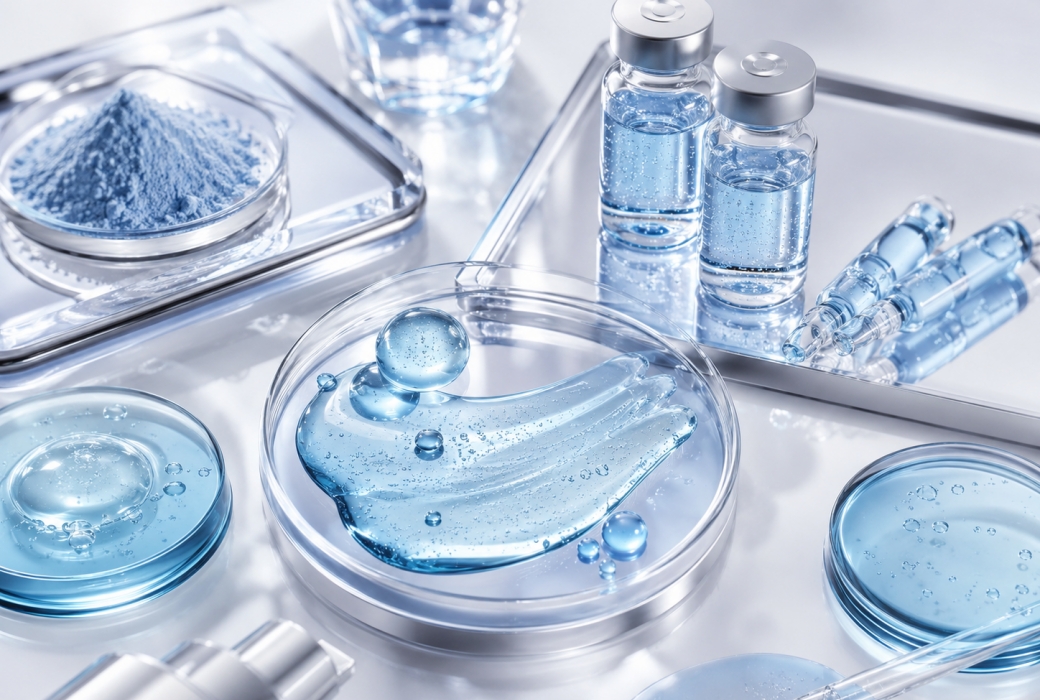
Სპილენძის პეპტიდები შეიძლება მხარი დაუჭერონ რამდენიმე პროდუქტის ფორმატს. სწორი არჩევანი დამოკიდებულია ყიდვის არხზე, ბაზრის განათლების შესაძლებლობაზე, ფასობრივ დონეზე და გაშვების გეგმაზე.
Სპილენძის პეპტიდების სერუმი ხშირად არის ყველაზე გასაგები საწყისი SKU მედიცინური ხარისხის ანტი-ასაკოვანებელი ხაზისთვის.
Საკონტროლო პეპტიდების სერუმი შეიძლება წარმოვადგინოთ როგორც ყოველდღიური ანტი-ასაკოვანების სერუმი, როგორც გამაგრებელი პეპტიდების სერუმი ან როგორც პროფესიონალური რეპარაციის მიზნით შექმნილი სერუმი. იგი შესაფერებელია ელექტრონული კომერციის ბრენდებისთვის, caრგი ხარისხის საცხოვრებლის მაღაზიებისთვის, კოსმეტოლოგიური სალონებისთვის და დისტრიბუტორებისთვის, რომლებსაც შეუძლიათ ინგრედიენტებზე დაფუძნებული სილამაზის მოვლის პროდუქტების ახსნა.
Პროდუქტის ისტორია უნდა აკენტოს უფრო გლურგი ჩანახვას, უფრო გამაგრებულ ჩანახვას, გასუფთავებულ ტექსტურას და პროფესიონალურ პეპტიდებზე დაფუძნებულ მოვლას.
Საკონტროლო პეპტიდების კრემი უფრო შესაფერებელია მაშინ, როდესაც მყიდველი სურს ყოველდღიურად გამოსაყენებლად შესაფერებელი პროდუქტი, რომელსაც მეტი მომხმარებელი იგებს. კრემი ბევრი მომხმარებლისთვის უფრო მარტივად გასაგებია, ვიდრე ამპულები ან ძალიან ტექნიკური სერუმის პროდუქტები.
Ეს SKU შეძლებს ანტი-ასაკოვანების ეფექტის დაკავშირებას კომფორტს, ტენიანობას, მოხუცებული კანის მოვლას და ყოველდღიურ რეჟიმში გამოყენებას.
Თვალის კრემი საკონტროლო პეპტიდებს ანიჭებს უფრო მიმართულ როლს. იგი შეძლებს პრემიუმ კომპლექტების შექმნას და ანტი-ასაკოვანების ხაზს უფრო სრულყოფილად გამოჩენას.
Ეს SKU შესაფერებელია ბრენდებისთვის, რომლებსაც უფრო მაღალი ღირებულების დამატებითი პროდუქტი სჭირდებათ. პროდუქტის ისტორია შეიძლება განაკვეთოს ხაზების გაჩენაზე, დაღლული სახის კანზე და თვალების მიდამოში კანის გამაგრებაზე.
Მედიცინური ხარისხის სასილკო მოვლის პოზიციონირებისთვის თვალების კრემი უნდა ჟღერდეს პროფესიონალურად, მაგრამ არ უნდა ჟღერდეს მედიცინურად. არ გამოიყენოთ ის ტერმინები, რომლებიც მედიცინური მდგომარეობების მკურნალობას ან შესწორებას მოიცავს.
Ამპულის პროდუქტები შესაფერებელია სილკო სალონებისთვის, კანის მართვის არხებისთვის და პროფესიონალური საცხოვრებლის რეტეილისთვის. ისინი ძლიერ მკურნალობის სტილის შეგრძნებას ქმნის, მაგრამ ტერმინები უნდა დარჩეს კოსმეტიკური და გარეგნული მოვლის საფუძველზე.
Სპილენძის პეპტიდის ამპულა კარგად იმუშავებს სალონის პროგრამებში, პროფესიონალურ სასილკო მოვლის კომპლექტებში ან მოკლე ვადიან ინტენსიურ მოვლის კონცეფციებში.
Კომპლექტი შეიძლება შეიცავდეს სერუმს, კრემს, თვალების კრემს, ამპულას ან მასკას. ეს შესაფერებელია იმ ყიდვის მომხმარებლებისთვის, რომლებსაც ძლიერი არხები და უფრო გასაგები ბრენდის გეგმა აქვთ.
Პირველად შემძენელებისთვის უკეთესია სრული ასორტიმენტის გაშვებამდე ერთი ან ორი SKU-ს მიღებით დაწყება. სრული სპილენძის პეპტიდების ხაზი მოითხოვს უფრო მკაცრ შეფუთვის ერთსარტყამობას, სარეალიზაციო განათლებას და საწყობის გეგმირებას.
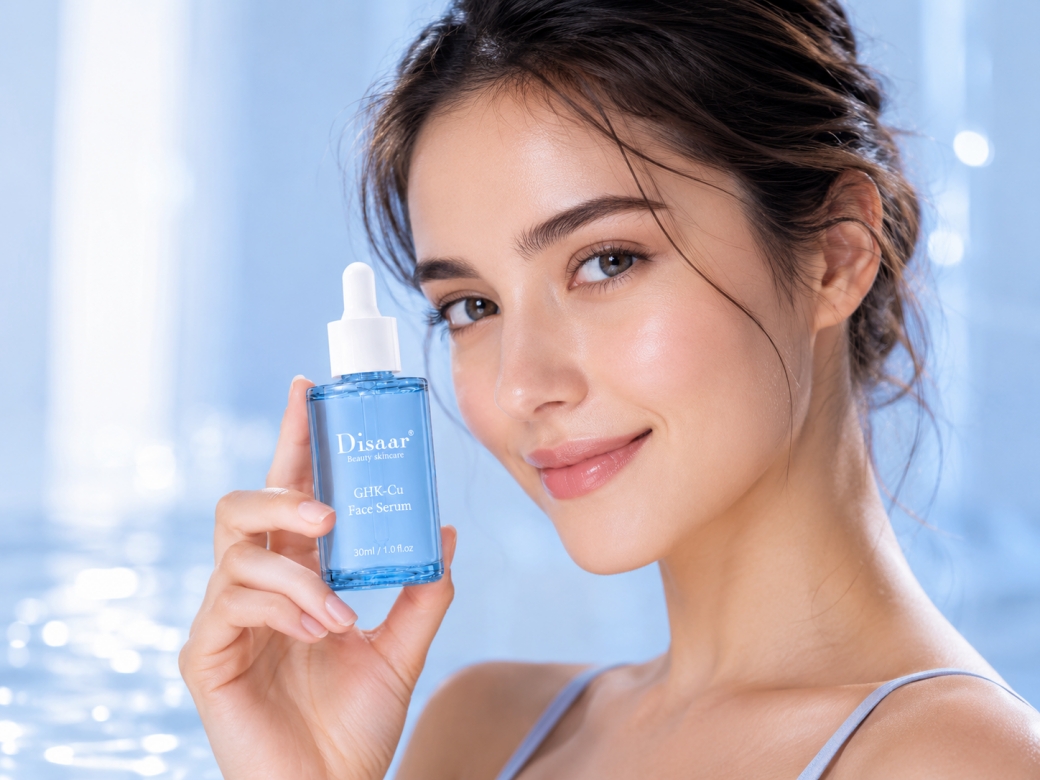
Სპილენძის პეპტიდები ხშირად გამოიყენება მედიცინური ხარისხის სახესასწავლო პროდუქტების პოზიციონირებაში, ამიტომ სიტყვების არჩევა მნიშვნელოვანია. პროდუქტი შეიძლება ჟღერდეს პროფესიონალურად, მაგრამ არ უნდა ჟღერდეს როგორც სამედიცინო საშუალება.
Აქ ხშირად აკეთებენ შეცდომას ბევრი ბრენდი. ისინი ხედავენ სპილენძის პეპტიდებს პროფესიონალური სახესასწავლო საუბრებში და იწყებენ სიტყვების გამოყენებას, როგორიცაა „იკურნებს“, „აღადგენს“, „აღადგენს ქსილოს“, ან „მკურნალობს წივნებს“. ეს სიტყვები შეიძლება შექმნან არასაჭიროებელი რისკი და შეიძლება პროდუქტი ჟღერდეს როგორც მკურნალობის საშუალება, არა კოსმეტიკური პროდუქტი.
Უფრო უსაფრთხო პროდუქტის ისტორია უნდა აკენტოს კანის ხილულ გარეგნობაზე.
Უკეთესი სიტყვების მიმართულებები შეიძლება იყოს:
Უფრო რისკიანი ფორმულირებები მოიცავს:
Ბრენდის მფლობელებისთვის მედიცინური ხარისხის პოზიციონირებული სკინკეარის პროდუქტი შეძლებს ნდობის აგებას ინგრედიენტების ლოგიკის, პროდუქტის ტექსტურის, პროფესიონალური პაკეტირების, გამოყენების რეჟიმის და სარეალიზაციო განათლების საშუალებით, არ არის საჭიროებული მედიცინური სტილის სიტყვები.
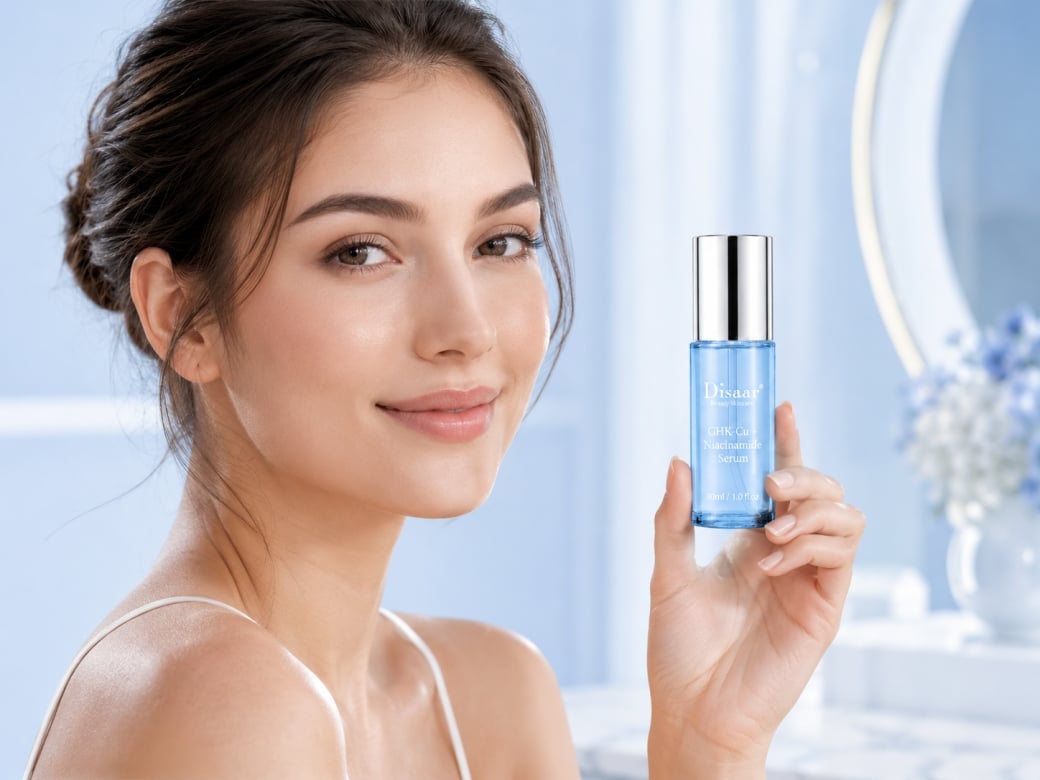
Სპილენძის პეპტიდები შეიძლება გაერთიანდეს სხვა ინგრედიენტებთან, რათა პროდუქტის ისტორია უფრო გასაგები გახადოს.
Ყოველდღიური ანტი-ასაკოვანების სერუმისთვის სპილენძის პეპტიდები შეიძლება შეირევოს ჰიალურონის მჟავას მსგავსი ჰიდრატაციის ინგრედიენტებთან. ეს ხდის პროდუქტს უფრო ადვილად გამოსაყენებლად ყოველდღიურად და მომხმარებლებისთვის უფრო ადვილად გასაგებად.
Სიმკვრივის ამაღლების კრემისთვის სპილენძის პეპტიდები შეიძლება შეირევოს ცერამიდებთან ან კვებავი ინგრედიენტებთან. ეს მიმართულება კარგად მუშაობს მოხუცებული კანის, შუშუნიანი კანის ან cao-end საცალო რეტაილის არხებისთვის.
Პროფესიონალური პეპტიდების სერუმისთვის სპილენძის პეპტიდები შეიძლება შეირევოს მრავალპეპტიდური კონცეფციებთან. ეს ქმნის ძლიერ პეპტიდების სკინკეარის ისტორიას და შეძლებს მედიცინური ხარისხის უფრო მაღალი ღირებულების პროდუქტის იმიჯის მხარდაჭერას.
Რემონტის შთაგონებული კოსმეტიკისთვის სპილენძის პეპტიდები შეიძლება შეირევოს პანტენოლთან, ცენტელასთან ან ბარიერული ფუნქციის მხარდაჭერად მოქმედებას ახდენელ ინგრედიენტებთან. ეს მიმართულება შეიძლება გააკეთოს პროდუქტი ყოველდღიურად გამოსაყენებლად უფრო მოსახერხებელი და უფრო ხელსაყრელი.
Იმ ბაზრებში, სადაც მკაცრად მოთხოვნილია ტონის გასწორება, სპილენძის პეპტიდები შეიძლება შეირევოს ნიაცინამიდთან. ეს შეიძლება შექმნას ანტი-ასაკობრივი და გამოსხივების მიმართულება, მაგრამ ბრენდებმა უნდა არ გამოიყენონ გამოუსახულებელი გათეთრების მოთხოვნები.
Აი, პრაქტიკული გზა ფორმულის მიმართულების შესახებ ფიქრისთვის:
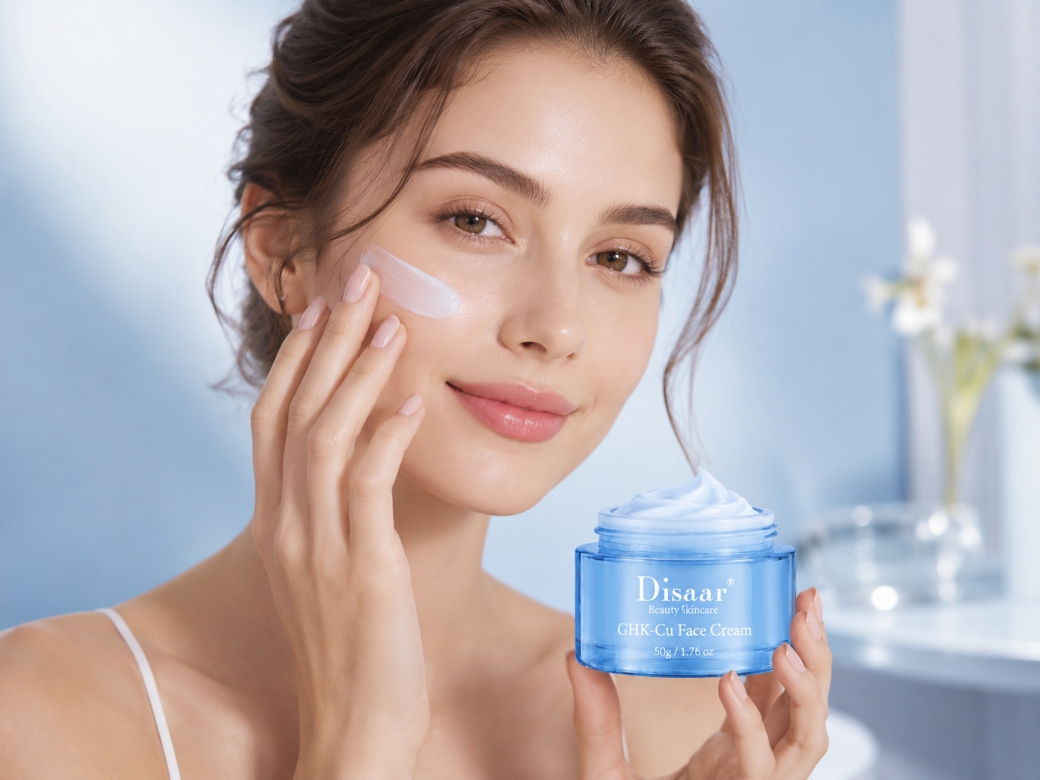
Საკოსმეტიკო საშუალებები, რომლებშიც შედის სპილენძის პეპტიდები, უფრო მეტად შესაფერებელია ბრენდებისთვის, რომლებიც სამეცნიერო ანტი-ასაკობრივი პროდუქტების ისტორიას აშენებენ. ეს ჩვეულებრივ არ არის საუკეთესო არჩევანი ბრენდებისთვის, რომლებიც მხოლოდ დაბალი ფასებით არიან კონკურენტუნარიანი.
Სპილენძის პეპტიდები შეიძლება დაეხმაროს პრემიუმ ანტი-ასაკობრივი სერიის განვითარებაში და მისი ინგრედიენტების უფრო ძლიერი იდენტობის დამკვიდრებაში.
Ამ არხებს შეუძლიათ პეპტიდების შემცველი საკოსმეტიკო საშუალებების ახსნა კონსულტაციების და პროდუქტების გამოყენების რეჟიმების მეშვეობით.
Სპილენძის პეპტიდების შემცველი პროდუქტები დისტრიბუტორებს შეძლებს მიაწოდოს განსაკუთრებული ანტი-ასაკობრივი SKU, არ არის უბრალო ტკბილი საშუალება.
Ონლაინ ბრენდები შეძლებენ სპილენძის პეპტიდების გამოყენებას პროდუქტის გვერდის შინაარსის, რეკლამის კუთხეების, შედარების შინაარსის და რეჟიმის განათლების მიზნით.
Განვითარდებად ბაზრებში მოღებული იმპორტიორებისთვის სპილენძის პეპტიდები შეიძლება დაეხმაროს უფრო მოწინავე ანტი-ასაკოვანებელი პროდუქტების შემოღებაში.
Სპილენძის პეპტიდების მედიცინური ხარისხის სასილამაზე საშუალებები უკეთ მუშაობს, როდესაც ყიდვის მომხმარებელს აქვს არსებული არხი, რომელიც ახსნის, თუ რატომ არის ეს პროდუქტი განსხვავებული.
Პაკეტირება განსაკუთრებით მნიშვნელოვანია სპილენძის პეპტიდების პროდუქტებისთვის, რადგან ინგრედიენტების ისტორია უკვე ქმნის cao-ხარისხის ლოგიკას. თუ პროდუქტი ძალიან მარტივად გამოიყურება, ბაზარი შეიძლება არ მიიღოს მისი ფასი სერიოზულად.
Სპილენძის პეპტიდების სერუმისთვის, ჰაერის გარეშე ბოთლები, პამპის ბოთლები და დროპერის ბოთლები არის გავრცელებული ვარიანტები. სუფთა ლურჯი, სპილენძის ფერის, თეთრი ან კლინიკური სტილის დიზაინი შეიძლება მხარი დაუჭეროს სპილენძის პეპტიდების იდენტობას, მაგრამ ის უნდა შეესატყოს ბრენდის საერთო ვიზუალურ სისტემას.
Სპილენძის პეპტიდების კრემისთვის, საშენო და საკონსერვო ქილები, ტუბები და ჰაერგარეშე კრემის ბოთლები შეიძლება გამოყენებულ იქნას. საშენო და საკონსერვო ქილები მდიდარ ტექსტურასა და პრემიუმ შეგრძნებას ასახავს. ტუბები პრაქტიკულია რეტეილისა და ტრანსპორტირების მიზნებისთვის. ჰაერგარეშე კრემის ბოთლები უფრო სუფთა და პროფესიონალურ იმიჯს უწყობს ხელს.
Თვალის კრემისთვის, პატარა ტუბები, პამპის ტუბები ან პატარა ჰაერგარეშე ბოთლები შეიძლება გააძლიეროს SKU-ს მიზანმიმართულობა და პრემიუმ შეგრძნება.
Ამპულებისთვის, პატარა ვიალები ან ამპულის სტილის ბოთლები მხარს უჭერს სალონის და კანის მენეჯმენტის პოზიციონირებას.
Შეფუთვა უნდა პასუხოს ოთხ პრაქტიკულ კითხვას:
Განვითარებად ბაზრებში ტრანსპორტირება და საწყობარო მომსახურება არ უნდა იგნორირდეს. ლამაზი ქვაბის ბოთლი შეიძლება ჩანდეს caრგი ხარისხის, მაგრამ თუ ამ არხში მაღალი ალბათობით ხდება გაჟონვა ან დაზიანება, ეს შეიძლება არ იყოს საუკეთესო კომერციული ვარიანტი.
Როგორც პრივატული ლეიბლი, ასევე ინდივიდუალურად შექმნილი პროდუქტი შეიძლება გამოყენებული იქნას სპილენძის პეპტიდის საკოსმეტიკო საშუალებებისთვის, მაგრამ ისინი შეესაბამება სხვადასხვა მყიდველის სიტუაციას.
Საკუთარი მარკა ეს შეიძლება იყოს შესაფერებელი მაშინ, როდესაც მყიდველს სჭირდება სწრაფად შემოსვლა ბაზარზე. მომზადებული სპილენძის პეპტიდის სერუმის ან პეპტიდის კრემის ფორმულა შეიძლება დაეხმაროს დისტრიბუტორებს, სალონების მფლობელებს და ახალ ბრენდებს ბაზრის რეაქციის გამოცდის დროს დაბალი სირთულის პირობებში.
Ინდივიდუალური დამუშავების ეს შეიძლება იყოს შესაფერებელი მაშინ, როდესაც მყიდველს უკვე აქვს უფრო გასარკვეველი პროდუქტის იდეა. მაგალითად, მყიდველს შეიძლება სჭირდებოდეს მსუბუქი სპილენძის პეპტიდის სერუმი ცხელ ბაზრებში, სპილენძის პეპტიდის კრემი ცერამიდებით ან სალონების არხებისთვის სპილენძის პეპტიდის ამპულები. ეს საშუალებას აძლევს უფრო მეტად შეცვალოს ტექსტურა, ფორმულის მიმართულება, შეფუთვა, სუნი, ფერი და პროდუქტის პოზიციონირება.
Კარგი წარმოებელი არ უნდა თქვას მხოლოდ: „კი, ჩვენ შეგვიძლია სპილენძის პეპტიდების დამატება.“ ეს არ არის საკმარისი.
Საწარმოს მხარდაჭერა უნდა მოიცავდეს:
Წარმოებელი ეხმარება ყიდვის არხსა და ფასობრივ დონეზე დაფუძნებული პროდუქტის ფორმატის არჩევაში.
Ყიდვის მომხმარებელს შეუძლია აირჩიოს მზად არსებული ფორმულები სწრაფად გასაშვებად ან მოურჩიოს ინდივიდუალური ფორმულის შემუშავება განსაკუთრებულობის მისაღებად.
Მსუბუქი სერუმი შეიძლება მოერგოს ცხელ ბაზრებს. უფრო მდიდარი კრემი შეიძლება მოერგოს მოხუცებული კანის პოზიციონირებას. უფრო გლუვი ამპულის ტექსტურა შეიძლება მოერგოს სალონებში გამოყენებას.
Შეფუთვა უნდა მხარდაჭეროს პეპტიდების ისტორიას, ანტი-ასაკოვანების პოზიციონირებას, ფორმულის ვისკოზიტეტს და ტრანსპორტირების საჭიროებებს.
Წარმოებლის მეშვეობით შესაძლებელია წინასწარ თავიდან აცილება ნათელი მედიცინური მოთხოვნების გაკეთება ეტიკეტებზე და ვებსაიტებზე ტექსტების დაწერამდე.
Ნიმუშები ყიდვის მომხმარებლებს საშუალებას აძლევს მასობრივი წარმოების წინ დაადასტურონ პროდუქტის შეგრძნება, სუნი, ფერი, შეფუთვის გამოყენება და ბაზარზე შესატყოვნებლობა.
Როგორც სპილენძის პეპტიდების საკოსმეტიკო პროდუქტების წარმოებელი, ჩვენ ვუწყობთ მხარდაჭერას ბრენდების მფლობელებს, დისტრიბუტორებს, იმპორტიორებს და სილამაზის არხის ყიდვის მომხმარებლებს ფორმულების არჩევანით, პირადი ლეიბლის მხარდაჭერით, ინდივიდუალური განვითარებით, შეფუთვის შესატყოვნებლობის უზრუნველყოფით, ნიმუშების შემოწმებით და პეპტიდებზე დაფუძნებული ანტი-ასაკოვანებელი საკოსმეტიკო პროდუქტების წარმოების გეგმირებით.
Სპილენძის პეპტიდები შეიძლება იყოს ძლიერი ინგრედიენტული მიმართულება მედიცინური ხარისხის საკოსმეტიკო პროდუქტების სერიაში, განსაკუთრებით იმ ბრენდებისთვის, რომლებიც სურს ანტი-ასაკოვანებელი სერუმის, გამაგრებელი კრემის, თვალების მოვლის საშუალების, ამპულის ან პეპტიდებზე დაფუძნებული საკოსმეტიკო პროდუქტების კომპლექტების შექმნა.
Განვითარებას განაგრძობთ სპილენძის პეპტიდების საკოსმეტიკო პროდუქტების თქვენს ბრენდს მოსარგებლად? დაგვიკავშირდით თქვენი იდეების განხილვის მიზნით. ჩვენ ვაწყობთ მხარდაჭერას ერთი სახელმძღვანელოს ინდივიდუალური საკოსმეტიკო მომსახურებით.