EN
EN

Disunie Double Essence Serum -sarja: Avaa luxuosien muunnoksellisen matkan oven
2025/04/17
2026/05/09
Kuparipeptidit ovat tällä hetkellä yksi suosituimmista vaikuttava-aine-konsepteista lääketieteellisen laadun ihonhoitotuotteissa. Niitä käsitellään usein ikääntymisen estävissä serumissa, tiukentavissa voiteissa, peptidihoitoissa, silmähoitotuotteissa ja ammattimaisissa ihonhoitolinjoissa. Kauneusmedian on viime aikoina korostanut kuparipeptidejä seurattavana ikääntymisen estävänä vaikuttavana aineena, kun taas laajemmat vuoden 2026 ihonhoitotrendikattaukset jatkavat peptidien sijoittamista tieteellisesti perusteltuihin, pitkäikäisyyteen keskittyviin ihonhoitokeskusteluihin.
Tämä trendi on hyödyllinen brändinomistajille ja jakelijoille. Ne sopivat luontevasti ikääntymisen estävään, tiukentavaan, korjaavaan ja ammattimaiseen ihonhoitoon keskittyvään brändipositionointiin. Ne voivat myös auttaa brändiä siirtymään tavallisista ihonhoitotuotteista eteenpäin ja luomaan korkeampaa arvoa edustavan SKU:n.
Brändinomistajille ja jakelijoille parempi kysymys ei ole pelkästään:
Voimmeko valmistaa kuparipeptidi-ihonhoitotuotteita?
Parempi kysymys on:
Mikä kuparipeptidi-SKU sopii markkinoillemme, kanavillemme, hintatasollemme ja lääketieteellisen laadun ihonhoitopositionointiimme?
Tässä artikkelissa selitetään, miten brändinomistajat, tuojat, jakelijat, kauneusparlorit ja ihonhoitokanavat voivat muuttaa kuparipeptidit suosituista vaikuttavista aineista käytännöllisiksi iänmyötäisen ihoon kohdistuviksi hoitotuotteiksi.
Kuparipeptidit ovat suosittuja lääketieteellisen laadun ihonhoitotuotteissa, koska ne sopivat nykyaikaisten iänmyötäisiä tuotteita markkinoivan strategian mukaisesti. Ostajat ja kuluttajat eivät enää etsi pelkästään yksinkertaisia kosteutta lisääviä tai valkaisuvaikutteisia tuotteita, vaan kiinnittävät yhä enemmän huomiota vaikuttaviin, teknisiin ja ammattimaisilta kuulostaviin aineosiin.
Kuparipeptidejä, erityisesti GHK-Cu:ta, on myös tutkittu kosmetologisessa käytössä ja iänmyötäisessä ihosta. Vuonna 2018 julkaistussa katsauksessa mainittiin kliinisiä tutkimuksia GHK-Cu:n kosmetologisesta käytöstä ja sen kyvystä parantaa ikääntyneen ihon ulkonäköä. Mutta ihonhoitobrändeille tämä ei tarkoita, että tuotteen pitäisi tehdä lääketieteellisiä hoitoväitteitä.
Brändin kehittämisen näkökulmasta kuparipeptidit toimivat hyvin, koska ne tukevat useita korkean arvon omaavia tuotetekstejä:
Tämä tekee kuparipeptideistä erityisen houkuttelevia lääketieteellisesti sijoitettujen ihotuotteiden tuotelinjojen kannalta.
Se tarkoittaa, että brändit voivat rakentaa ammattimaisemman ihotuotemarkkinakuvan kuparipeptidituotteiden avulla.
Brändinomistajalle kuparipeptidit voivat tarkoittaa vahvempaa tähtituotetta. Esimerkiksi kuparipeptidiserumi voi muodostua lääketieteellisesti sijoitetun ihotuotelinjan pää-ikääntymistä estäväksi tuotteeksi.
Jakelijalle kuparipeptidit voivat tarkoittaa selkeämmin selitettävää tuotetta. Sen sijaan, että jakelija myy toista perusvoiteita, hän voi esitellä peptidipohjaista ikääntymisen estävää tuotetta ammattimaisemman viestin kautta.
Kauneussalongille tai ihonhoitokanavalle kuparipeptidit sopivat neuvontapohjaiseen myyntiin. Tuotetta voidaan suositella osana ammattimaista ikääntymisen estävää hoitoa, erityisesti kun se yhdistetään voiteeseen, silmätuotteeseen tai ampulliin.
Siksi kuparipeptidit tulisi liittää laajempaan strategiaan lääketieteellisen laadun ihonhoitotuotteista brändeille . Kuparipeptidit eivät ole pelkästään suosittu aineosa. Ne ovat yksi mahdollinen ikääntymisen estämisstrategia.
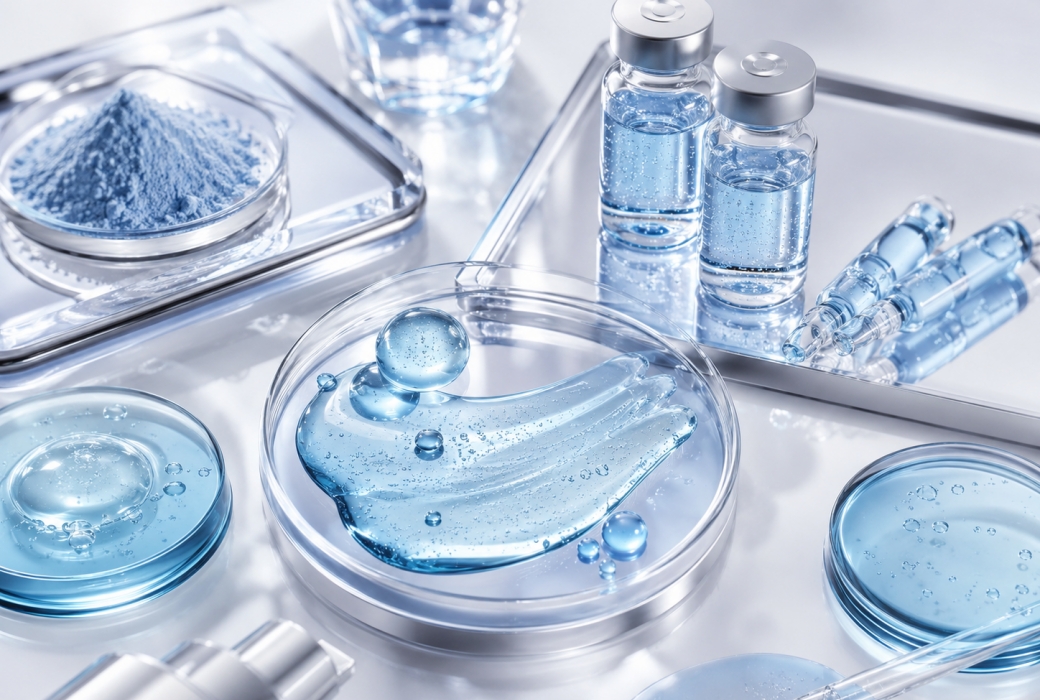
Kuparipeptidit voivat tukea useita tuottemuotoja. Oikean valinnan tekeminen riippuu ostajan kanavasta, markkinoiden tiedottamiskyvystä, hintatasosta ja käynnistämis-suunnitelmasta.
Kuparipeptidiserumi on usein selkein aloitustuote lääketieteellisen laadun ikääntymisen estävälle linjalle.
Kuparipeptidiserumin voidaan esitellä päivittäisenä anti-ikääntymis-seruminä, jännittävän vaikutuksen tuovan peptidiseruminä tai korjaavaan hoitoon inspiroituina ammattimaisena seruminä. Se soveltuu verkkokauppojen merkkeihin, premium-vähittäiskauppaan, kauneusparloureihin ja jakelijoihin, jotka pystyvät selittämään aineosaperusteista ihonhoitoa.
Tuotetarinan tulisi keskittyä sileämmän näköiseen ihoon, jännittyneemmän ulkonäön saavuttamiseen, hienomman tekstuurin saavuttamiseen ja ammattimaiseen peptidihoidon tarjoamiseen.
Kuparipeptidivoide on sopivampi vaihtoehto, kun ostaja haluaa päivittäiseen käyttöön tarkoitettua tuotetta, jolla on laajempi hyväksyntä. Monille asiakkaille voide on helpommin ymmärrettävissä kuin ampullit tai erityisen tekniset serumtuotteet.
Tämä SKU voi yhdistää anti-ikääntymishoidon mukavuuteen, kosteuteen, iän myötä muuttuvan ihan hoitoon ja päivittäiseen käyttöön.
Silmävoide antaa kuparipeptideille tarkemman tehtävän. Se voi tukea premium-tuotesarjan rakentamista ja tehdä anti-ikääntymissarjasta täydellisemmän kokonaisuuden.
Tämä SKU on sopiva brändeille, jotka haluavat korkeamman arvon lisätuotteen. Tuotetarina voi keskittyä hienoihin ryppyihin, väsymisilmeiseen ihoon ja silmäalueen tiukentumiseen.
Lääketieteellisen laatuista ihonhoitoa korostavassa viestinnässä silmävoite tulisi kuulostaa ammattimaiselta, mutta ei lääketieteelliseltä. Vältä kieltosanoja tai ilmaisuja, jotka viittaavat sairauksien hoitoon tai korjaamiseen.
Ampullituotteet ovat sopivia kauneusparloureihin, ihonhoitokanaviin ja ammattimaiseen vähittäiskauppaan. Ne luovat voimakkaamman hoitovaikutteisen tunnetta, mutta sanavalinnat tulisi pitää kosmetiikkapohjaisina ja ulkonäköön liittyvinä.
Kuparipeptidi-ampulli toimii hyvin kauneusparlourien ohjelmissa, ammattimaisissa ihonhoitopaketeissa tai lyhyen ajan intensiivihoidon konsepteissa.
Paketti voi sisältää esimerkiksi serumia, voiteita, silmävoiteita, ampulleja tai kasvomaskeja. Tämä on sopiva ostajille, joilla on vahvat jakelukanavat ja selkeä brändisuunnitelma.
Ensimmäistä kertaa ostaville asiakkaille saattaa olla parempi aloittaa yhdellä tai kahdella tuotekoodilla (SKU) ennen koko tuotelinjan käynnistämistä. Täydellisen kuparipeptidilinjan tarjoaminen edellyttää vahvempaa pakkausyhtenäisyyttä, myyntikoulutusta ja varastosuunnittelua.
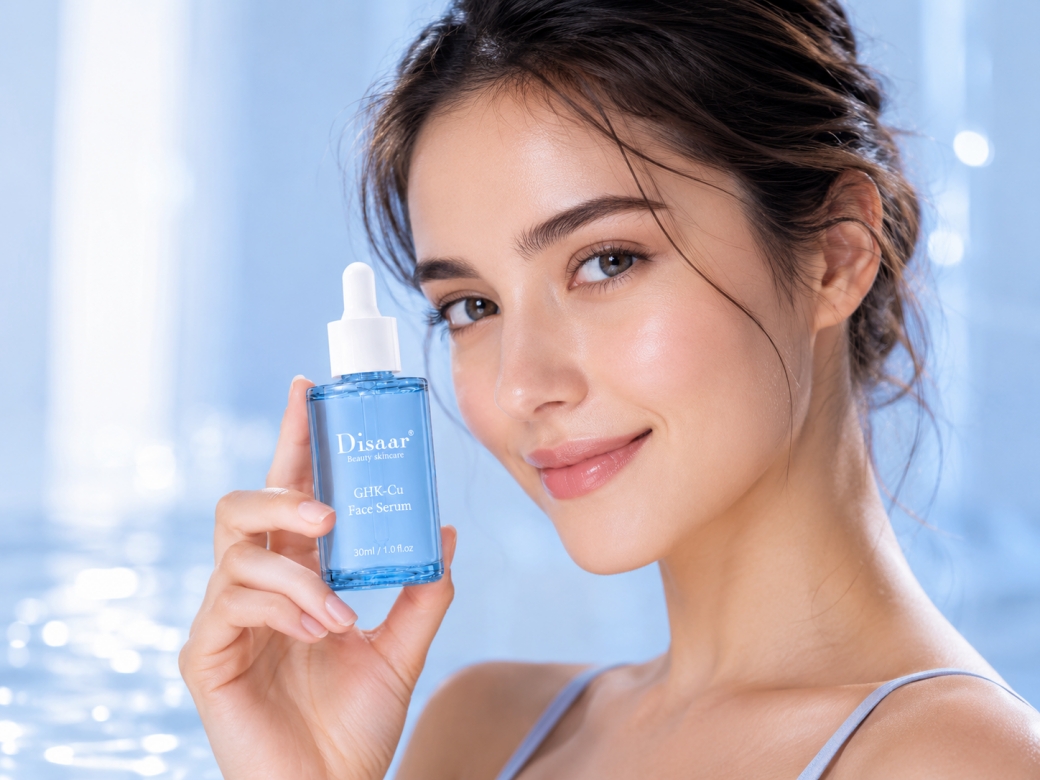
Kuparipeptidejä käytetään usein lääketieteellisen hoidon tasoisessa ihonhoitotuotteiden sijoittelussa, joten sanavalinnat ovat tärkeitä. Tuote voi kuulostaa ammattimaiselta, mutta ei saa kuulostaa lääkkeeltä.
Tässä monet merkit tekevät virheitä. He näkevät kuparipeptidit ammattimaisissa ihonhoitokeskusteluissa ja alkavat käyttää sanoja kuten ”parantaa”, ”uudistaa”, ”rakentaa uudelleen kudosta” tai ”hoitaa ryppyjä”. Nämä sanat voivat aiheuttaa tarpeetonta riskiä ja saattavat tehdä tuotteesta hoitotuotteen vaikutelman sen sijaan, että se kuulostaisi kosmetiikkatuotteelta.
Turvallisempi tuotetarina keskittyy näkyvään ihoilmaisuun.
Parannettuja sanavalintoja ovat:
Riskanttisempaa sanamuotoa ovat:
Brändinomistajille lääketieteellisen luokan asettelua käyttävä ihonhoitotuote voi luoda luottamusta ainesosalogiikan, tuotteen tekstuurin, ammattimaisen pakkauksen, käyttöohjeen ja myyntikoulutuksen kautta sen sijaan, että korostettaisiin lääketieteellisiä termejä.
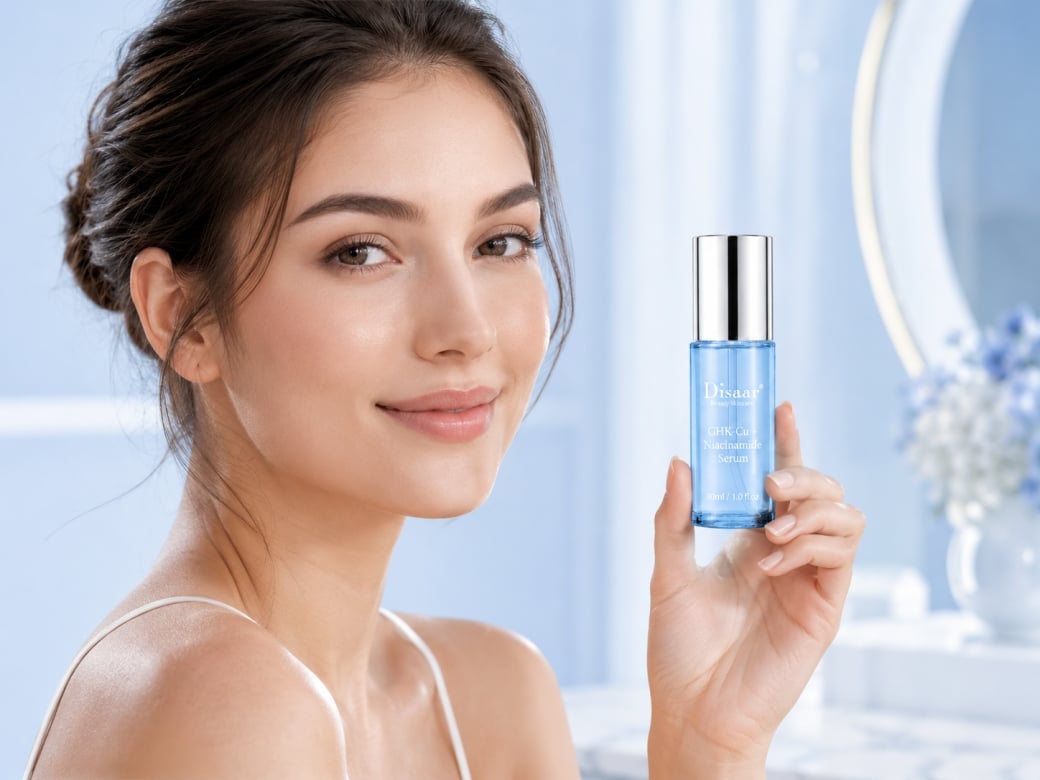
Kuparipeptidejä voidaan yhdistää muihin aineksiin, jotta tuotteen tarina selkiytyy.
Päivittäiseen ikääntymisen estävään serumiin kuparipeptidejä voidaan yhdistää kosteutta lisääviin aineksiin, kuten hyaluronihappoon. Tämä tekee tuotteesta helpommin käytettävän päivittäin ja kuluttajien helpommin ymmärrettävän.
Tiukentavaan voiteeseen kuparipeptidejä voidaan yhdistää seramideihin tai ravintoaineita sisältäviin aineksiin. Tämä suuntaus toimii hyvin iäkkäälle iholle, kuivalle iholle tai premium-vähittäiskauppaan.
Ammattimaiseen peptidiserumiin kuparipeptidejä voidaan yhdistää monipeptidikonsepteihin. Tämä vahvistaa peptidipohjaista ihonhoitotarinaa ja voi tukea korkeampiarvoista lääketieteellisen luokan tuotekuvaa.
Korjaavaan ihonhoitoon suunnattuja tuotteita varten kuparipeptidit voidaan yhdistää pantenoliin, sentellään tai esteen tukemiseen tarkoitettuihin aineisiin. Tämä suuntaus voi tehdä tuotteesta pehmeämmän ja mukavamman päivittäiseen käyttöön.
Markkinoilla, joissa vaalennustehoon liittyvä kysyntä on voimakas, kuparipeptidit voidaan yhdistää niatsinamidiin. Tämä voi luoda ikääntymisen estävän ja säteilevyyttä parantavan suuntautumisen, mutta brändien tulisi välttää liioiteltuja vaalentavia väitteitä.
Tässä on käytännöllinen tapa ajatella kaavan suuntausta:
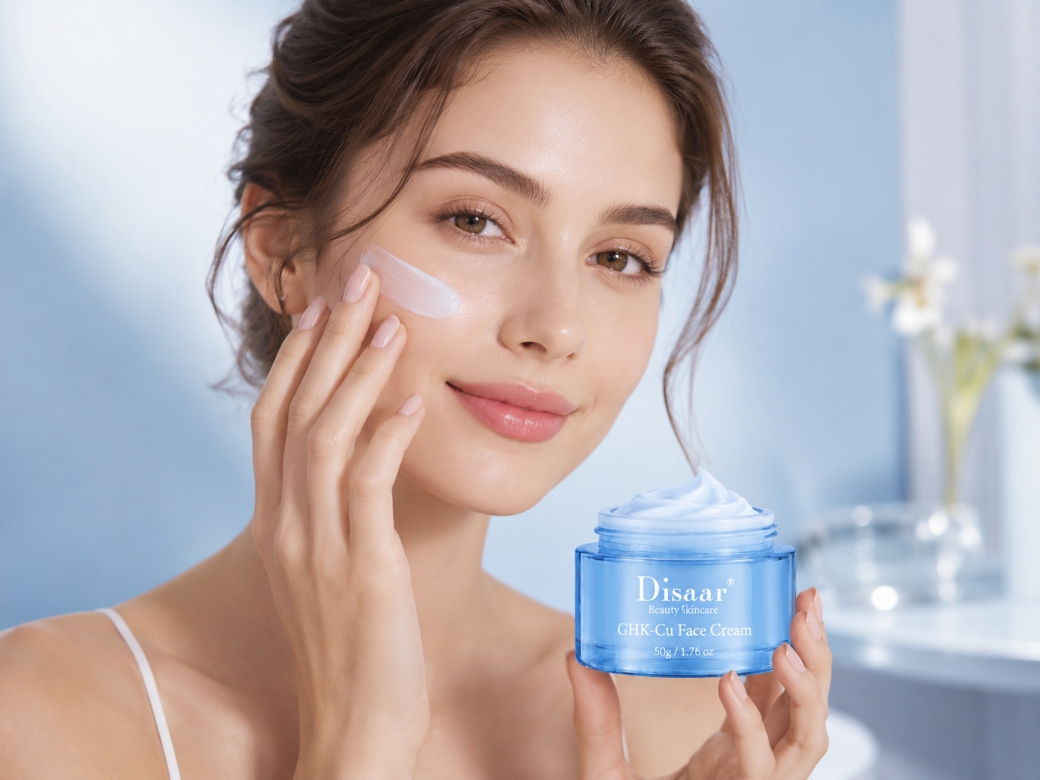
Kuparipeptidipohjainen ihonhoito sopii paremmin merkeille, jotka haluavat rakentaa ammattimaisen ikääntymisen estävän tuotetarinan. Se ei yleensä ole paras vaihtoehto merkeille, jotka kilpailevat ainoastaan alhaisen hinnan perusteella.
Kuparipeptidit voivat tukea premium-ikääntymisen estävää tuotesarjaa vahvemman vaikutusaineiden identiteetin avulla.
Nämä kanavat voivat selittää peptidipohjaista ihonhoitoa neuvottelujen ja tuotterutiinien kautta.
Kuparipeptidituotteet voivat antaa jakelijoille erottautuvan ikääntymisen estävän SKU:n sen sijaan, että kyseessä olisi toinen perusihonhoitovoide.
Verkkomerkki voivat käyttää kuparipeptidejä tuotesivujen sisällöissä, mainoskulmien luomisessa, vertailusisällöissä ja rutiinien opastuksessa.
Kehittyvillä markkinoilla toimiville tuontiyrityksille kuparipeptidit voivat auttaa esittelemään edistyneempää ikääntymisen estämiseen tähtäävää tuotelinjaa.
Kuparipeptidipohjaiset lääketieteellisen luokan ihonhoitotuotteet toimivat paremmin, kun ostaja on omannut jakelukanavan, joka pystyy selittämään, miksi tuote eroaa muista.
Pakkaus on erityisen tärkeä kuparipeptidituotteille, koska aineosan tarina herättää jo alun perin premium-odotuksen. Jos tuote näyttää liian perustavalta, markkina ei ehkä usko sen hintaan.
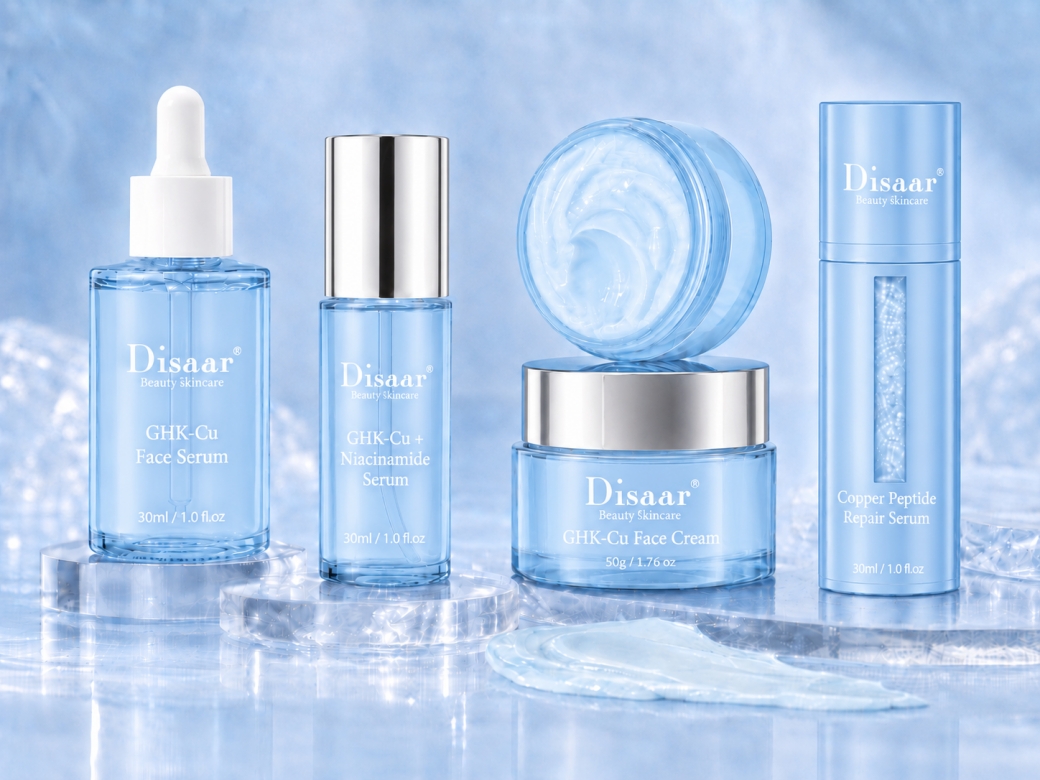
Kuparipeptidiserumille, ilmatonta pulloa, pumpupulloa ja tiputuspulloa käytetään yleisesti. Selkeä sinipohjainen, hopeapohjainen, valkopohjainen tai kliinistä tyyliä korostava suunnittelu voi tukea kuparipeptiditunnetta, mutta sen tulee silti sointua merkin yleiseen visuaaliseen järjestelmään.
Kuparipeptidivoiteelle, purkit, putket ja ilmatonta kermapulloja voidaan käyttää. Purkit voivat korostaa rikasta tekstuuria ja premium-tunnetta. Putket ovat käytännöllisiä vähittäiskauppaan ja kuljetukseen. Ilmaton kermapullo voi tukea siistimpää ammattimaisempaa kuvaa.
Silmäkremelle: pienet putket, pumppuputket tai pienet ilmatonpullojen tyyppiset pullot voivat tehdä SKU:sta tarkemmin kohdennetun ja premium-tunnoista.
Ampulliin: pienet pullokkeet tai ampullityyppiset pullot voivat tukea hieronta- ja ihonhoitopositionointia.
Pakkaus tulisi vastata neljään käytännölliseen kysymykseen:
Kehittyvillä markkinoilla kuljetus ja varastointi eivät saa jäädä huomiotta. Kaunis lasipullo voi näyttää premium-tuotelta, mutta jos jakelukanavassa on suuri vuotoksi- tai rikkoutumisriski, se ei välttämättä ole kaupallisesti paras vaihtoehto.
Sekä private label -tuotteet että räätälöidyt tuotteet sopivat kuparipeptidipohjaiseen ihonhoitoon, mutta ne soveltuvat erilaisiin ostajien tilanteisiin.
Yksityismerkki private label -tuotteet ovat sopivia, kun ostaja haluaa käynnistää tuotteen nopeammin. Kypsä kuparipeptidiserumi- tai peptidivoitekaava auttaa jakelijoita, hieronta- ja kauneuslaitosten omistajia sekä uusia brändejä testaamaan markkinoiden vastetta pienemmällä kehityskompleksisuudella.
Mukautettu kehitys räätälöidyt tuotteet ovat sopivia, kun ostajalla on selkeämpi tuoteajatus. Esimerkiksi ostaja saattaa haluta kevyen kuparipeptidiserumin kuumille markkinoille, kuparipeptidivoiteen, jossa on seramiideja, tai kuparipeptidiampullin hieronta- ja kauneuslaitosten kanaviin. Tämä mahdollistaa laajemman säädön tekstuurissa, kaavan suunnassa, pakkauksessa, hajussa, värissä ja tuotteen markkinointiasennossa.
Hyvän valmistajan ei pitäisi ainoastaan sanoa: "Kyllä, voimme lisätä kuparipeptidejä." Se ei riitä.
Tehtaan tukipalveluiden tulisi sisältää:
Valmistaja auttaa ostajaa valitsemaan tuotemuodon ostajan jakelukanavan ja hintatason perusteella.
Ostaja voi valita kypsyttyjä kaava vaihtoehtoja nopeampaa käynnistystä varten tai pyytää räätälöityä kaavan kehitystä erottautumiseksi.
Kevyt serum voi soveltua kuumille markkinoille. Rikkaampi voide voi soveltua iän myötä kypsyneen ihon kohdentamiseen. Sileämpi ampullitekstuuri voi soveltua salonkikäyttöön.
Pakkaus tulisi tukea peptiditarinaa, anti-ikääntymispositionointia, kaavan viskositeettia ja kuljetustarpeita.
Valmistaja voi auttaa välttämään ilmeisiä lääketieteellisiä liiallisia väitteitä ennen merkintöjen ja verkkosivujen laatimista.
Näytteet auttavat ostajia vahvistamaan tuotteen tunnetun oloisuuden, hajun, värin, pakkauskäytön ja markkinasovituvuuden ennen sarjatuotantoa.
Kuparipeptidipohjaisten ihonhoitotuotteiden valmistajana tarjoamme brändinomistajille, jakelijoille, tuojille ja kauneusalan ostajille kaavan vaihtoehtoja, private label -tukea, räätälöityä kehitystä, pakkausten sovittamista, näytteiden tarkastusta sekä tuotannon suunnittelua peptidipohjaisiin ikääntymisen estäviin ihonhoitotuotteisiin.
Kuparipeptidit voivat olla vahva ainesosasuuntaus lääketieteellisen luokan ihonhoitolinjassa, erityisesti niille brändeille, jotka haluavat kehittää ikääntymisen estäviä seerumeja, tiukentavia voiteita, silmähoitoa, ampullia tai peptidipohjaisia ihonhoitopaketteja.
Aiotko kehittää kuparipeptidipohjaisia ihonhoitotuotteita brändillesi? Ota yhteyttä tiimiimme keskustellaksesi ajatuksistasi. Tarjoamme yhden pysähyksen räätälöityjä ihotuotteita.