EN
EN


Disunie Double Essence Serum Series: Unlocking the journey of luxurious skin transformation
2025/04/17
2026/05/09
In many developing markets, basic moisturizing creams, whitening lotions, and simple facial serums are already common. Stronger buyers are now looking for products that feel more professional, carry clearer ingredient stories, and support a higher-value skincare line. Therefore, medical-grade skincare products are becoming an attractive direction for brand owners, importers, distributors, and clinic-channel buyers.
As a skincare manufacturer, we often meet buyers who are interested in ingredients such as Copper Peptides, Bakuchiol, PDRN, Exosome-Inspired Complex, and 5X Ceramide with microbiome balance. These concepts are useful starting points, but the real question is whether the concept can become a stable formula, a clear SKU, a suitable packaging format, and a product that distributors or customers can understand.
This guide explains medical-grade skincare products from a manufacturer’s perspective, including ingredient direction, product planning, private label and OEM ODM options, formula development, packaging compatibility, claim control, and manufacturer support.
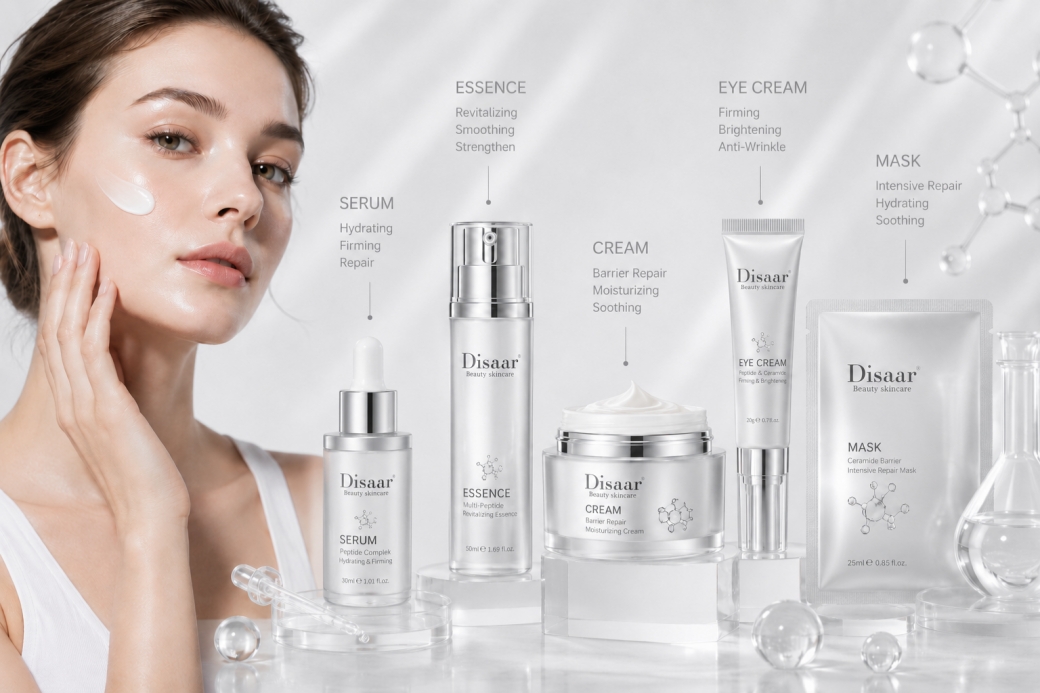
Medical-grade skincare products usually refer to skincare lines positioned with a more professional image, advanced active ingredient stories, and stronger formula logic.
In most beauty markets, these products do not possess therapeutic medical efficacy. It usually means the product is developed and presented with a more targeted, more technical, and more credible skincare concept.
A medical-grade positioned skincare product may focus on anti-aging, barrier repair, brightening appearance, hydration support, repair-inspired care, or clinic-inspired skincare positioning. The key is not only the ingredient name. Buyers also need to consider:
For example, a peptide serum can be positioned as an advanced anti-aging serum. A 5X ceramide cream can be positioned as a barrier repair product. A PDRN-inspired serum can be positioned as a premium repair concept. But these products should still be developed with realistic cosmetic claims, stable formulas, and clear usage directions.
In our experience, many buyers are first attracted by the phrase "medical-grade skincare" because it sounds professional and premium. But after real project discussion, what they actually need is: a product line that looks credible, feels effective, supports a better price point, and can be explained easily by their sales team.
For a deeper understanding of this category, you can also read our guide on what medical-grade skincare means for brand owners.
In many developing markets, the skincare category is becoming more competitive. Basic moisturizing, whitening, and cleansing products are easy to find, so new brands and distributors need stronger differentiation. Buyers with good channels are no longer satisfied with ordinary formulas and generic packaging. They want products that can support better pricing, stronger shelf presentation, and a more professional selling story.
This is why medical-grade positioned skincare is attractive for several types of buyers:
Buyer Type |
Why This Category Is Attractive |
Brand owners |
Helps build a more premium and professional skincare image |
Importers |
Creates differentiated products for local distributors |
Distributors |
Offers clearer selling points and better price potential |
Beauty salons |
Fits professional consultation and treatment-inspired routines |
Skin management channels |
Supports clinic-inspired skincare concepts |
E-commerce sellers |
Provides ingredient stories for content marketing |
In many developing markets, buyers are not always looking for the most complicated formula. They are looking for products that feel advanced, look professional, and can still be explained clearly to distributors, retailers, salon owners, and end customers.
This is why product directions such as barrier repair cream, anti-aging serum, brightening serum, repair mask, and clinic-inspired skincare sets are often more practical than overly niche formulas. They give the brand a professional image, but they are still easy enough for the market to understand.
For buyers who want to build a more professional skincare concept for salons, retail, or distributor channels, clinic-inspired skincare products for developing markets can be a strong direction to explore.
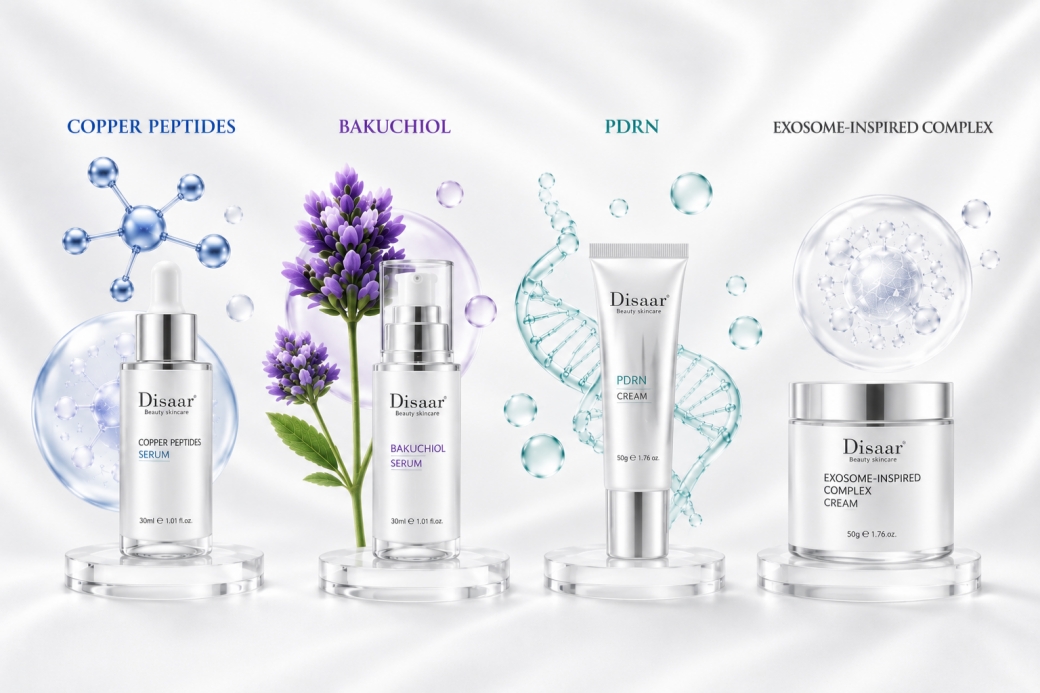
A strong ingredient concept should support a clear product direction. It should also match the target price level, packaging format, consumer education level, and sales channel.
Ingredient Concept |
Product Direction |
Buyer Value |
Suitable Channel |
Copper Peptides |
Anti-aging serum, firming cream, eye cream |
Strong anti-aging and premium repair story |
Beauty salons, premium retail, e-commerce brands |
Bakuchiol |
Gentle anti-aging serum, cream, lotion |
Retinol-alternative concept, suitable for gentle anti-aging positioning |
Retail brands, distributors, first anti-aging line |
PDRN |
Repair serum, repair mask, premium cream |
K-beauty-inspired repair concept, high perceived value |
Clinic-inspired channels, premium skincare brands |
Exosome-Inspired Complex |
Repair serum, anti-aging cream, clinic-inspired mask |
Technology-driven skincare story |
Professional skincare lines, salon channels |
5X Ceramide + Microbiome Balance |
Barrier repair cream, lotion, repair mask |
Strong daily-use SKU, repeat purchase potential |
Distributors, retailers, sensitive skin markets |
Niacinamide + Peptides |
Brightening serum, tone-evening cream |
Easier consumer understanding in developing markets |
Retail, e-commerce, distributor channels |
Panthenol + Centella + Ceramide |
Soothing cream, repair mask, post-treatment inspired product |
Good for calming and barrier support positioning |
Beauty salons, skincare clinics, sensitive skin lines |
After deciding the product direction, buyers need to choose the right supply model. Some buyers need mature formulas to test the market quickly. Others need customization development support to build a more differentiated skincare line.
Supply Model |
Best For |
Advantage |
Limitation |
Ready Stock / Wholesale |
Buyers testing demand quickly |
Lower MOQ, faster launch |
Limited customization |
Private Label |
Buyers building a brand with mature formulas |
Faster branding, lower development risk |
Less formula differentiation |
Customization |
Buyers with clear product concepts |
Custom formula, texture, packaging, positioning |
Longer development process |
If you are a distributor, you may begin with private-label products to test market response. If you are a brand owner with a clear product vision may go directly into custom development.
Before moving into sampling or production, buyers should ask practical questions about formula maturity, texture, packaging, MOQ, claim direction, and repeat order support.
Buyer Question |
Why It Matters |
Do you have mature formulas for this ingredient direction? |
Reduces development risk |
Can the texture be adjusted for cold or humid markets? |
Important for many developing markets |
Can the formula support the product claim direction? |
Avoids weak or unrealistic product positioning |
Can the packaging match the formula and active ingredient system? |
Reduces leakage, oxidation, and stability problems |
What MOQ is required for private label or OEM? |
Affects launch planning and budget |
Can you support samples before mass production? |
Helps buyers test texture and market response |
Can you help review label and claim direction? |
Reduces overclaiming risk |
Can you support repeat orders and multi-SKU production? |
Important for distributors and growing brands |
Before starting the medical-grade skincare products project, buyers should prepare basic information such as target market, price level, sales channel, preferred product type, packaging preference, and reference products. The manufacturer can then help turn these ideas into a workable skincare development plan.
Looking for medical-grade skincare products for your brand? Contact our team to discuss ingredient concepts, formula options, MOQ, packaging compatibility, samples, private label, and custom skincare development support.
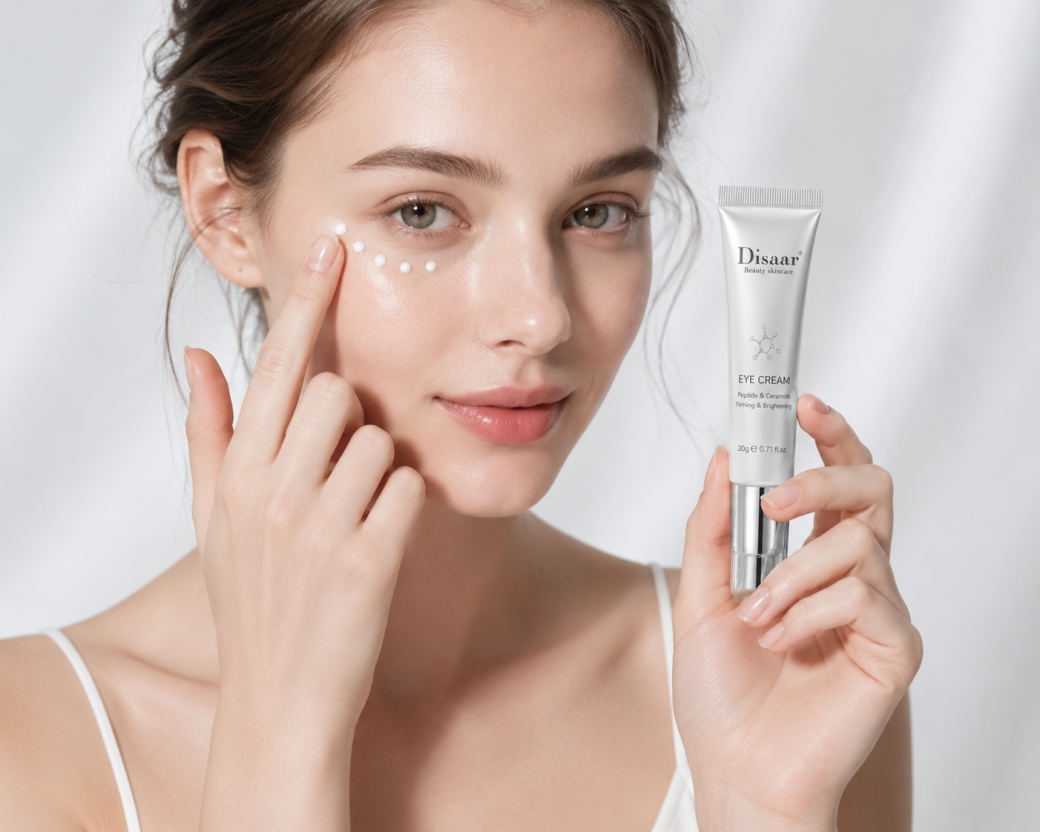
Buyers need to confirm whether the texture, stability, sensory experience, and production feasibility can support real market sales.
The ingredient direction should match the product goal. Anti-aging products may use peptides, Bakuchiol, PDRN-inspired concepts, or Exosome-Inspired Complex. Barrier repair products may use ceramides, panthenol, centella, prebiotics, or microbiome balance concepts. Brightening products may use niacinamide, peptides, and tone-evening ingredient systems.
A product should not try to carry too many stories at once. If the main direction is anti-aging, the formula should support that story clearly. A clear product concept is easier for buyers, distributors, and customers to understand.
Texture is also very important, especially in developing markets with hot or humid climates. A serum that feels too sticky may not work well in tropical regions.
Common texture directions include lightweight serum, rich repair cream, non-sticky lotion, fast-absorbing gel cream, nourishing mask texture, and smooth eye cream texture. The right choice depends on the product positioning and target channel.
Formula stability also needs attention. Buyers should discuss possible risks such as color change, odor change, separation, viscosity change, temperature stability, and storage performance.
Professional skincare products need consistency, especially for repeat orders.
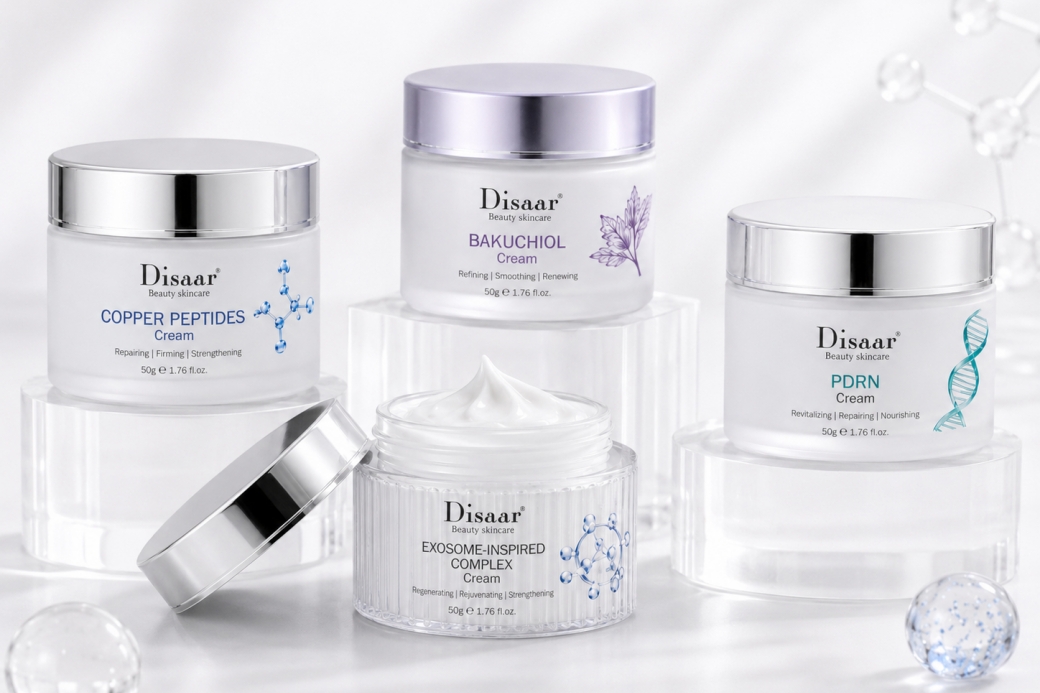
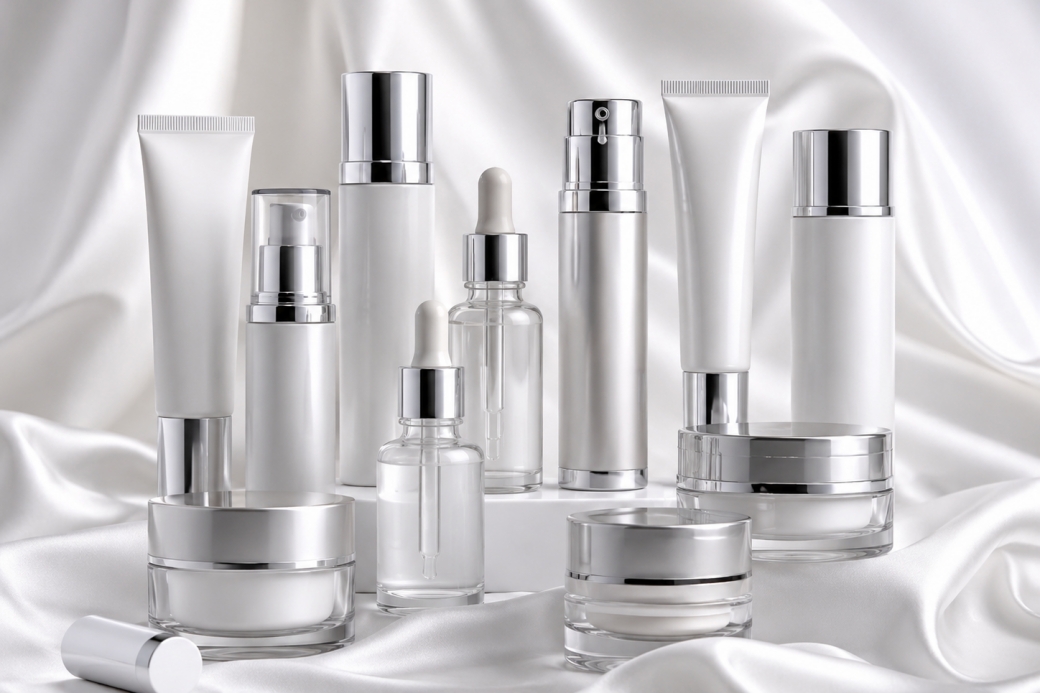
For medical-grade positioned skincare, packaging is not only decoration. It should match the formula viscosity, active ingredient system, filling method, storage condition, shipping risk, usage experience, and brand price level.
Packaging Type |
Suitable Products |
Compatibility Consideration |
Buyer Benefit |
Airless Bottle |
Serum, lotion, cream |
Better for formulas needing cleaner dispensing and stronger protection perception |
Professional image, premium feel |
Dropper Bottle |
Serum, oil-based formulas |
Suitable for lower-viscosity formulas, needs leakage and dosage review |
Premium visual, good for hero serum |
Tube |
Cream, cleanser, mask |
Practical for medium-viscosity products |
Cost-friendly, easy for retail and shipping |
Jar |
Repair cream, mask |
Suitable for richer textures, but hygiene perception should be considered |
Strong texture display, premium shelf look |
Pump Bottle |
Lotion, emulsion |
Needs viscosity and pump compatibility testing |
Clean usage, professional appearance |
Sachet or Trial Pack |
Mask, serum sample, travel-size products |
Good for sampling, but not all textures are suitable |
Supports market testing and promotion |
Packaging selection should also consider transportation, temperature, warehousing, leakage risk, and retail display.
Airless bottles are often suitable for serums and lotions with a more professional image. Dropper bottles can work well for hero serums, especially when the brand wants a premium look. Tubes are practical for creams, cleansers, and masks because they are easier to ship and often more cost-effective. Jars can show richer textures well.
As an experienced skincare manufacturer, we will help you to choose the best packaging to match formula compatibility, brand image, usage experience, and commercial practicality.
We also know that strong claims may be more attractive, but overclaiming can create market risk. Medical-grade positioned skincare products, the wording should stay within safer skincare positioning.
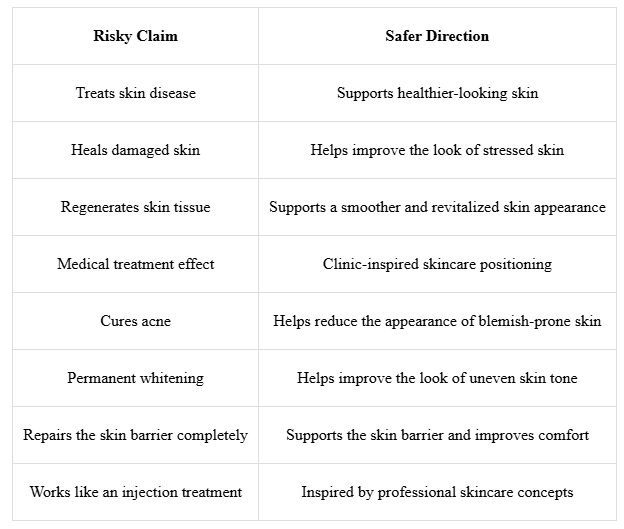
A better approach is to build product credibility through ingredient logic, formula texture, testing support, packaging quality, and safer cosmetic-positioning language. You can read more about this topic in our guide on skincare claims for medical-grade positioned products.
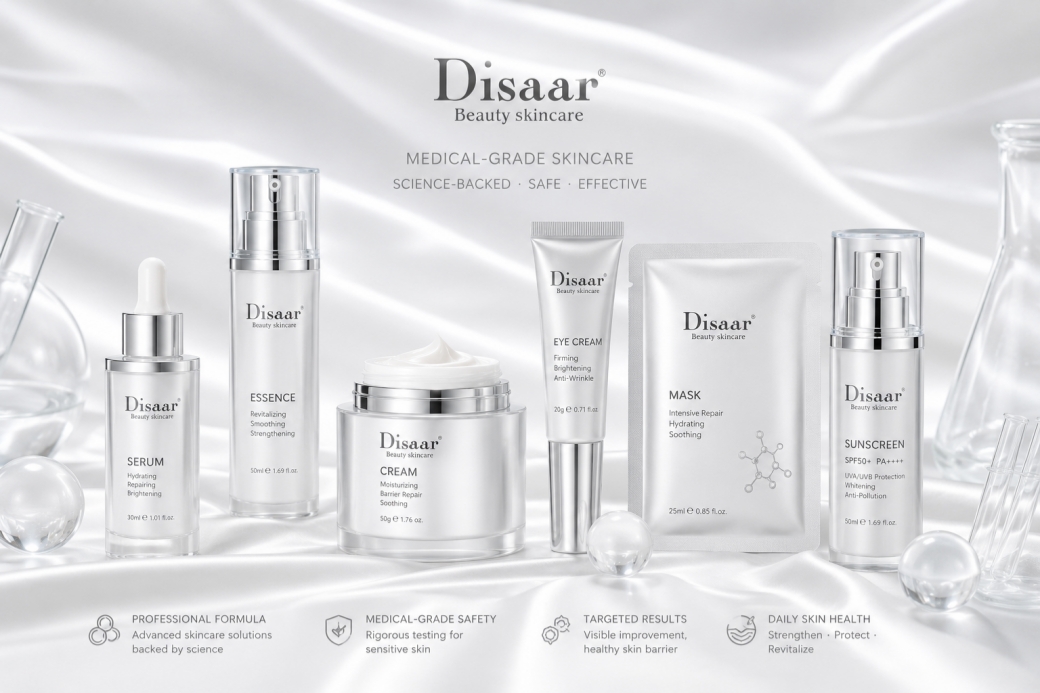
A reliable custom skincare manufacturer should help buyers connect ingredient trends with product direction, formula stability, packaging selection, claim wording, and repeatable production.
This support is especially important for buyers in developing markets. Many buyers understand their local channels very well, but they may need factory support to translate market needs into formula direction and SKU structure.
What Buyer Concern |
How Manufacturer Support |
I know the ingredient trend but not the right product direction |
Help turn ingredient concepts into practical skincare SKUs |
I want a professional skincare line but need market-fit formulas |
Recommend formula directions based on target market and channel |
I worry about texture and stability |
Support sample review, texture adjustment, and stability awareness |
I am not sure which packaging to use |
Match packaging with formula viscosity, active system, price level, and channel |
I need private label or OEM options |
Support mature formulas, branding, packaging, and custom development |
I want products suitable for distributors or clinics |
Help plan product format, MOQ, packaging, and positioning |
I worry about product claims |
Help review safer cosmetic claim directions before launch |
If you are evaluating suppliers, our medical-grade skincare manufacturer page explains how we support formula selection, private label projects, OEM ODM development, packaging matching, and production planning for professional skincare products.
Medical-grade positioned skincare can be a strong opportunity for brand owners, importers, distributors, and clinic-channel buyers who want to build a more professional skincare line. This category allows buyers to move beyond basic skincare and create products with stronger ingredient stories, better price positioning, and clearer channel value.
But success depends on practical planning. Copper Peptides, Bakuchiol, PDRN, Exosome-Inspired Complex, and 5X Ceramide are useful concepts, but they need to become stable formulas, clear product directions, suitable packaging, realistic claims, and market-ready supply plans.
For many buyers, the best starting point is not choosing every trending ingredient at once. It is better to choose a product direction that matches your market and channel. This may be an anti-aging serum, a barrier repair cream, a brightening serum, a repair mask, or a clinic-inspired skincare set.
The most important question is not only “What ingredient is hot now?” The better question is: “What product can my channel sell, explain, and reorder?”
If you are planning to develop medical-grade skincare products for your brand, our team can help you review ingredient concepts, formula directions, packaging compatibility, MOQ, samples, private label options, and OEM ODM production support.