EN
EN

سلسلة مستحضرات Disunie Double Essence Serum: فتح أفق الرحلة نحو تحويل فاخر للبشرة
2025/04/17
2026/05/09
في العديد من الأسواق النامية، أصبحت كريمات الترطيب الأساسية، ولوشنات التفتيح، وسيرومات الوجه البسيطة شائعةً بالفعل. أما المشترون الأقوى فقد بدأوا الآن يبحثون عن منتجات تُشعرهم بأنها أكثر احترافية، وتحمل قصص مكوناتٍ أوضح، وتدعم خطًا عالي القيمة للعناية بالبشرة. . لذلك، المنتجات الطبية للعناية بالبشرة تُعدّ اتجاهًا جذّابًا لملاك العلامات التجارية، والمستوردين، والموزعين، ومشتري القنوات السريرية.
وبصفتنا مصنِّعين للمنتجات الخاصة بالعناية بالبشرة، فإننا نلتقي في كثيرٍ من الأحيان بمشترين مهتمين بمكونات مثل ببتيدات النحاس، وباكوشيول، وحمض الريبونوكلييك المُستخلَص من الجلد (PDRN)، ومعقد مستوحى من الإكسوزومات، والسيراميد خماسي التركيز مع توازن الميكروبيوم . وتُشكِّل هذه المفاهيم نقاط انطلاق مفيدة، لكن السؤال الحقيقي هو ما إذا كان بالإمكان تحويل المفهوم إلى تركيبة مستقرة، ورمز SKU واضح، وشكل تغليف مناسب، ومنتج يمكن للموزعين أو العملاء فهمه بسهولة.
يوضّح هذا الدليل منتجات العناية بالبشرة الطبية من منظور المصنِّع، بما في ذلك اتجاهات المكونات، وتخطيط المنتجات، والعلامات التجارية الخاصة، وخيارات التصنيع حسب الطلب (OEM) والتصنيع حسب التصميم (ODM)، وتطوير الصيغ، وتوافق العبوات، والتحكم في الادعاءات، ودعم المصنّعين .
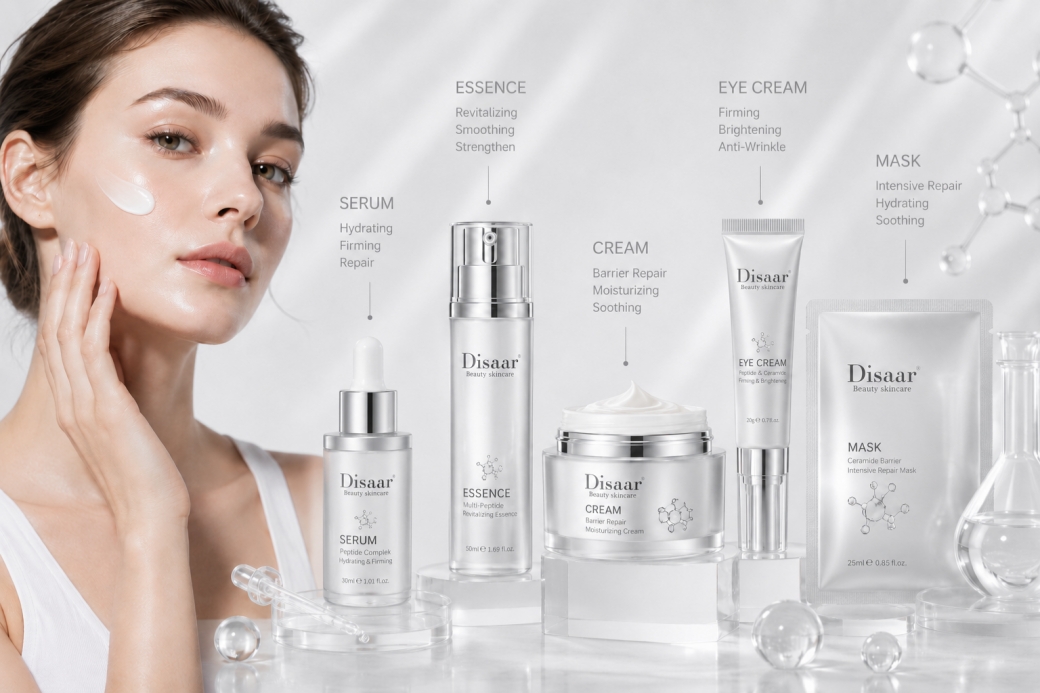
المنتجات الطبية التجميلية تشير عادةً إلى الخطوط التجميلية التي تُطرح في السوق بصورة أكثر احترافية، مع قصص متطورة حول المكونات الفعّالة، ومنطق صيغة أقوى .
في معظم أسواق الجمال، هذه المنتجات لا تمتلك فعالية علاجية طبية وهذا يشير عادةً إلى أن المنتج تم تطويره وتقديمه وفقًا لـ مفهوم تجميلي أكثر تركيزًا، وأكثر تقنية، وأكثر مصداقية .
قد تركز منتجات العناية بالبشرة ذات التموضع الطبي على مكافحة الشيخوخة، أو إصلاح الحاجز الجلدي، أو تفتيح المظهر، أو دعم الترطيب، أو العناية المستوحاة من عمليات الإصلاح، أو التموضع التسويقي المستوحى من العيادات التجميلية. والمفتاح لا يكمن فقط في اسم المكوِّن، بل يجب على المشترين أيضًا أخذ الأمور التالية في الاعتبار:
على سبيل المثال، يمكن تسويق سيروم الببتيدات باعتباره سيرومًا متطورًا لمكافحة الشيخوخة. ويمكن تسويق كريم السيراميد بتركيز ٥X باعتباره منتجًا لإصلاح الحاجز الجلدي. كما يمكن تسويق سيروم مستوحى من مادة الـPDRN باعتباره مفهوم إصلاح راقٍ. ومع ذلك، يجب أن تُطوَّر هذه المنتجات وفق ادعاءات تجميلية واقعية، وتركيبات مستقرة، وتوجيهات استخدام واضحة.
وبالاستناد إلى خبرتنا، ينجذب العديد من المشترين في البداية إلى عبارة «عناية جلدية طبية المستوى» لأنها تبدو احترافية وراقية. لكن بعد مناقشة المشروع الفعلي، ما يحتاجونه فعليًّا هو: خط منتجات يوحي بالمصداقية، ويُشعر المستخدمين بفعاليته، ويدعم سعرًا أفضل، ويمكن لفريق المبيعات شرحه بسهولة.
ولفهم أعمق لهذه الفئة، يمكنك أيضًا قراءة دليلنا حول ما تعنيه العناية الجلدية الطبية المستوى لملاك العلامات التجارية.
في العديد من الأسواق النامية، تزداد المنافسة في فئة المنتجات التجميلية. كما أصبح من السهل العثور على منتجات الترطيب الأساسية، والتبييض، والتنظيف، ولذلك تحتاج العلامات التجارية الجديدة والموزعون إلى تميُّز أقوى. أما المشترون أصحاب القنوات الجيدة فلا يكتفون بعد الآن بالصيغ العادية والعُلب العامة، بل يبحثون عن منتجات يمكنها دعم أسعار أفضل، وعرض أقوى على الأرفف، وسرد بيعي أكثر احترافية .
ولهذا السبب تكتسب منتجات العناية بالبشرة ذات الدرجة الطبية جاذبيةً لدى عدة أنواع من المشترين:
نوع المشتري |
لماذا تتمتع هذه الفئة بالجاذبية؟ |
أصحاب العلامات التجارية |
تساعد في بناء صورة أكثر فخامةً واحترافيةً لمنتجات العناية بالبشرة |
مستوردون |
توفر منتجات مُميَّزة لموزِّعي السوق المحلي |
الموزعين |
تقدم نقاط بيعٍ أوضح وإمكانات سعرية أفضل |
صالونات التجميل |
تناسب الروتينات المستوحاة من الاستشارات والعلاجات الاحترافية |
قنوات إدارة البشرة |
تدعم مفاهيم العناية بالبشرة المستوحاة من العيادات |
البائعون في التجارة الإلكترونية |
يقدّم قصص المكونات للتسويق بالمحتوى |
في العديد من الأسواق الناشئة، لا يبحث المشترون دائمًا عن الصيغة الأكثر تعقيدًا. بل يبحثون عن منتجات تبدو متطوّرة واحترافية في مظهرها، ويمكن شرحها بوضوحٍ للوكلاء والموزعين ومالكي صالونات التجميل والعملاء النهائيين.
ولهذا السبب، فإن توجيهات المنتجات مثل كريم إصلاح الحاجز الجلدي، وسيروم مكافحة الشيخوخة، وسيروم تفتيح البشرة، وقناع الإصلاح، ومجموعات العناية بالبشرة المستوحاة من العيادات، غالبًا ما تكون أكثر عمليةً من الصيغ الضيقة جدًّا. فهي تمنح العلامة التجارية صورة احترافية، ومع ذلك تبقى سهلة الفهم بالنسبة للسوق.
وبالنسبة للمشترين الراغبين في بناء مفهوم عناية بالبشرة أكثر احترافيةً لصالونات التجميل أو القنوات التجزئية أو قنوات التوزيع، فإن منتجات العناية بالبشرة المستوحاة من العيادات والملائمة للأسواق الناشئة قد تكون اتجاهًا قويًّا يستحق الاستكشاف.
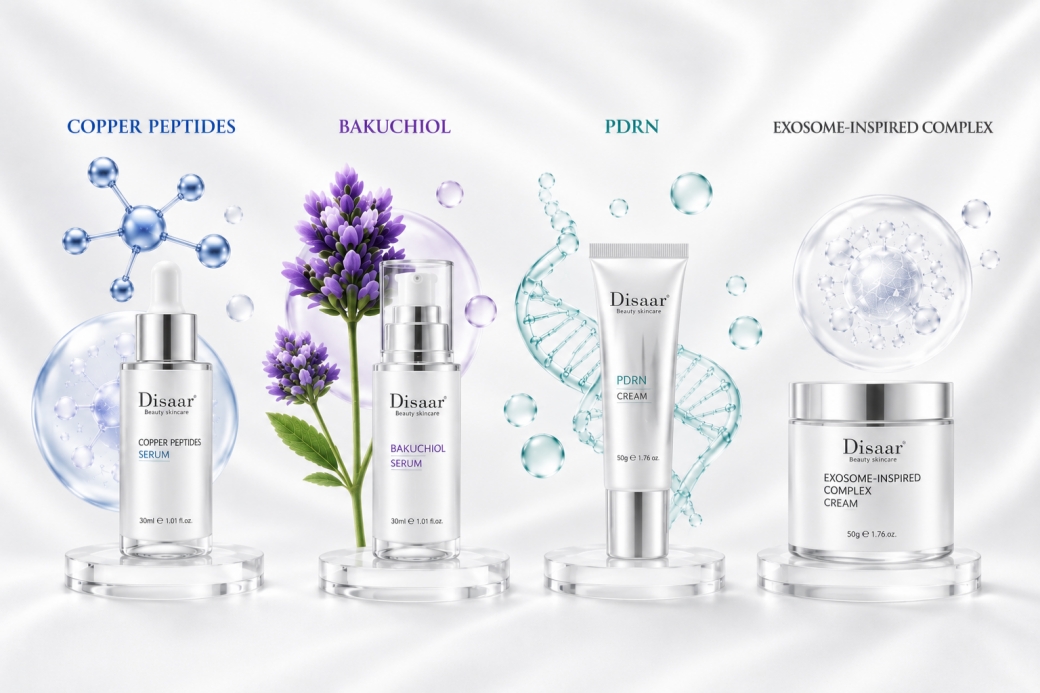
يجب أن يدعم مفهوم المكوّن القوي اتجاهًا منتجيًّا واضحًا. كما يجب أن يتوافق مع مستوى السعر المستهدف، وشكل التغليف، ومستوى تثقيف المستهلك، وقناة التوزيع.
مفهوم المكون |
اتجاه المنتج |
قيمة المشتري |
القناة المناسبة |
ببتيدات النحاس |
سيروم مكافح للشيخوخة، كريم مشدّد، كريم للعينين |
قصة قوية لمكافحة الشيخوخة وإصلاح فاخر |
صالونات التجميل، البيع بالتجزئة الفاخر، العلامات التجارية الإلكترونية |
البكوجيول |
سيروم لطيف لمكافحة الشيخوخة، كريم، لوشن |
مفهوم بديل للريتينول، مناسب لموقف مكافحة الشيخوخة اللطيف |
علامات تجارية تجزئة، موزّعون، أول خط لمكافحة الشيخوخة |
PDRN |
سيروم إصلاحي، قناع إصلاحي، كريم فاخر |
مفهوم إصلاح مستوحى من جمال كوريا، وقيمة مُدرَكة عالية |
قنوات مستوحاة من العيادات، وعلامات تجارية فاخرة للعناية بالبشرة |
معقد مستوحى من الإكزوزومات |
سيروم إصلاحي، وكريم مضاد للشيخوخة، وقناع مستوحى من العيادات |
قصة عناية بالبشرة مدفوعة بالتكنولوجيا |
خطوط احترافية للعناية بالبشرة، وقنوات صالونات التجميل |
خمسة أضعاف السيراميد + توازن الميكروبيوم |
كريم إصلاحي للحاجز الجلدي، ولوشن، وقناع إصلاحي |
وحدة تخزين قابلة للاستخدام اليومي بقوة، وإمكانية شرائها بشكل متكرر |
موزِّعون، وتجار تجزئة، وأسواق البشرة الحساسة |
نياسيناميد + ببتيدات |
سيروم مُفَضِّل للبشرة، كريم مُوحِّد للون البشرة |
تسهيل فهم المستهلك في الأسواق الناشئة |
التجزئة، التجارة الإلكترونية، قنوات الموزعين |
بانثينول + سنتيلا + سيراميد |
كريم مهدئ، قناع إصلاحي، منتج مستوحى من العناية بعد العلاج |
مناسب جدًّا لموضع التهدئة ودعم الحاجز الجلدي |
صالونات التجميل، عيادات العناية بالبشرة، خطوط منتجات البشرة الحساسة |
وبعد تحديد اتجاه المنتج، يحتاج المشترون إلى اختيار نموذج التوريد المناسب. فبعض المشترين يحتاجون إلى تركيبات ناضجة لاختبار استجابة السوق بسرعة، بينما يحتاج آخرون إلى دعمٍ في التطوير المخصص لبناء خط عناية بالبشرة أكثر تميُّزًا.
نموذج التوريد |
الأفضل لـ |
ميزة |
قيود |
متوفر في المخزون / بالجملة |
المشترون يختبرون الطلب بسرعة |
حد أدنى أقل للطلبية، وإطلاق أسرع |
تخصيص محدود |
علامة تجارية خاصة |
مشترون يبنون علامة تجارية باستخدام تركيبات ناضجة |
علامة تجارية أسرع، ومخاطر أقل في مرحلة التطوير |
تفاوت أقل في التركيبات |
تخصيص |
مشترون لديهم مفاهيم منتج واضحة |
تركيبة مخصصة، وقوام مخصص، وتغليف مخصص، وموقع تسويقي مخصص |
عملية تطوير أطول |
إذا كنتَ موزِّعًا، فقد تبدأ باستخدام منتجات العلامة الخاصة لاختبار استجابة السوق. أما إذا كنتَ صاحب علامة تجارية ولديك رؤية منتجية واضحة، فقد تنتقل مباشرةً إلى التطوير المخصص.
وقبل الانتقال إلى مرحلة أخذ العيّنات أو الإنتاج، ينبغي أن يطرح المشترون أسئلة عملية تتعلَّق بنضج التركيبة، والملمس، والتغليف، والكمية الدنيا للطلب (MOQ)، واتجاه الادعاءات التسويقية، ودعم الطلبات المتكررة.
سؤال المشتري |
لماذا هذا الأمر مهم |
هل لديكم تركيبات ناضجة لهذا الاتجاه المتعلق بالمكونات؟ |
يقلل من مخاطر التطوير |
هل يمكن ضبط القوام ليناسب الأسواق الباردة أو الرطبة؟ |
مهمٌ للعديد من الأسواق النامية |
هل يمكن للصيغة دعم الاتجاه المُعلن عنه للمنتج؟ |
يتجنب وضع المنتج في موقع ضعيف أو غير واقعي |
هل يمكن أن يتناسب التعبئة مع الصيغة ونظام المكونات الفعالة؟ |
يقلل من مشاكل التسرب والأكسدة وانعدام الاستقرار |
ما هو الحد الأدنى لكمية الطلب (MOQ) للعلامات الخاصة أو التصنيع حسب الطلب (OEM)؟ |
يؤثر على تخطيط الإطلاق والميزانية |
هل يمكنك تزويدنا بعينات قبل الإنتاج الضخم؟ |
يساعد المشترين على اختبار القوام واستجابة السوق |
هل يمكنك مساعدتنا في مراجعة الملصق والتوجيهات المتعلقة بالادعاءات؟ |
يقلل من خطر الإفراط في الادعاءات |
هل يمكنك دعم الطلبات المتكررة وإنتاج منتجات متعددة الأصناف (SKU)؟ |
أمرٌ بالغ الأهمية للموزِّعين والعلامات التجارية الناشئة |
قبل بدء مشروع منتجات العناية بالبشرة ذات الدرجة الطبية، يجب على المشترين إعداد المعلومات الأساسية مثل السوق المستهدفة ومستوى الأسعار وقناة المبيعات ونوع المنتج المفضل وتفضيلات التغليف والمنتجات المرجعية. وبعد ذلك، يمكن للمصنّع مساعدتهم في تحويل هذه الأفكار إلى خطة قابلة للتنفيذ لتطوير منتجات العناية بالبشرة.
هل تبحث عن منتجات عناية بالبشرة ذات الدرجة الطبية لعلامتك التجارية؟ اتصل بفريقنا لمناقشة مفاهيم المكونات وخيارات الصيغة والحد الأدنى لكمية الطلب (MOQ) وتوافق التغليف والعينات والعلامة الخاصة (Private Label) ودعم تطوير منتجات العناية بالبشرة المخصصة.
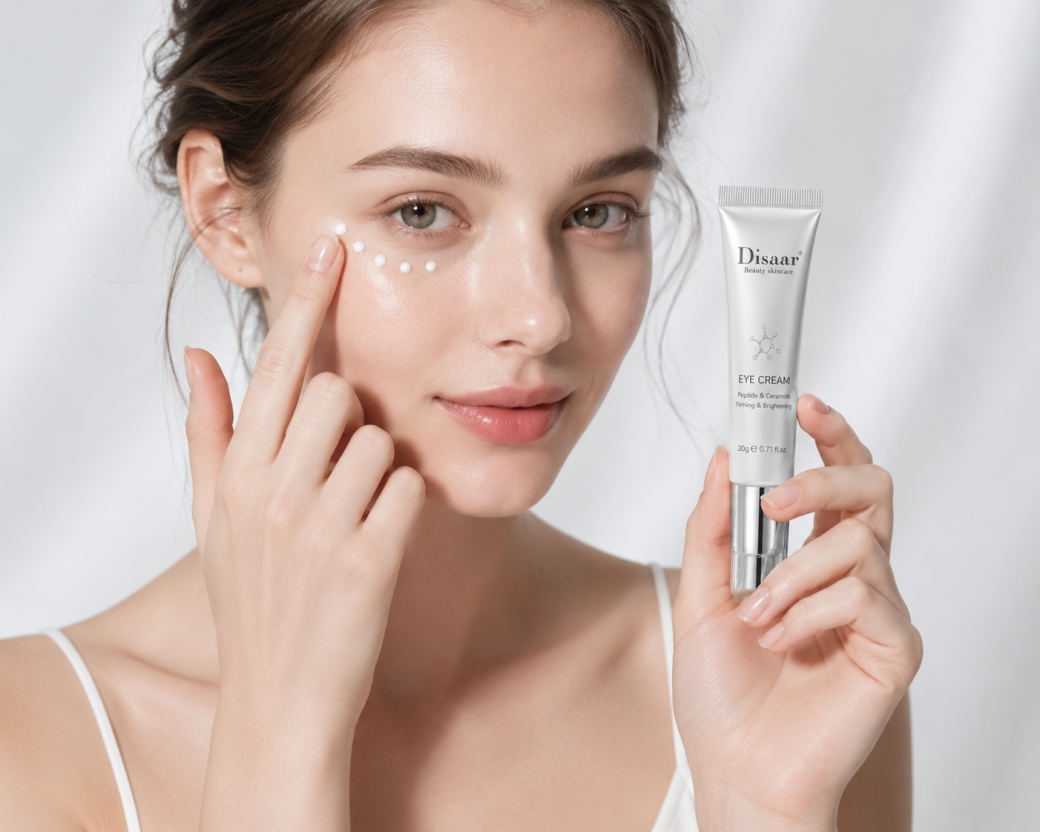
يجب على المشترين التأكد مما إذا كانت القوام والاستقرار والتجربة الحسية وإمكانية الإنتاج قادرةً على دعم المبيعات الفعلية في السوق.
يجب أن تتوافق اتجاهات المكونات مع الهدف المنشود من المنتج. فقد تستخدم منتجات مكافحة الشيخوخة الببتيدات أو مادة «باكوشول» أو مفاهيم مستوحاة من حمض الريبونوكليك المُستخرج من الحيوانات (PDRN) أو مركب مستوحى من الإكسوزومات. أما منتجات ترميم الحاجز الجلدي فقد تستخدم السيراميدات أو البانتينول أو نبات «السنتيلا» أو البريبايوتكس أو مفاهيم موازنة الميكروبيوم الجلدي. ومن ناحية أخرى، قد تستخدم منتجات التفتيح النياسيناميد أو الببتيدات أو أنظمة المكونات التي تُحقِّق توحيد لون البشرة.
لا ينبغي أن يحاول المنتج سردَ عددٍ كبيرٍ جدًّا من القصص في آنٍ واحد. فإذا كان الاتجاه الرئيسي هو مكافحة الشيخوخة، فيجب أن تدعم الصيغة هذه الرؤية بوضوح. وبالمثل، فإن مفهوم المنتج الواضح يسهل فهمه من قِبل المشترين والموزعين والعملاء.
الملمس مهمٌ جدًّا أيضًا، لا سيما في الأسواق الناشئة ذات المناخ الحار أو الرطب. فعلى سبيل المثال، قد لا تُحقِّق سيرومٌ يشعر المستخدم بأنه لزجٌ جدًّا أداءً جيدًا في المناطق الاستوائية.
تشمل الاتجاهات الشائعة للملمس: السيروم خفيف الوزن، والكريم المرمِّم الغني، واللوشن غير اللزج، وجيل الكريم سريع الامتصاص، وملمس القناع المغذّي، وملمس كريم العيون الناعم. ويتحدد الاختيار الأمثل وفقًا لموقع المنتج التسويقي والقناة المستهدفة.
كما يجب الانتباه إلى استقرار الصيغة. وينبغي على المشترين مناقشة المخاطر المحتملة مثل تغيُّر اللون، وتغيُّر الرائحة، والانفصال، وتغيُّر اللزوجة، واستقرار درجة الحرارة، وأداء التخزين.
تتطلَّب منتجات العناية بالبشرة الاحترافية الاتساق، وبخاصة في الطلبات المتكرِّرة.
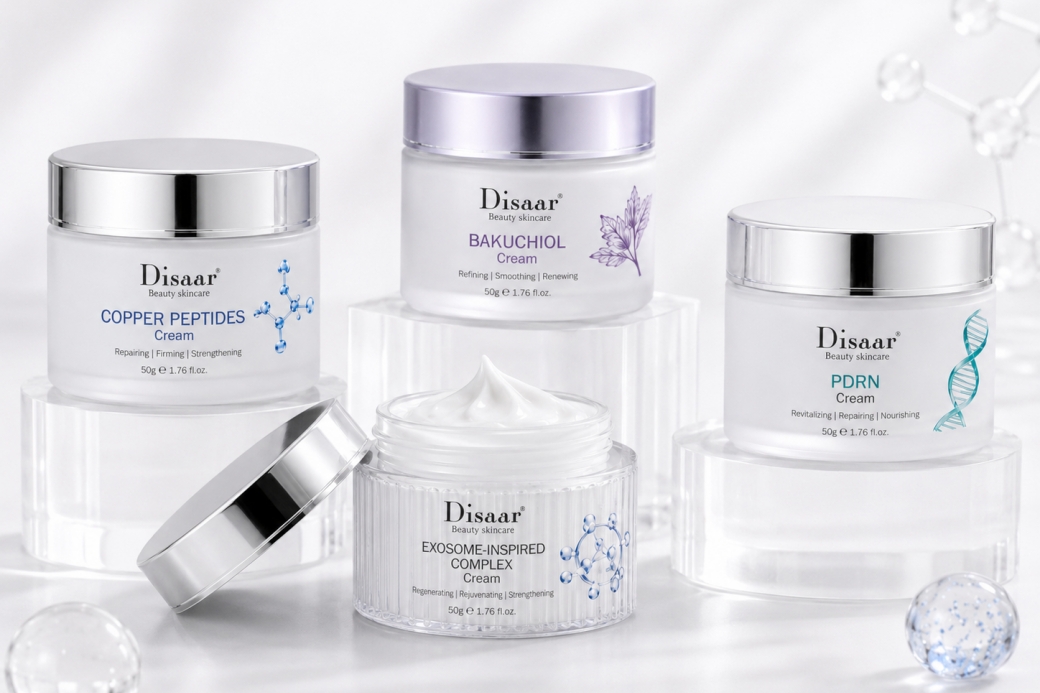
في حالة منتجات العناية بالبشرة ذات التموضع الطبي، لا يقتصر دور التغليف على كونه عنصر زينة فقط؛ بل يجب أن يتناسب مع لزوجة الصيغة، ونظام المكوِّنات الفعَّالة، وطريقة التعبئة، وظروف التخزين، ومخاطر الشحن، وتجربة الاستخدام، ومستوى سعر العلامة التجارية.
نوع التغليف |
المنتجات المناسبة |
اعتبارات التوافق |
الفائدة للمشتري |
زجاجة بلا هواء |
سيروم، لوشن، كريم |
أنسب للصيغ التي تتطلب توزيعًا أنظف وإحساسًا أقوى بالحماية |
صورة احترافية، إحساس فاخر |
زجاجة قطارة |
سيروم، صيغ قائمة على الزيوت |
مناسب للتركيبات ذات اللزوجة المنخفضة، ويحتاج إلى مراجعة التسرب وكمية الجرعة |
مظهر فاخر، مناسب لمصل رئيسي |
أنبوب |
كريم، منظف، قناع |
عملي للمنتجات متوسطة اللزوجة |
منخفض التكلفة، سهل التوزيع في المتاجر والشحن |
جرة |
كريم إصلاحي، قناع |
مناسب للقوام الأغنى، لكن يجب أخذ الانطباع الخاص بالنظافة في الاعتبار |
يُبرز القوام بقوة، ومظهر فاخر على الرفوف |
زجاجة مضخة |
لotion، مستحلب |
يتطلب اختبار اللزوجة وتوافق المضخة |
استخدام نظيف، ومظهر احترافي |
عبوة فردية أو عبوة تجريبية |
قناع، عينة سيروم، منتجات بحجم سفر |
مناسبة للعينات، لكنها ليست مناسبة لجميع القوام |
تدعم اختبار السوق والترويج |
يجب أن تأخذ عملية اختيار التغليف أيضًا في الاعتبار عوامل النقل ودرجة الحرارة والتخزين والمخاطر المحتملة للتسرب وعرض المنتج في نقاط البيع.
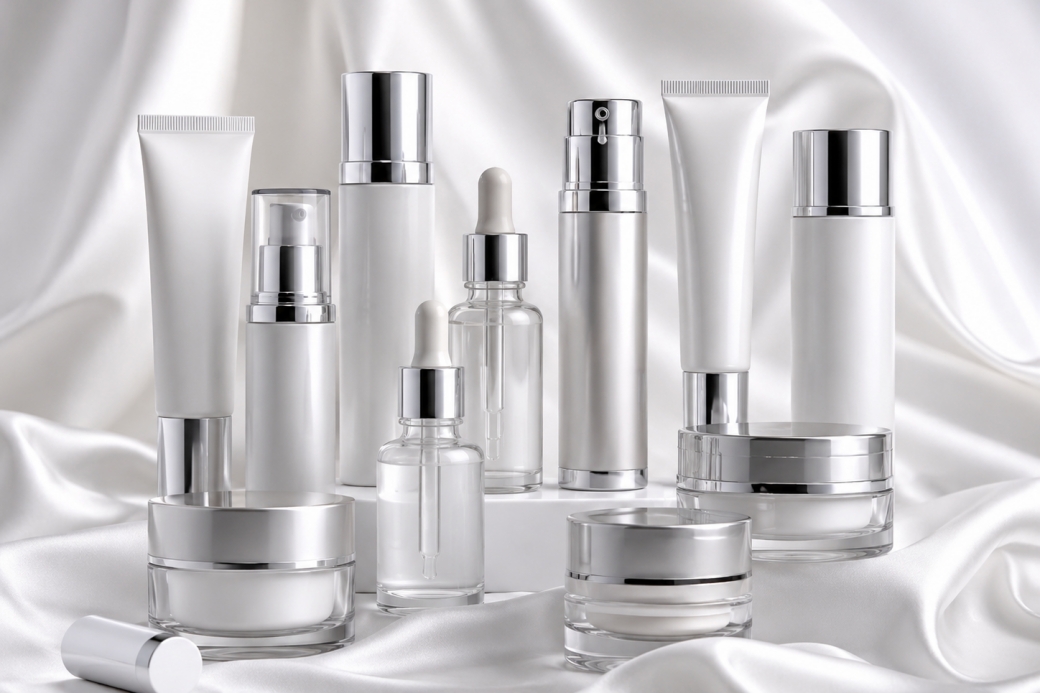
غالبًا ما تكون الزجاجات الخالية من الهواء مناسبة للسيروم واللوشن التي تحمل صورةً أكثر احترافيةً. ويمكن أن تكون الزجاجات المزودة بقطرات فعّالة جدًّا للسيروم الرئيسي، لا سيما عندما تسعى العلامة التجارية إلى إبراز مظهرٍ فاخرٍ. أما الأنابيب فهي عمليةٌ جدًّا لمستحضرات الكريمات ومنظفات الوجه والأقنعة لأنها أسهل في الشحن وغالبًا ما تكون أكثر كفاءة من حيث التكلفة. أما الجرار فقد تُبرز قوام المستحضرات الغنية بشكلٍ أفضل.
وبصفتنا شركةً مصنِّعةً خبيرةً في مجال منتجات العناية بالبشرة، سنساعدك في اختيار أفضل تغليفٍ يتوافق مع تركيبة المنتج وصورة العلامة التجارية وتجربة الاستخدام والجدوى التجارية.
كما ندرك أن الادعاءات القوية قد تكون أكثر جاذبيةً، لكن المبالغة في الادعاءات قد تخلق مخاطر سوقيةً. ولذلك، يجب أن تبقى الصياغة الخاصة بمنتجات العناية بالبشرة ذات التصنيف الطبي ضمن إطار التصنيف الآمن للعناية بالبشرة.
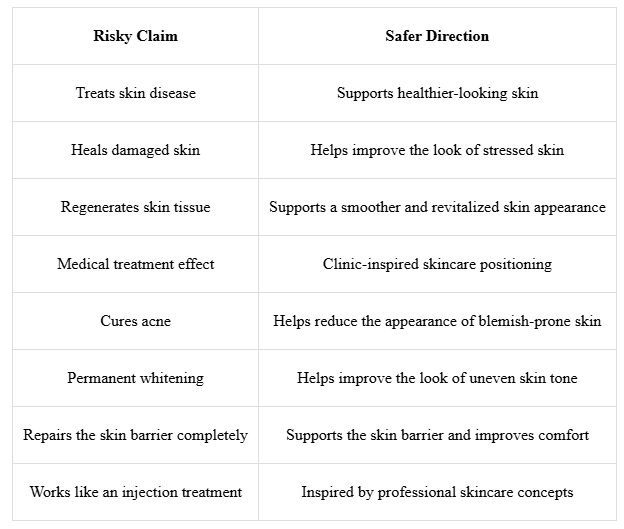
إن النهج الأفضل هو بناء مصداقية المنتج من خلال منطق المكونات، وقوام الصيغة، والدعم المقدَّم من الاختبارات، وجودة التغليف، واستخدام لغة ترويجية تُركِّز على السلامة في مجال مستحضرات التجميل. ويمكنك الاطلاع على مزيد من المعلومات حول هذا الموضوع في دليلنا الخاص بالادعاءات التسويقية المتعلقة بمنتجات العناية بالبشرة ذات التصنيف الطبي.
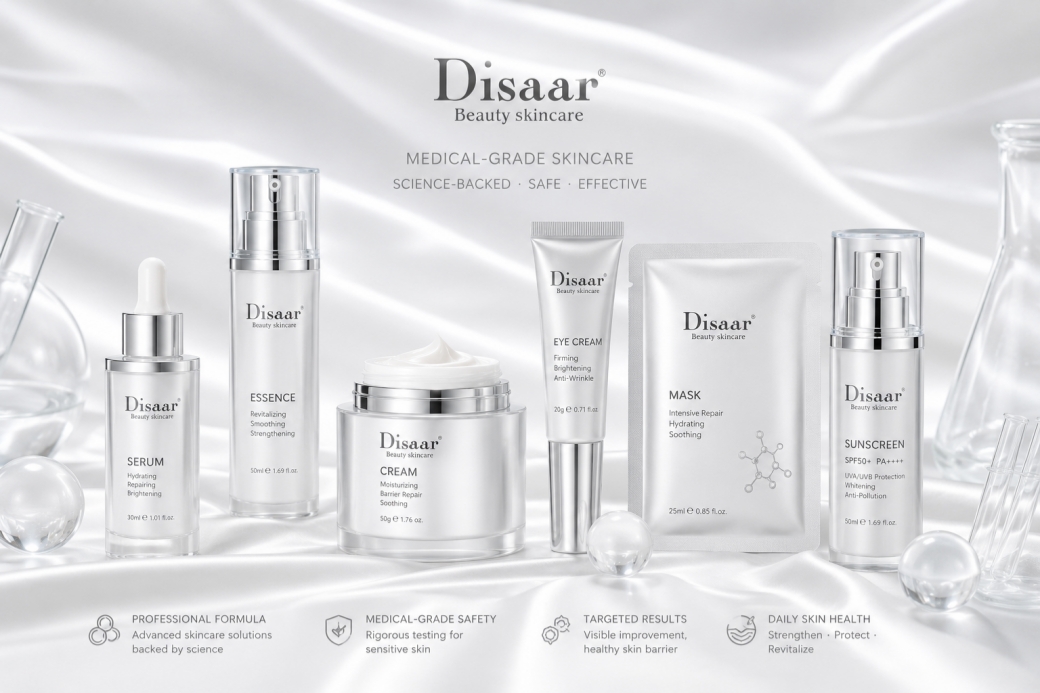
وينبغي أن يساعد مصنِّع مستحضرات العناية بالبشرة الموثوق به المشترين في ربط اتجاهات المكونات بتوجُّه المنتج، واستقرار الصيغة، واختيار التغليف، وصياغة الادعاءات التسويقية، والإنتاج المتكرر والموثوق.
وهذا الدعم يكتسب أهمية خاصةً بالنسبة للمشترين في الأسواق الناشئة. فكثيرٌ من هؤلاء المشترين يمتلكون فهمًا عميقًا لقنوات التوزيع المحلية لديهم، لكنهم قد يحتاجون إلى دعم من المصنع لترجمة احتياجات السوق إلى توجُّه صيغة معينة وهيكل للوحدات المخزنية (SKU).
ما الذي يثير قلق المشتري؟ |
كيف يقدّم المصنّع الدعم؟ |
أعرف اتجاهات المكونات، لكنني لا أعرف الاتجاه الصحيح للمنتج |
المساعدة في تحويل مفاهيم المكونات إلى وحدات منتجات العناية بالبشرة العملية |
أريد خط عناية بالبشرة احترافيًا، لكنني بحاجة إلى تركيبات تتناسب مع السوق |
توصية توجيهات الصيغة بناءً على السوق المستهدفة والقناة التوزيعية |
أنا قلقٌ بشأن القوام والاستقرار |
دعم مراجعة العينات، وضبط القوام، والتوعية باستقرار الصيغة |
لستُ متأكدًا من نوع التغليف الذي ينبغي استخدامه |
مطابقة التغليف مع لزوجة الصيغة، والنظام النشط، ومستوى السعر، والقناة التوزيعية |
أحتاج إلى خيارات العلامة الخاصة أو التصنيع حسب الطلب (OEM) |
دعم صيغ ناضجة، ووضع العلامات التجارية، والتغليف، والتطوير المخصص |
أريد منتجات مناسبة للموزِّعين أو العيادات الطبية |
المساعدة في تخطيط شكل المنتج، والكمية الدنيا للطلب (MOQ)، والتغليف، والموقع التنافسي |
أنا قلقٌ بشأن الادعاءات المتعلقة بالمنتج |
المساعدة في مراجعة إرشادات الادعاءات المتعلقة بسلامة مستحضرات التجميل قبل الإطلاق |
إذا كنت تقيّم الموردين، فإن صفحة الشركة المصنعة لمستحضرات التجميل الطبية توضح كيفية دعمنا لاختيار الصيغ، ومشاريع العلامات الخاصة، وتطوير منتجات حسب الطلب (OEM) أو حسب التصميم (ODM)، وتناسق العبوات، وتخطيط الإنتاج لمنتجات العناية بالبشرة الاحترافية.
يمكن أن تُشكّل مستحضرات التجميل الطبية فرصة قوية لأصحاب العلامات التجارية، والمستوردين، والموزعين، ومشتري القنوات السريرية الذين يرغبون في بناء خط عناية بالبشرة أكثر احترافية. ويسمح هذا التصنيف للمشترين بالانتقال ما وراء مستحضرات العناية الأساسية لإنشاء منتجات ذات قصص مكوّنات أقوى، ومواقع سعرية أفضل، وقيمة قناة توزيع أوضح.
لكن النجاح يتوقف على التخطيط العملي. فببتيدات النحاس، وباكوشيول، وبروتينات الترميم المشتقة من المشيمة (PDRN)، والمعقد المستوحى من الإكزوسومات، والسيراميد بتركيز خمسة أضعاف هي مفاهيم مفيدة، لكنها تحتاج إلى أن تتحول إلى صيغ مستقرة، وتوجيهات منتج واضحة، وعبوات مناسبة، وادعاءات واقعية، وخطط توريد جاهزة للسوق.
للكثير من المشترين، أفضل نقطة بداية ليست اختيار كل المكونات الرائجة دفعة واحدة. بل من الأفضل اختيار اتجاه منتج يتوافق مع سوقك وقناتك التوزيعية. وقد يكون هذا الاتجاه سيرومًا لمكافحة الشيخوخة، أو كريمًا لإصلاح الحاجز الجلدي، أو سيرومًا لتفتيح البشرة، أو قناعًا إصلاحيًّا، أو مجموعة عناية بالبشرة مستوحاة من العيادات.
السؤال الأهم ليس فقط: «ما المكوِّن الذي يحظى بشعبية كبيرة حاليًّا؟» بل السؤال الأفضل هو: «ما المنتج الذي يمكن لقناتك التوزيعية بيعه وشرحه وإعادة طلبه؟»
إذا كنت تخطط لتطوير منتجات عناية بالبشرة ذات جودة طبية لعلامتك التجارية، فإن فريقنا يمكنه مساعدتك في مراجعة مفاهيم المكونات، واتجاهات التركيبات، وتوافق العبوات، والكمية الدنيا للطلب (MOQ)، والعينات، وخيارات التصنيع الخاص (Private Label)، ودعم الإنتاج حسب الطلب (OEM) أو التصنيع حسب التصميم (ODM).
2025/03/14