EN
EN


Disunie Double Essence Serum Series: Unlocking the journey of luxurious skin transformation
2025/04/17
2026/09/17
For importers, distributors, and private-label teams, a moisturizer for dry skin should be selected as part of a focused product range, not as a generic facial-care SKU. Dry-skin shoppers often look for a product concept that signals richer care, seasonal relevance, or a more protective sensory profile. For buyers, the commercial task is to turn those expectations into a clear formula brief, packaging direction, and assortment role that can be communicated consistently across channels.
A dry-skin range needs more than a standard moisturizer with different front-label wording. The selected concept should give distributors and retailers a credible reason to position it differently from lighter everyday facial care: for example, as a richer cream format, a cold-season offer, a fragrance-conscious option, or a premium extension within the line.
Before sampling, define the destination market, sales channel, price tier, preferred pack size, fragrance direction, and the product’s role in the existing facial-care assortment. These choices matter especially for dry-skin products because they determine whether the final SKU feels distinct on shelf and in product communication rather than duplicating another moisturizer in the range.
| Decision factor | What to define for a dry-skin range | Why it matters for buyers | Best for |
|---|---|---|---|
| Range position | Core daily hydration, seasonal rich care, or a premium dry-skin extension | Prevents similar moisturizers from competing for the same shelf role | Creating a clear product ladder |
| Formula direction | Desired sensory profile, fragrance approach, and product information boundaries | Keeps the supplier discussion tied to the intended market position | Relevant sample selection and product communication |
| Packaging direction | Tube, jar, or other format appropriate for the planned presentation and channel | Links the user experience and shelf presence to the price tier | Retail, online, gift, or premium-format programs |
| Portfolio relationship | How the dry-skin SKU differs from cleansers, serums, and other face creams | Gives sales teams a simple, non-overlapping story | Coordinated facial-care collections |
The goal is not to prescribe one texture for every market. It is to confirm that the formula direction, packaging, and product story work together for a dry-skin offer. Buyers should review supplier documentation, sample performance, packaging compatibility, and destination-market requirements together before approving a concept.
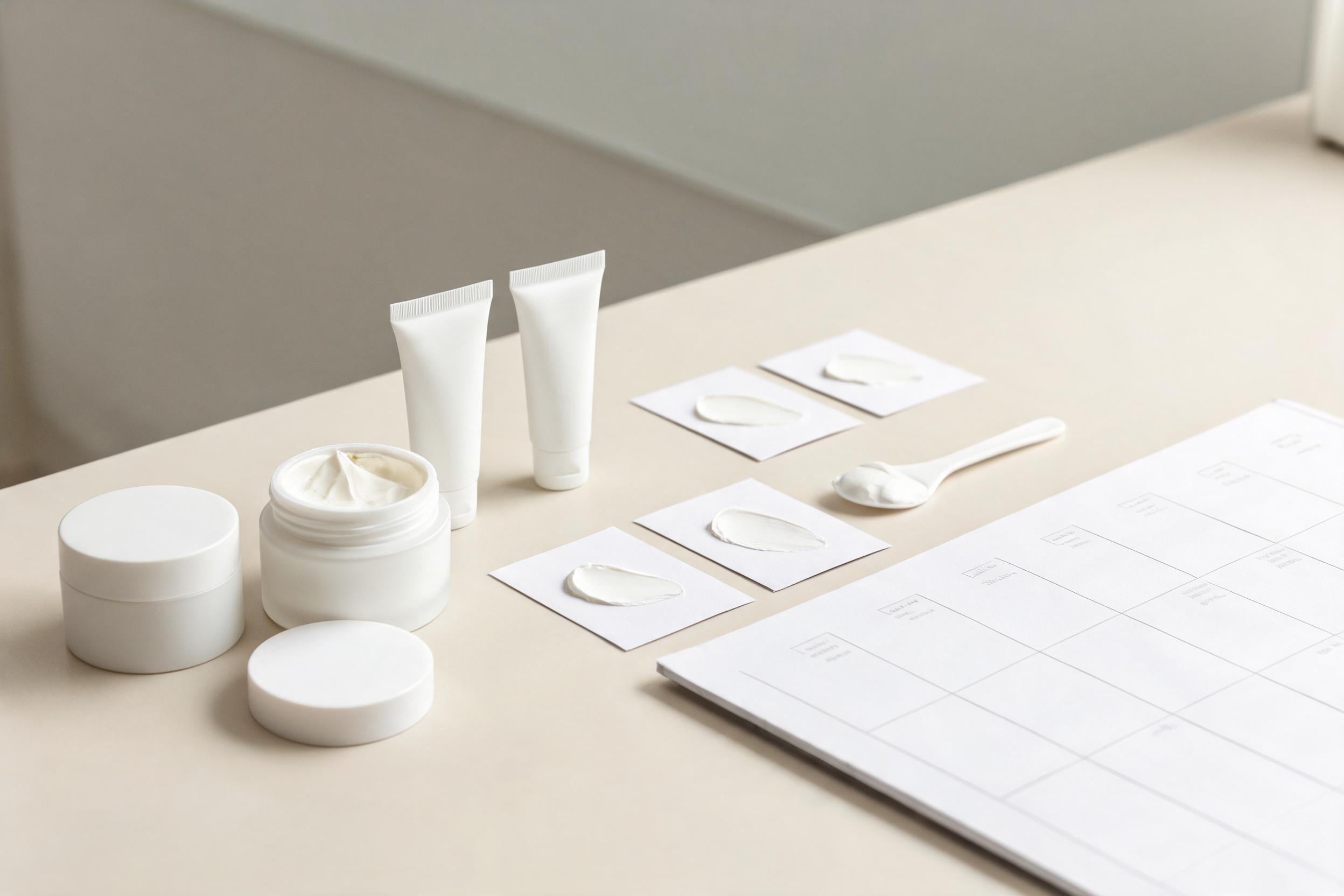
Sample review should test whether a concept supports the specific dry-skin role planned for the range, such as a seasonal rich-care cream or a premium extension. The review should confirm that the proposed formula direction, pack, and product presentation consistently reinforce that role, rather than making the SKU look like a general moisturizer with revised wording.
Many projects can begin with one well-positioned dry-skin face cream rather than multiple overlapping SKUs. Add a second moisturizer only when it has a separate commercial purpose, such as a different seasonal position, package tier, sales channel, or fragrance direction. This keeps the range easier for distributors to present and easier for retailers to merchandise.
When selecting a format, buyers can review the site’s face cream product category as a starting point for comparing available presentation directions. Final suitability should still be assessed against complete product information, packaging requirements, and the needs of the intended market.
A focused request helps suppliers recommend concepts that genuinely fit a dry-skin program. Identify the dry-skin position first—such as seasonal rich care, fragrance-conscious care, or a premium cream tier—then share the target market, price segment, preferred package format, launch channel, and approximate purchase plan. This gives the supplier the context needed to recommend options that protect the product line’s dry-skin differentiation.
If you are considering distribution or private-label development after defining the range, the distribution and private-label cooperation page offers a next step for discussion.