EN
EN



Disunie Double Essence Serum Series: Unlocking the journey of luxurious skin transformation
2025/04/17
2026/01/05
The beauty industry has witnessed a remarkable shift toward natural skin care products as consumers increasingly prioritize health-conscious choices for their daily routines. This transition reflects a growing awareness of how synthetic chemicals and harsh ingredients can negatively impact skin health over time. Natural skin care products offer a gentler, more sustainable approach to achieving healthy, radiant skin while minimizing exposure to potentially harmful substances. Understanding the benefits and science behind these products can help individuals make informed decisions about their skincare regimen.
Natural skin care products harness the power of botanical extracts, essential oils, and plant-based compounds that have been used for centuries in traditional medicine. These ingredients contain bioactive molecules such as antioxidants, vitamins, and minerals that work synergistically to nourish and protect the skin. Research has shown that many plant extracts possess anti-inflammatory, antimicrobial, and regenerative properties that can address various skin concerns effectively. The molecular structure of natural compounds often allows for better absorption and compatibility with the skin's natural barrier function.
Scientific studies have demonstrated that natural ingredients like vitamin C from botanical sources, green tea extracts, and chamomile can provide significant therapeutic benefits without the harsh side effects associated with synthetic alternatives. These compounds work at the cellular level to promote collagen synthesis, reduce oxidative stress, and support the skin's natural healing processes. The complexity of natural formulations creates a multi-faceted approach to skincare that addresses multiple concerns simultaneously rather than targeting isolated symptoms.
Recent dermatological research has highlighted the importance of maintaining a healthy skin microbiome for optimal skin function and appearance. Natural skin care products support the delicate balance of beneficial bacteria on the skin's surface by avoiding harsh preservatives and synthetic chemicals that can disrupt this ecosystem. The microbiome plays a crucial role in maintaining skin pH, protecting against harmful pathogens, and supporting the skin's barrier function. When this balance is maintained, the skin appears healthier, more resilient, and naturally radiant.
Prebiotics and probiotics found in many natural formulations help nourish and strengthen the skin's microbiome, leading to improved skin texture and reduced sensitivity. This biological approach to skincare represents a paradigm shift from the traditional focus on external treatment to supporting the skin's inherent ability to maintain and repair itself. The long-term benefits of this approach include reduced inflammation, improved moisture retention, and enhanced protection against environmental stressors.

One of the most significant advantages of natural skin care products is the dramatic reduction in exposure to potentially harmful synthetic chemicals. Conventional skincare often contains parabens, sulfates, phthalates, and other synthetic preservatives that can accumulate in the body over time and potentially cause hormonal disruption. Natural alternatives use plant-based preservatives and gentle cleansing agents that maintain product stability without compromising health. This reduction in chemical load is particularly beneficial for individuals with sensitive skin or those prone to allergic reactions.
The gentler nature of natural formulations makes them suitable for all skin types, including those with conditions like eczema, rosacea, or dermatitis. Many users report significant improvements in skin sensitivity and irritation after switching to natural products. The absence of harsh chemicals allows the skin to function more naturally, reducing the likelihood of contact dermatitis and other adverse reactions that can occur with synthetic ingredients.
Natural skin care products deliver essential nutrients directly to the skin through carefully selected botanical ingredients rich in vitamins, minerals, and antioxidants. These nutrients work together to support cellular regeneration, collagen production, and overall skin vitality. Vitamin C from natural sources, for example, provides superior bioavailability compared to synthetic versions, leading to more effective brightening and anti-aging results. The synergistic effect of multiple natural compounds creates a comprehensive nutritional profile that supports optimal skin function.
The bioactive compounds found in natural ingredients often work more effectively than isolated synthetic components because they include co-factors and supporting molecules that enhance absorption and efficacy. This holistic approach to skin nutrition helps address the root causes of skin concerns rather than merely masking symptoms. Regular use of nutrient-rich natural skin care products can lead to visible improvements in skin texture, tone, and overall radiance.
The production of natural skin care products typically involves more sustainable and environmentally conscious practices compared to conventional beauty manufacturing. These products often utilize renewable plant resources, biodegradable ingredients, and packaging materials that minimize environmental impact. Many natural skincare brands prioritize organic farming methods that avoid harmful pesticides and chemicals, supporting soil health and biodiversity. This commitment to sustainability extends beyond the product itself to encompass the entire supply chain and manufacturing process.
Sustainable sourcing practices ensure that botanical ingredients are harvested responsibly without depleting natural resources or harming local ecosystems. Many companies working with natural skin care products also support fair trade initiatives that benefit farming communities and promote ethical business practices. This holistic approach to sustainability creates a positive impact that extends far beyond individual skincare routines to support global environmental health.
Natural skincare formulations are inherently more biodegradable than their synthetic counterparts, reducing the environmental burden when products are washed down drains or disposed of improperly. Plant-based ingredients break down naturally without leaving harmful residues in waterways or soil systems. This environmental compatibility is particularly important given the billions of skincare products used globally each year and their potential cumulative impact on ecosystems.
Progressive natural skincare companies are also pioneering innovative packaging solutions using recycled materials, compostable containers, and refillable systems that further reduce waste. These initiatives reflect a growing awareness of the beauty industry's environmental responsibility and demonstrate how natural skin care products can lead the way toward more sustainable consumption patterns. The alignment between personal health and environmental stewardship makes natural skincare an attractive choice for conscious consumers.
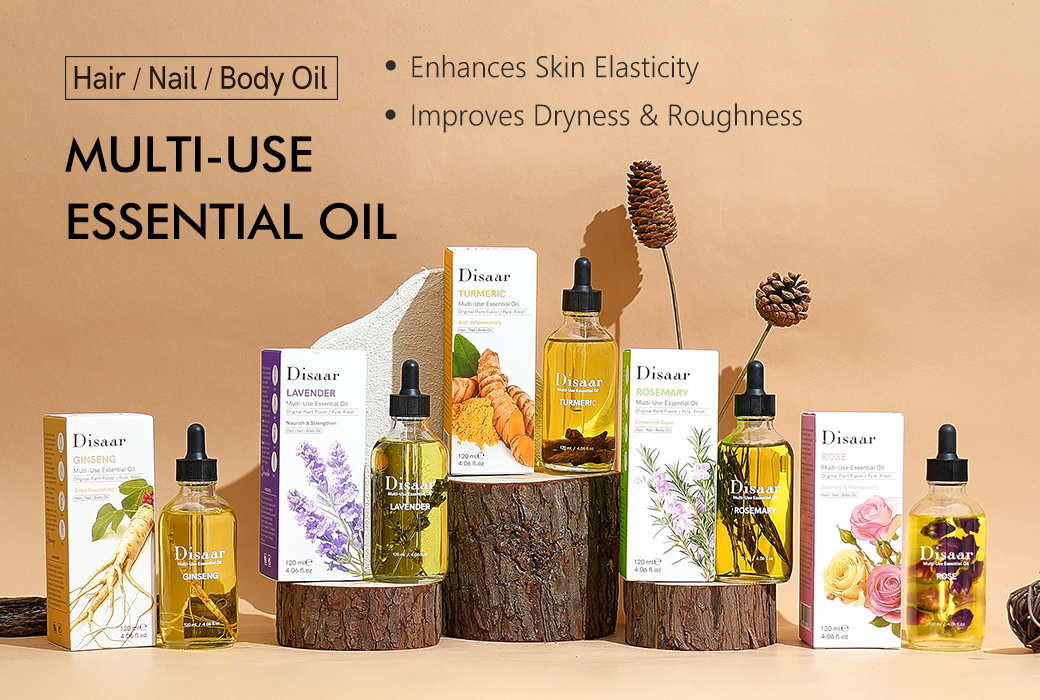
Choosing effective natural skin care products requires understanding how different botanical ingredients interact with various skin types and conditions. Oily skin benefits from ingredients like tea tree oil, witch hazel, and clay-based formulations that help regulate sebum production without over-drying. Dry skin responds well to natural oils such as jojoba, argan, and rosehip, which provide deep hydration while supporting the skin barrier. Sensitive skin types should focus on gentle, hypoallergenic ingredients like chamomile, aloe vera, and calendula that soothe irritation and reduce inflammation.
The key to successful natural skincare lies in understanding the active compounds within each ingredient and how they address specific skin concerns. For example, natural exfoliants like fruit enzymes provide gentler cell turnover compared to harsh synthetic acids, while antioxidant-rich ingredients like green tea and vitamin E help protect against environmental damage. Building a routine with complementary natural ingredients creates synergistic effects that enhance overall skin health and appearance.
Even though natural skin care products are generally gentler than synthetic alternatives, proper introduction protocols remain essential for optimal results and safety. Patch testing new products on a small area of skin helps identify potential sensitivities before full application. This precautionary step is particularly important when using products containing potent botanical extracts or essential oils that may cause reactions in sensitive individuals. Starting with lower concentrations and gradually increasing usage allows the skin to adapt to new ingredients effectively.
The gradual introduction approach also helps users observe how their skin responds to different natural ingredients over time, enabling them to customize their routine based on individual needs and preferences. Many natural skin care products require consistent use over several weeks to demonstrate their full benefits, as they work with the skin's natural processes rather than providing immediate but temporary results. This patience-based approach often leads to more sustainable and long-lasting improvements in skin health.
The long-term use of natural skin care products often produces cumulative benefits that become more apparent over months and years of consistent application. Unlike synthetic products that may provide immediate but superficial results, natural formulations work gradually to improve skin function at the cellular level. Users frequently report improvements in skin texture, reduced fine lines, more even skin tone, and enhanced natural radiance after extended use of quality natural products. These improvements reflect the skin's enhanced ability to maintain and repair itself when supported by appropriate nutrition and care.
The anti-aging benefits of natural skin care products stem from their ability to support collagen production, improve cellular turnover, and protect against oxidative damage through antioxidant activity. Regular use of natural formulations helps maintain skin elasticity and firmness while preventing premature aging caused by environmental stressors. The holistic approach of natural skincare addresses multiple aspects of skin health simultaneously, leading to comprehensive improvements that continue to develop over time.
Natural skin care products excel in prevention and maintenance applications, helping to preserve skin health and prevent future damage before problems become visible. The antioxidant properties of many natural ingredients provide ongoing protection against UV radiation, pollution, and other environmental stressors that contribute to premature aging and skin damage. This proactive approach to skincare investment pays dividends in maintaining youthful, healthy skin throughout the aging process.
Preventive care with natural skin care products also includes supporting the skin's natural barrier function, maintaining optimal hydration levels, and promoting healthy cellular regeneration. These fundamental aspects of skin health create a strong foundation that helps prevent common issues like dryness, sensitivity, and uneven pigmentation. The gentle, non-disruptive nature of natural formulations makes them ideal for long-term daily use without the risk of over-treatment or dependency that can occur with more aggressive synthetic products.
Discover Livepro Beauty’s natural skincare range—effective, safe, and eco-friendly. Contact us today!
Results from natural skin care products typically become noticeable within 4-6 weeks of consistent use, though some immediate benefits like improved hydration may be apparent sooner. The timeline depends on individual skin type, specific concerns being addressed, and the potency of active ingredients. Natural products work gradually by supporting the skin's natural renewal cycle, which occurs approximately every 28 days. More significant improvements in skin texture, tone, and overall health often become evident after 3-6 months of regular use as the cumulative effects of natural ingredients build over time.
Natural skin care products can be highly effective for acne-prone skin when formulated with appropriate ingredients like tea tree oil, willow bark extract, and zinc oxide. These natural compounds provide antimicrobial and anti-inflammatory benefits without the harsh drying effects of synthetic acne treatments. Many people with acne find that natural products help balance their skin's oil production and reduce inflammation while supporting the healing process. However, it's important to choose non-comedogenic formulations and introduce new products gradually to avoid potential breakouts during the adjustment period.
While natural skin care products are generally gentler than synthetic alternatives, some natural ingredients can still cause allergic reactions in sensitive individuals. Essential oils, plant extracts, and certain botanical compounds may trigger contact dermatitis or sensitization in susceptible people. Common allergens in natural skincare include fragrances from essential oils, proteins from nuts or botanicals, and preservatives like tea tree oil. Patch testing new products and reading ingredient lists carefully helps identify potential allergens before full application, making natural skincare safer for those with known sensitivities.