EN
EN


Disunie Double Essence Serum Series: Unlocking the journey of luxurious skin transformation
2025/04/17
2026/01/06
In today's competitive beauty and personal care market, selecting the right body care products manufacturer can determine the success or failure of your brand. Whether you're launching a new skincare line or expanding your existing product range, partnering with an experienced and reliable body care products manufacturer provides numerous strategic advantages that extend far beyond basic production capabilities. The decision to work with a trusted manufacturing partner influences everything from product quality and regulatory compliance to market positioning and long-term business growth.
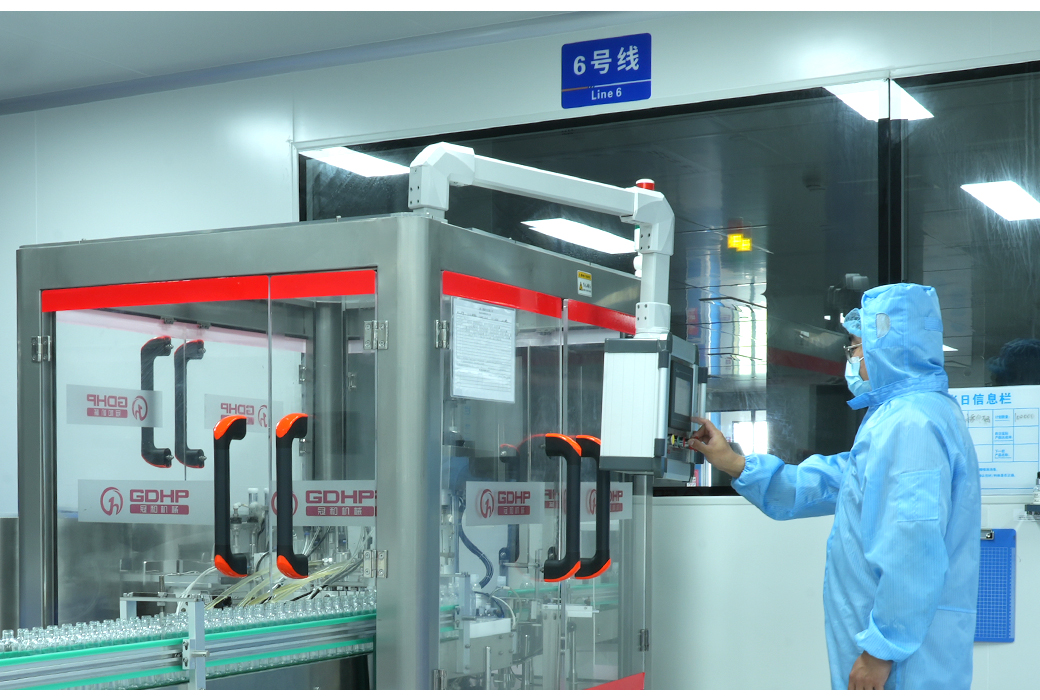
A reputable body care products manufacturer invests heavily in state-of-the-art production facilities that meet international quality standards. These facilities typically feature automated mixing systems, precision filling equipment, and controlled environment chambers that ensure consistent product quality across large production runs. Modern manufacturing equipment reduces human error , maintains sterile conditions, and enables precise ingredient measurements that are crucial for developing effective body care formulations.
Professional manufacturers also maintain multiple production lines capable of handling different product types simultaneously, from lightweight lotions to thick creams and specialized treatments. This versatility allows brands to diversify their product offerings while maintaining consistent quality standards across their entire range. The sophisticated equipment used by established manufacturers often includes inline quality control systems that monitor product characteristics in real-time, ensuring every batch meets predetermined specifications.
Established manufacturers implement comprehensive quality control protocols that begin with raw material inspection and continue through every stage of production. These protocols typically include microbiological testing, stability testing, and sensory evaluation procedures that verify product safety and performance before release. A reliable body care products manufacturer maintains detailed documentation of all quality control activities, providing brands with complete traceability and accountability.
Quality assurance extends beyond basic testing to include packaging integrity verification, labeling accuracy checks, and final product audits. Many manufacturers also conduct accelerated stability testing to predict how products will perform over their intended shelf life, helping brands avoid costly recalls or customer complaints related to product degradation.Therefore, Livepro has established a strict quality control process for its skincare products.
Working with a certified body care products manufacturer ensures your products comply with relevant international regulations and industry standards. Reputable manufacturers typically hold certifications such as ISO 9001 for quality management systems, ISO 22716 for cosmetics good manufacturing practices, and various organic certifications when applicable. These certifications demonstrate the manufacturer's commitment to maintaining consistent quality and safety standards.
Compliance with regulations such as FDA guidelines, EU cosmetics regulations, and other regional requirements is essential for market access and consumer safety. An experienced manufacturer stays current with changing regulations and can guide brands through the complex landscape of cosmetic product compliance, helping avoid regulatory issues that could delay product launches or result in market restrictions.
Professional manufacturers maintain comprehensive documentation systems that track every aspect of the production process, from ingredient sourcing to final product distribution. This documentation includes batch records, ingredient certificates of analysis, stability test results, and production logs that provide complete traceability for regulatory authorities and brand owners. Such thorough record-keeping is essential for demonstrating due diligence in case of regulatory inquiries or product investigations.
Advanced traceability systems also enable rapid response to any quality issues that may arise, allowing manufacturers to quickly identify affected batches and implement appropriate corrective actions. This capability protects both the manufacturer and the brand from potential liability while demonstrating commitment to consumer safety and product integrity.
Partnering with an established body care products manufacturer provides access to significant cost advantages through economies of scale. Large manufacturers can negotiate better prices for raw materials due to their purchasing volume, and these savings are often passed along to their clients. Additionally, the fixed costs of operating sophisticated manufacturing facilities are distributed across multiple clients and product lines, reducing the per-unit manufacturing cost for individual brands.
Manufacturing efficiency also improves with scale, as experienced operators can optimize production processes to minimize waste and maximize output. Professional manufacturers typically have established relationships with multiple suppliers, ensuring consistent material availability and competitive pricing even during market fluctuations or supply chain disruptions.
Reliable manufacturers offer flexible production capabilities that can accommodate varying order sizes and seasonal demand fluctuations. This production flexibility is particularly valuable for emerging brands. Even with limited initial order volumes, we can rapidly activate production lines through efficient scheduling, providing agile support for their market growth. For established companies, we are able to flexibly allocate capacity resources without compromising the quality or delivery timelines of regular orders, efficiently accommodating various urgent orders and customized production needs.
Scalability extends beyond production volume to include product diversification opportunities. A versatile body care products manufacturer can produce multiple product types using shared equipment and expertise, allowing brands to expand their offerings without establishing relationships with multiple specialized manufacturers.
Leading manufacturers maintain dedicated research and development departments staffed with cosmetic chemists, dermatologists, and product development specialists who can assist brands in creating innovative formulations. These teams stay current with the latest ingredient technologies, consumer trends, and scientific research that drive product innovation in the body care industry. Access to such expertise enables brands to develop cutting-edge products that differentiate them in competitive markets.
R&D capabilities typically include formulation laboratories equipped with pilot-scale production equipment that allows for efficient product testing and optimization before full-scale manufacturing begins. This approach reduces development time and costs while ensuring new products meet performance expectations and regulatory requirements from the outset.
Experienced manufacturers often serve multiple clients across various market segments, providing them with valuable insights into emerging trends, consumer preferences, and competitive developments. This market intelligence can inform product development decisions and help brands identify opportunities for innovation or market expansion. Manufacturers may also participate in industry trade shows, regulatory meetings, and scientific conferences that provide early access to new technologies and market developments.
The broad market exposure that comes with working with an established body care products manufacturer enables brands to benefit from cross-industry learning and best practices that may not be apparent from a narrower market perspective. This knowledge transfer can accelerate innovation and improve competitive positioning in rapidly evolving markets.
Professional manufacturers maintain extensive supplier networks that ensure consistent access to high-quality raw materials and packaging components. These established relationships often include multiple suppliers for critical materials, reducing the risk of production delays due to supply chain disruptions. Manufacturers also typically conduct regular supplier audits and qualification processes to ensure their supply chain partners meet quality and reliability standards.
Ingredient sourcing expertise includes knowledge of seasonal availability patterns, price trends, and alternative material options that can help brands optimize their formulations for cost-effectiveness and supply security. Experienced manufacturers can also assist with sustainable sourcing initiatives and ethical supply chain practices that increasingly important to consumers and regulatory authorities.
Many body care products manufacturer partners offer integrated logistics services that streamline the path from production to market delivery. These services may include warehousing, order fulfillment, and distribution management that reduce complexity and costs for brand owners. Centralized logistics operations can also provide better inventory management and faster response times to market demands.
Advanced manufacturers often utilize sophisticated inventory management systems and predictive analytics to optimize stock levels and reduce carrying costs while ensuring product availability. These capabilities are particularly valuable for brands with complex product portfolios or seasonal demand patterns that require careful inventory planning and management.

Partner with Livepro Beauty, a trusted body care products manufacturer since 2003, for high-quality OEM/ODM solutions. Contact Livepro to learn more.
Start by reviewing their certifications, including ISO standards and cosmetic-specific certifications like GMP (Good Manufacturing Practices). Request facility tours to observe their production environment, quality control laboratories, and equipment maintenance practices. Ask for references from existing clients and review their track record of regulatory compliance and product recalls. Additionally, evaluate their testing capabilities, documentation systems, and staff qualifications to ensure they meet your quality requirements.
Minimum order quantities vary significantly depending on the manufacturer's size, capabilities, and business model. Larger manufacturers typically require higher minimum orders to achieve cost efficiency, often ranging from 5,000 to 50,000 units per SKU. However, many manufacturers offer flexibility for new brands or custom formulations, potentially accepting smaller initial orders with agreements for larger subsequent orders. Discuss your growth projections and volume expectations upfront to find a manufacturer whose minimum requirements align with your business needs.
Product development timelines depend on complexity, regulatory requirements, and testing protocols, but typically range from 1-6 months. Simple formulation modifications might take 1-3 months, while completely new products or those requiring extensive testing could take 3-6 months or longer. The process includes formulation development, stability testing, package design and testing, regulatory review, and production setup. Working with an experienced body care products manufacturer can help streamline this timeline through efficient project management and parallel processing of development activities.
Professional manufacturers often provide comprehensive support including regulatory updates and compliance guidance, supply chain management assistance, and technical support for product optimization. Many also offer market intelligence, trend analysis, and new ingredient recommendations that can inform your product development strategy. Additional services may include packaging design support, sustainability consulting, and assistance with international market entry requirements. The level of support varies by manufacturer, so clarify expectations and available services during the partner selection process.