EN
EN

Disunie Double Essence Serum Series: Buksan ang biyaheng pang-luxury ng transformasyon ng balat
2025/04/17

2026/04/25
Sa mainit na klima, kung saan mataas ang temperatura at kahalumigan nang matagal, ang pangangailangan sa mga produkto para sa pangangalaga ng balat ay sumusunod sa ibang pattern. Ang mga cleansing mask ay isang patuloy na sikat na produkto sa mga merkado na ito, ngunit hindi lahat ng produkto ay may parehong epekto. Ang mga peel-off mask na may luwad mula sa Dagat na Patay ay kilala na sa maraming mainit na merkado, ngunit kung ang mga ito ay angkop sa iyong hanay ng produkto ay nakasalalay sa lokal na pangangailangan, pagkakabagay ng produkto, at kahihinatnan ng pagkuha nito. Narito kung paano malalaman kung dapat bang ilagay ang isang peel-off mask na may luwad mula sa Dagat na Patay sa iyong hanay ng produkto, at ano ang dapat mong tingnan kapag pinipili mo ang isa.
Simulan sa pangangailangan sa iyong merkado. Sa mga merkadong ito, ang init, kahalumigan, pawis, residual na sunscreen, at araw-araw na pagkakalapat ng mga environmental factor ay nagiging sanhi ng mas madalas na pangangailangan ng cleansing. Ang mga konsyumer dito ay binibigyang-prioridad ang malalim na paglilinis bilang bahagi ng kanilang araw-araw na rutina, at hinahanap ang mga produkto na nakakatugon sa mga nakikitang problema tulad ng blackheads, kulang sa singkad, at labis na kislap.
Ang mga maskara para sa paglilinis, lalo na ang mga uri na maaaring i-peel off, ay sumasapat sa mga pangangailangan na ito dahil ang resulta ay madaling makita at ang rutina ay madaling ipaliwanag ng mga retailer.
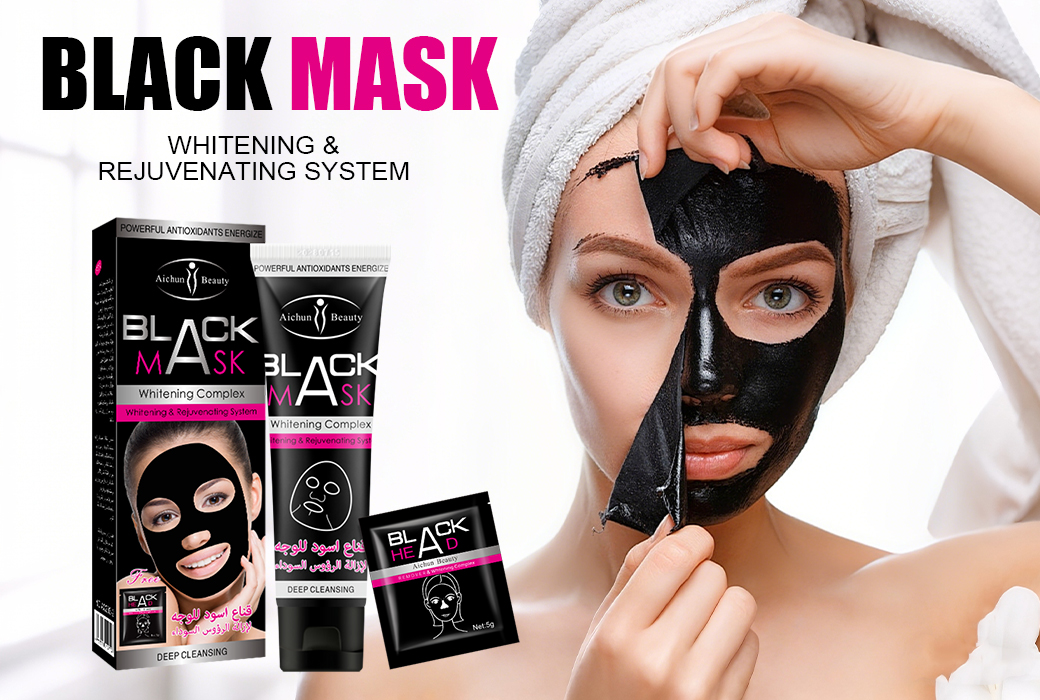
Bago idagdag ang isang maskarang panlilinis sa iyong hanay ng produkto, suriin muna ang tatlong bagay: lokal na kahalagahan, pagkakaiba ng produkto, at kasanayan sa pagkuha nito.
Maraming produkto sa kategorya ng peel-off mask ang umaasa sa mga katulad na pahayag, tulad ng malalim na paglilinis, pag-alis ng blackhead, o pagkontrol ng langis. Tumitindi ang putik ng Dagat na Patay dahil nagdaragdag ito ng mas malakas na kuwento tungkol sa sangkap sa format ng peel-off.
Ang halaga ng putik ng Dagat na Patay ay galing sa kanyang identidad na mayaman sa mineral. Kilala sa buong mundo ang Dagat na Patay dahil sa mataas na konsentrasyon nito ng mga mineral tulad ng magnesium, sodium, potassium, at bromide salts. Ang ganitong identidad na mayaman sa mineral ang tumulong na likhain ang matagal nang ugnayan nito sa kagalingan, pag-aalaga sa putik, at mga produktong personal care na nakatuon sa balat. Para sa mga distributor, binibigyan nito ang sangkap ng mas malinaw na kuwento sa merkado kaysa sa pangkalahatang konsepto ng mud mask.
Sa halip na ibenta ang produkto bilang isang epekto lamang na maaaring i-peel off, maaari rin itong iposisyon sa paligid ng paglilinis na galing sa mineral, pangangalaga na may istilo ng spa, at isang mas kumpletong konsepto ng malalim na paglilinis.
Sa mga Arabong merkado, madali ring kilalanin ang konseptong ito dahil ang Dagat na Patay ay may matibay nang pamilyaridad sa rehiyon dahil sa matagal nang itinatag na imahe ng Jordan tungkol sa kalusugan at kagandahan. Ang ganitong pamilyaridad sa rehiyon ay maaaring gawing mas madali ang pagposisyon ng mga produktong gawa sa putik ng Dagat na Patay kumpara sa isang karaniwang maskara ng putik o isang pangkalahatang maskara na maaaring i-peel off.
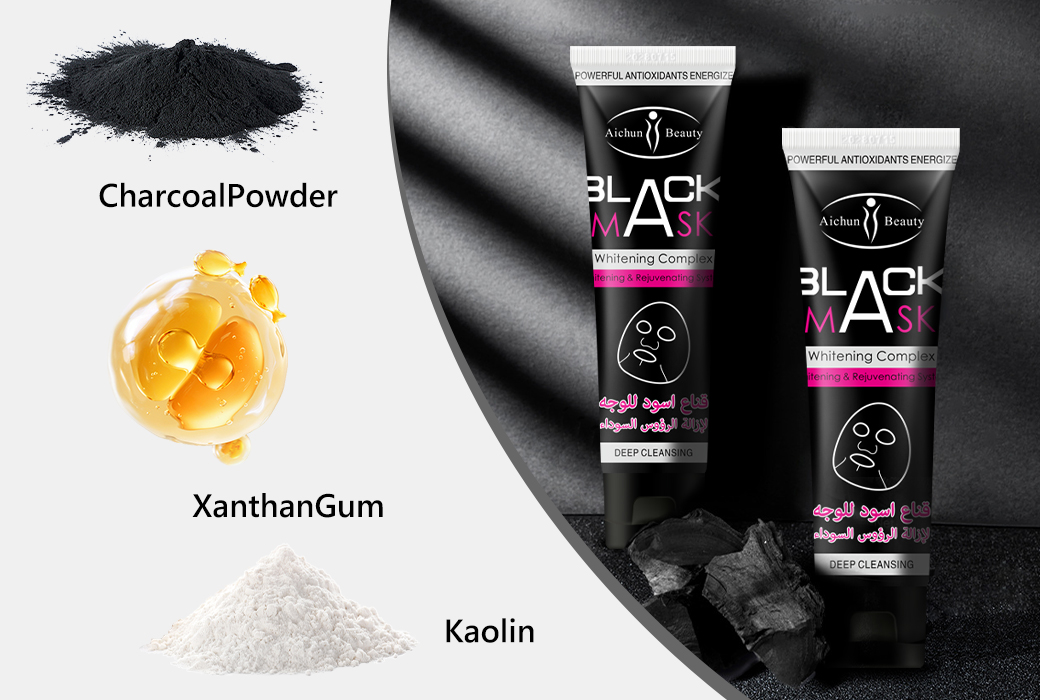
Ang putik ng Dagat na Patay ay isang pamilyar nang konsepto sa paglilinis sa maraming merkado, ngunit hindi lahat ng pormula ay pantay na angkop para sa mainit na klima. Kapag inihahambing ang mga produkto, suriin muna ang mga sumusunod na puntos:
Bago maglagay ng malalaking order, kumpirmahin muna ang mga sumusunod na detalye sa pagkuha:
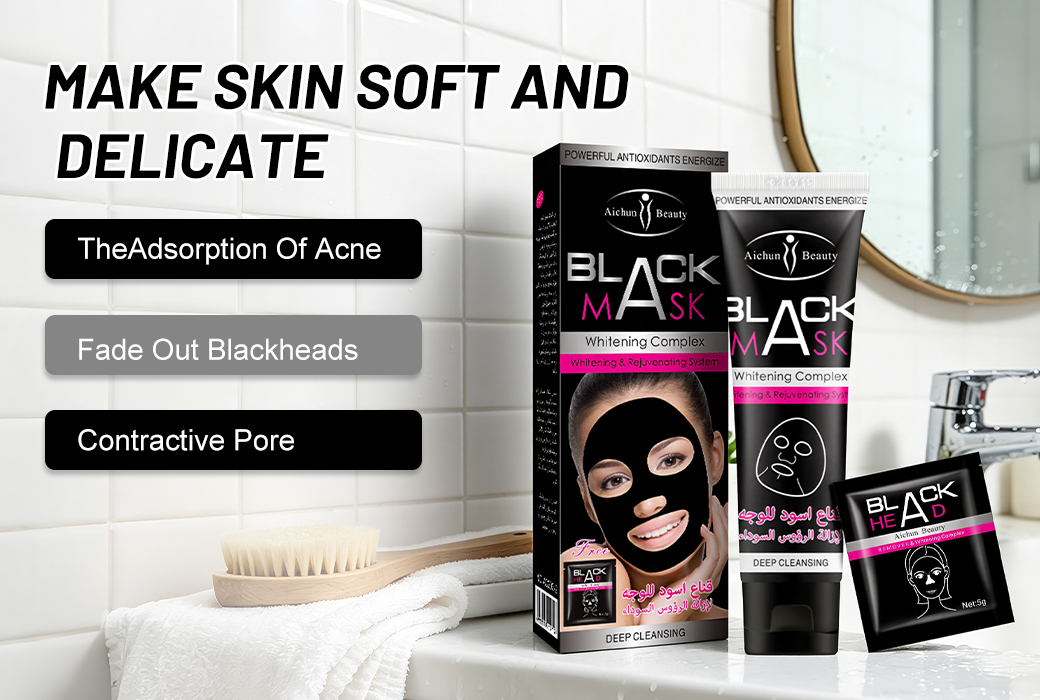
Kung ang kategoryang ito ay angkop sa iyong merkado, ang susunod na hakbang ay simple: suriin ang pagkakatugma ng produkto, kumpirmahin ang mga detalye ng pagmamanufacture, at subukan kung ang pormula ay angkop sa lokal na demand.
Kung sinusuri mo ang mga maskara na may Dead Sea mud na maaaring i-peel-off para sa iyong merkado, makipag-ugnayan sa amin upang suriin ang mga sample, minimum order quantity (MOQ), lead time, o mga dokumentong kailangan para sa compliance.
1. Ang mga maskarang Dead Sea mud na maaaring i-peel-off ba ay angkop para sa lahat ng merkado na may mainit na klima?
Hindi agad-agad. Maaaring gumana nang maayos ang kategoryang ito sa mga lugar na mainit, ngunit ang pagkakatugma ng produkto ay nakasalalay pa rin sa mga lokal na kagustuhan, posisyon sa retail, at inaasahan ng mga consumer. Sa ilang merkado, mas madaling ipagbili ang isang produkto na may mas malakas na pagpapahayag ng oil-control. Sa iba, maaaring pinipili ng mga buyer ang isang cleansing mask na nagbibigay din ng komportableng pakiramdam pagkatapos gamitin.
2. Ano ang nagpapaginhawa sa mga retailer sa pagbebenta ng maskarang Dead Sea mud na maaaring i-peel-off?
Karaniwan, ito ay nauuwi sa tatlong bagay: madaling ipaliwanag ang resulta, madaling intindihin ang proseso ng paggamit, at ang naiiwan na pakiramdam ay umaayon sa mga lokal na inaasahan. Kung ang mga tauhan sa retail ay maaaring mabilis na ipaliwanag kung ano ang ginagawa ng produkto at para kanino ito, mas madali ang pagbebenta nito.
3. Ano ang dapat subukan muna ng mga distributor bago maglagay ng malaking order?
Simulan sa pakiramdam ng pormula, kakayahang umalis (peel-off performance), at kabuuang karanasan ng gumagamit. Ang isang maskara na hindi pantay ang pagtuyo, sobrang mabigat ang pakiramdam, o mahirap umalis ay mas mahirap panatilihin sa mga channel na nakatuon sa paulit-ulit na pagbili. Kapaki-pakinabang din na suriin ang presentasyon ng packaging, kalinawan ng mga label, at kung ang kuwento ng produkto ay umaangkop sa target na merkado.
4. Maaari bang simulan ng mga distributor ang mas maliit na pagsusubok sa pamamagitan ng maliit na order?
Oo, para sa mga stock na produkto, ang aming minimum order quantity (moq) ay 1 carton.
5. Paano masusukat ng mga distributor kung ang kategoryang ito ay angkop sa kanilang hanay ng produkto?
Isang simpleng paraan ay ang pagtingin sa tatlong bagay: kung ang mga lokal na konsyumer ay sumasagot na ba sa mga produkto na nakatuon sa paglilinis, kung ang mga retailer ay kayang ipaliwanag nang madali ang produkto, at kung ang mga termino ng pagkuha ng produkto ay praktikal para sa iyong plano sa imbentaryo. Kung ang tatlong puntong ito ay umaayon, karaniwang sulit subukan ang kategoryang ito.