EN
EN



Серия сывороток Disunie Double Essence: Откройте путь к роскошному преображению кожи
2025/04/17
2026/04/25
В жарком климате, где высокая температура и влажность сохраняются длительное время, спрос на средства ухода за кожей часто формируется по иному сценарию. Очищающие маски являются стабильным хитом продаж на таких рынках, однако не все продукты демонстрируют одинаковую эффективность. Маски-пленки из грязи Мертвого моря уже хорошо известны во многих теплых регионах, но вопрос о том, подойдут ли они для вашего ассортимента, зависит от локального спроса, соответствия вашему товарному ряду и практичности закупки. Ниже приведены рекомендации по принятию решения о включении маски-пленки из грязи Мертвого моря в ваш ассортимент, а также ключевые критерии, на которые следует обратить внимание при её выборе.
Начните с анализа спроса на вашем рынке. В этих регионах высокая температура, влажность, потоотделение, остатки солнцезащитных средств и ежедневное накопление загрязнений окружающей среды делают очищение более регулярной потребностью. Потребители здесь уделяют особое внимание глубокому очищению как части ежедневного ухода и предпочитают продукты, способные решать видимые проблемы — такие как черные точки, тусклость кожи и чрезмерный блеск.
Очищающие маски, особенно отшелушивающие типы, соответствуют этим потребностям, поскольку результат легко заметен, а процедура проста для объяснения продавцами в розничной сети.
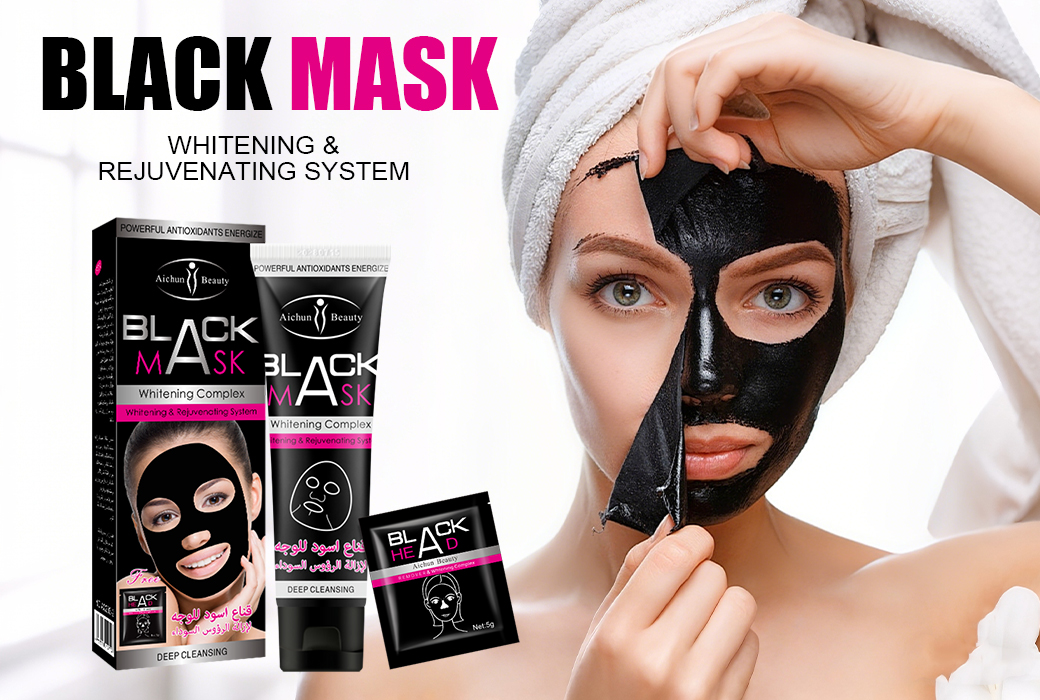
Прежде чем добавить очищающую маску в ассортимент, сначала проверьте три аспекта: местную релевантность, дифференциацию продукта и практическую осуществимость закупки.
Многие продукты в категории масок-пленок опираются на схожие маркетинговые заявления, например, глубокое очищение, удаление черных точек или контроль выработки кожного сала. Глина Мертвого моря выделяется тем, что усиливает «историю ингредиентов» в формате масок-пленок.
Ценность глины Мертвого моря обусловлена её минералоносной природой. Мертвое море широко известно высокой концентрацией таких минералов, как магний, натрий, калий и бромиды. Эта минералоносная природа способствовала формированию устойчивых ассоциаций с благополучием, уходом с использованием глины и средствами личной гигиены, ориентированными на кожу. Для дистрибьюторов это обеспечивает более четкую и убедительную рыночную историю по сравнению с общим понятием «маска на основе глины».
Вместо того чтобы позиционировать продукт исключительно как средство с эффектом «снятия плёнки», его также можно позиционировать вокруг очищения на основе минералов, ухода в стиле спа и более комплексной концепции глубокого очищения.
На арабских рынках эта концепция зачастую воспринимается легче, поскольку Мёртвое море уже пользуется высокой узнаваемостью в регионе благодаря устоявшемуся имиджу Иордании в сфере оздоровления и красоты. Такая региональная узнаваемость облегчает позиционирование продуктов на основе грязи Мёртвого моря по сравнению со стандартными глиняными масками или универсальными масками с эффектом «снятия плёнки».
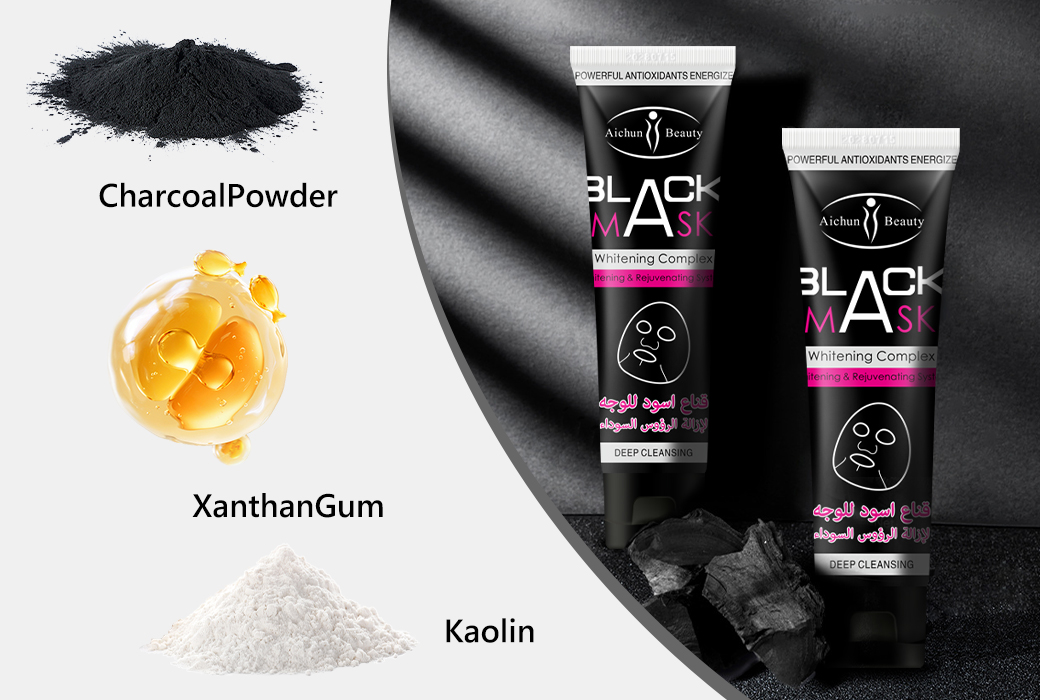
Грязь Мёртвого моря уже является знакомой концепцией очищения во многих рынках, однако не каждая формула одинаково подходит для тёплого климата. При сравнении продуктов в первую очередь обратите внимание на следующие параметры:
Прежде чем размещать оптовые заказы, сначала подтвердите следующие детали закупки:
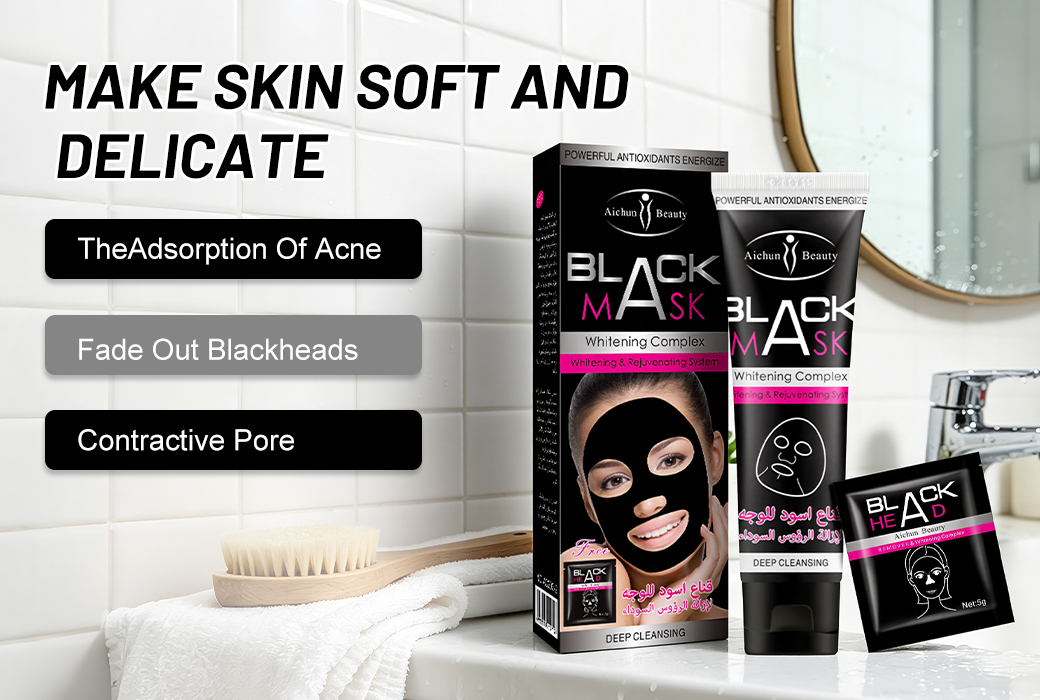
Если эта категория подходит для вашего рынка, следующий шаг прост: проверьте соответствие продукта, подтвердите детали закупки и протестируйте, отвечает ли формула местному спросу.
Если вы оцениваете пелл-оф маски на основе грязи Мёртвого моря для своего рынка, свяжитесь с нами, чтобы обсудить образцы, минимальный объём заказа (MOQ), сроки поставки или документы, подтверждающие соответствие требованиям.
1. Подходят ли пелл-оф маски на основе грязи Мёртвого моря для всех рынков с жарким климатом?
Не обязательно. Эта категория может хорошо работать на тёплых рынках, однако соответствие продукта всё ещё зависит от местных предпочтений, позиционирования в розничной торговле и ожиданий потребителей. В некоторых странах проще продавать маски с акцентом на контроль выработки кожного сала. В других покупатели могут предпочитать очищающие маски, которые после применения также обеспечивают ощущение комфорта.
2. Что делает пелл-оф маску на основе грязи Мёртвого моря более привлекательной для розничных сетей?
Обычно всё сводится к трём вещам: результат легко объяснить, процесс использования легко понять, а ощущения после применения соответствуют местным ожиданиям. Если персонал розничной точки может быстро объяснить, для чего предназначен продукт и кому он подходит, его продажи, как правило, проходят легче.
3. Что дистрибьюторам следует протестировать в первую очередь перед размещением крупного заказа?
Начните с оценки текстуры формулы, эффективности отшелушивания и общего пользовательского опыта. Маска, которая высыхает неравномерно, вызывает чрезмерное раздражение или плохо отслаивается, сложнее удержать в каналах повторных покупок. Также стоит проверить оформление упаковки, чёткость маркировки и соответствие «истории продукта» вашему целевому рынку.
4. Могут ли дистрибьюторы начать с небольших пробных заказов?
Да, для товаров в наличии минимальный объём заказа (MOQ) составляет 1 коробку.
5. Как дистрибьюторы могут определить, подходит ли данная категория их ассортименту?
Простой способ — проверить три аспекта: откликаются ли местные потребители на продукты, ориентированные на очищение; могут ли ритейлеры легко объяснить особенности продукта; и являются ли условия закупки практичными с точки зрения вашего плана управления запасами. Если эти три пункта совпадают, категорию, как правило, стоит протестировать.