EN
EN


Disunie Double Essence Serum Series: ອຳນວຍຄວາມເປັນຫຼັງຫຼາຍຂອງການປ່ຽນແປງຜິວທີ່ສູງສຸດ
2025/04/17

2026/03/31
ຊໍາປູສີຜົມແບບເອກະຊົນ ເຮັດວຽກໄດ້ດີທີ່ສຸດ ເມື່ອທ່ານຕ້ອງການຜະລິດຕະພັນທີ່ມີຍີ່ຫໍ້ໂດຍບໍ່ຕ້ອງເອົານ້ ໍາ ຫນັກ ທັງ ຫມົດ ຂອງໂຄງການ OEM ທີ່ຖືກປັບແຕ່ງຢ່າງເລິກເຊິ່ງ.
ສໍາລັບຜູ້ຊື້ ທີ່ສ້າງສາຍສີຜົມ, ການຕັດສິນໃຈທີ່ແທ້ຈິງ ແມ່ນມີປະໂຫຍດຫຼາຍກ່ວານັ້ນ. ທ່ານຈໍາເປັນຕ້ອງຮູ້ເລື່ອງສູດໃດທີ່ງ່າຍທີ່ສຸດໃນການຂາຍ, ມີຫຼາຍສີທີ່ຈະເປີດຕົວກ່ອນ, ການຫຸ້ມຫໍ່ໃດທີ່ຈະເຮັດໃຫ້ຜະລິດຕະພັນເຂົ້າໃຈງ່າຍຂຶ້ນ, ແລະວ່າ MOQ ເຫມາະກັບຄວາມຕ້ອງການທີ່ແທ້ຈິງແທນທີ່ຈະຄາດຄະເນຄວາມປາດຖະ ຫນາ.
ຖ້າຫາກວ່າທ່ານຍັງ ກໍາ ລັງວາງແຜນປະເພດໃນລະດັບສູງ, ຄູ່ມືຂອງພວກເຮົາ ຊຳປູຢືນສີເສົ້າສຳລັບຍີ່ຫໍ້ ໃຫ້ເບິ່ງຢ່າງກວ້າງຂວາງ ກ່ຽວກັບປະເພດຜະລິດຕະພັນ, ບຸລິມະສິດຂອງຜູ້ຊື້, ແລະເສັ້ນທາງການສະຫນອງ ກ່ອນທີ່ທ່ານຈະຈໍາກັດໂຄງການເຂົ້າໄປໃນການເປີດຕົວ private label.
Private label ຫມາຍຄວາມວ່າ ຜະລິດຕະພັນຈະເປີດຕົວພາຍໃຕ້ຄວາມເປັນຕົວຕົນຂອງຍີ່ຫໍ້ຂອງທ່ານ ແຕ່ເສັ້ນທາງການພັດທະນາມັກຈະເບົາກວ່າໂຄງການ OEM ທີ່ຖືກປັບແຕ່ງໃຫ້ຄົບຖ້ວນ. ທ່ານຍັງມີບ່ອນທີ່ຈະສ້າງຮູບພາບການ ນໍາ ສະ ເຫນີ, ການຫຸ້ມຫໍ່, ແລະບາງຄັ້ງສ່ວນ ຫນຶ່ງ ຂອງເລື່ອງສູດ, ແຕ່ທ່ານບໍ່ໄດ້ເລີ່ມຕົ້ນຈາກສູນ.
ຄວາມແຕກຕ່າງນັ້ນມີຄວາມສໍາຄັນ ເພາະວ່າຜູ້ຊື້ຫຼາຍຄົນຄິດວ່າ ມີພຽງແຕ່ສອງທາງເລືອກ: ຮຸ້ນພ້ອມແລ້ວ ຫຼື OEM ເຕັມ. ໃນປະຕິບັດການ, private label ແມ່ນຊ້ໍາແລ້ວຊ້ໍາແລ້ວທາງກາງທາງການຄ້າທີ່ສະຫຼາດກວ່າ.
ເມື່ອທຽບກັບຮຸ້ນ, ການຂາຍເຄື່ອງແບບສ່ວນຕົວຈະເຮັດໃຫ້ທ່ານມີ:
ເມື່ອທຽບກັບ OEM ເຕັມ, private label ປົກກະຕິແລ້ວຈະໃຫ້ທ່ານ:
ຖ້າທ່ານຍັງຢູ່ໃນຂະບວນການປຽບທຽບ ສິນຄ້າພ້ອມຈັດສົ່ງ ແທນທີ່ຈະເປັນ OEM , ການຕັ້ງຊື່ສິນຄ້າເປັນຂອງຕົນເອງ (private label) ࡒຳເນີນການໄດ້ດີກວ່າເມື່ອທ່ານຕ້ອງການເປີດຕົວສິນຄ້າທີ່ມີຍີ່ຫໍ້ຂອງທ່ານເອງ ແຕ່ຍັງບໍ່ຈຳເປັນຕ້ອງໃຊ້ສູດທີ່ຖືກອອກແບບຢ່າງລະອຽດຫຼາຍ ຫຼື ລະບົບທີ່ປັບແຕ່ງທັງໝົດ.
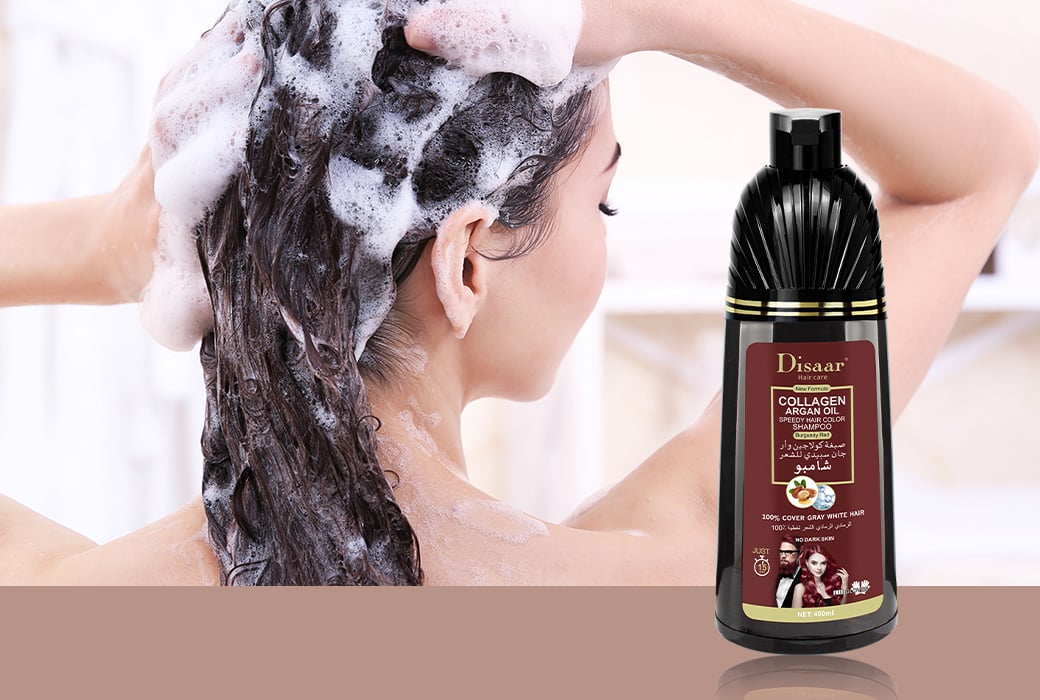
ການຕັ້ງຊື່ສິນຄ້າເປັນຂອງຕົນເອງ (private label) ໂດຍທົ່ວໄປແລ້ວເປັນທາງເລືອກທີ່ຖືກຕ້ອງເມື່ອທ່ານຮູ້ແຈ້ງແລ້ວວ່າທິດທາງຂອງຜະລິດຕະພັນແມ່ນເປັນແບບໃດ ແຕ່ທ່ານບໍ່ຕ້ອງການໃຊ້ເວລາ ແລະ ເງິນທຶນໃນການສ້າງທຸກລາຍລະອຽດຈາກສູນ.
ເຫດການນີ້ມັກເກີດຂຶ້ນໃນສີ່ກໍລະນີ.
(1) ທ່ານຕ້ອງການເປີດຕົວສິນຄ້າທີ່ມີຍີ່ຫໍ້ຂອງທ່ານເອງໂດຍບໍ່ຕ້ອງເລີ່ມຈາກສູນ. ປະເພດສິນຄ້ານີ້ແມ່ນເຂົ້າໃຈໄດ້ດີຢູ່ແລ້ວ, ຄວາມຕ້ອງການເບິ່ງຄືວ່າມີຢູ່ຈິງ, ແລະ ສິ່ງທີ່ທ່ານຕ້ອງການໃນເວລານີ້ແມ່ນຜະລິດຕະພັນທີ່ມີຮູບຮ່າງຄືກັບຍີ່ຫໍ້ຂອງທ່ານ ແທນທີ່ຈະເປັນສິນຄ້າທົ່ວໄປທີ່ມີຢູ່ໃນສ stock.
(2) ທ່ານຕ້ອງການຄວາມຄວບຄຸມທີ່ຫຼາຍກວ່າທີ່ສິນຄ້າທີ່ມີຢູ່ໃນສີ່ງເກັບສຳຮອງ (stock) ສາມາດໃຫ້ໄດ້. ສິນຄ້າທີ່ມີຢູ່ໃນສີ່ງເກັບສຳຮອງ (stock) ອາດຈະເປັນປະໂຫຍດໃນດ້ານຄວາມໄວ, ແຕ່ມັກຈະເຫຼືອພື້ນທີ່ນ້ອຍເກີນໄປໃນການປັບຮູບລັກສະນະຍີ່ຫໍ້ຂອງທ່ານ. ການຕັ້ງຊື່ສິນຄ້າເປັນຂອງຕົນເອງ (private label) ຈະແກ້ໄຂບັນຫານີ້ໄດ້ໂດຍບໍ່ຕ້ອງເຮັດໃຫ້ທ່ານເຂົ້າສູ່ວຟົງການ OEM ຢ່າງເຕັມຮູບແບບ.
(3) ທ່ານກຳລັງທົດສອບປະເພດສິນຄ້າໃຕ້ຊື່ຂອງທ່ານເອງ. ນີ້ເປັນສິ່ງທີ່ເປັນປະໂຫຍດຢ່າງຍິ່ງສຳລັບຜູ້ນຳເຂົ້າ ຫຼື ຍີ່ຫໍ້ໃໝ່ທີ່ຕ້ອງການຢືນຢັນການຕອບສະໜອງຂອງຊ່ອງຈຳ່່າຍດ້ວຍຂໍ້ເ Ange ທີ່ມີຍີ່ຫໍ້ ແທນທີ່ຈະເປັນຂໍ້ເ Ange ທີ່ບໍ່ມີຍີ່ຫໍ້.
(4) ຕະຫຼາດຂອງທ່ານໃຫ້ຄຸນຄ່າກັບຄວາມຈະແຈ້ງຫຼາຍກວ່າຄວາມສັບສົນດ້ານເຕັກນິກ. ໃນສະພາບແວດລ້ອມຂອງຮ້ານຄ້າ ແລະ ຜູ້ຈຳ່່າຍຫຼາຍໆແຫ່ງໃນອາເມລິກາໃຕ້, ຜະລິດຕະພັນທີ່ມີສີເຂັ້ມ ແລະ ມີຍີ່ຫໍ້ທີ່ດີ ແລະ ເຂົ້າໃຈໄດ້ງ່າຍ ສາມາດຂາຍໄດ້ໄວຂຶ້ນກວ່າການເປີດຕົວທີ່ສັບສົນກວ່າ ໂດຍມີທາງເລືອກຫຼາຍເກີນໄປ.
ຈາກປະສົບການຂອງພວກເຮົາ, ສິນຄ້າທີ່ຜະລິດເພື່ອຂາຍໃຕ້ຍີ່ຫໍ້ຂອງຮ້ານ (private label) ຈະເຮັດວຽກໄດ້ດີທີ່ສຸດເມື່ອບົດບາດຂອງຜະລິດຕະພັນແມ່ນຈະແຈ້ງແລ້ວ. ມັນບໍ່ແມ່ນເສັ້ນທາງທີ່ດີທີ່ສຸດສຳລັບໂຄງການທີ່ຍັງສັບສົນກ່ຽວກັບການຕັດສິນໃຈວ່າ ມັນຈະເປັນຜະລິດຕະພັນທີ່ເປັນທີ່ນິຍົມໃນການຄຸມຄຸມສີເທົາ (gray-coverage hero), ເປັນແຖວຜະລິດຕະພັນທີ່ມີຄວາມອ່ອນໂຍນຫຼາຍຂຶ້ນ, ຫຼື ເປັນຮູບແບບທີ່ນຳເອົາແນວໂນ້ມມາເປັນຫຼັກ.
ການຕັດສິນໃຈເລື່ອງສູດຄວນເກີດຂຶ້ນກ່ອນການສົນທະນາກ່ຽວກັບການຫໍ່ຫຸ້ມ ແທນທີ່ຈະເກີດຂຶ້ນຫຼັງຈາກນັ້ນ.
ຜູ້ຊື້ຫຼາຍຄົນເລີ່ມຕົ້ນດ້ວຍການຖາມເຖິງປະເພດຂວດ ຫຼື MOQ. ນີ້ເປັນສິ່ງທີ່ເຂົ້າໃຈໄດ້, ແຕ່ຄຳຖາມທີ່ເຂັ້ມແຂງກວ່ານີ້ແມ່ນ: ທ່ານກຳລັງສ້າງເລື່ອງราวຂອງຜະລິດຕະພັນປະເພດໃດ?
ສຳລັບຊຳພູດສີຜົມທີ່ເປັນຍີ່ຫໍ້ສ່ວນຕົວ, ສູດທີ່ເປັນປະຈັກສາທີ່ເໝາະສົມທີ່ສຸດມັກຈະແບ່ງອອກເປັນບ່ອນທີ່ຊັດເຈນບ່ອນຫຼວງ.
ນີ້ມັກຈະເປັນທາງເລືອກທີ່ເຂັ້ມແຂງທີ່ສຸດໃນດ້ານການຄ້າສຳລັບການເປີດຕົວໃນເບື້ອງຕົ້ນ. ຄຳຫຼັກທີ່ຜະລິດຕະພັນສັນຍາໄວ້ນັ້ນງ່າຍດາຍ, ປະຊາກອນເປົ້າໝາຍຊັດເຈນ, ແລະ ຂໍ້ຄວາມທີ່ຈະສະແດງຢູ່ໃນຮ້ານກໍສາມາດສື່ສານໄດ້ງ່າຍ.
ສິ່ງນີ້ເຮັດວຽກໄດ້ດີເມື່ອເລື່ອງທີ່ເກີດຈາກສູດຕ້ອງການໃຫ້ຮູ້ສຶກວ່າມີການສະໜັບສະໜູນຫຼາຍຂຶ້ນ ແທນທີ່ຈະເປັນພຽງແຕ່ການປັບປຸງເທົ່ານັ້ນ. ຜະລິດຕະພັນຍັງຄົງຕ້ອງການປະໂຫຍດດ້ານສີທີ່ເຫັນໄດ້ຢ່າງຊັດເຈນ, ແຕ່ການສື່ສານສາມາດເນັ້ນໄປທີ່ຄວາມເງົາ, ຄວາມນຸ້ມນວນ ຫຼື ການສະໜັບສະໜູນດ້ານການດູແລເສັ້ນໃຍໄດ້ຫຼາຍຂຶ້ນ.
ວິທີນີ້ອາດຈະເປັນປະໂຫຍດເມື່ອຍີ່ຫໍ້ຕ້ອງການຮູບແບບການສື່ສານທີ່ເບົາບວມກວ່າ. ມີຫຼາຍໆໜ້າເວັບທີ່ເປີດໃຫ້ບໍລິການໃນຕະຫຼາດ ແລະ ໜ້າເວັບຂອງຜູ້ສະໜອງທີ່ກ່ຽວຂ້ອງກັບຊຳພູດສີຜົມທີ່ເປັນຍີ່ຫໍ້ສ່ວນຕົວໃນປັດຈຸບັນ ເຊິ່ງເນັ້ນໃສ່ຄຳວ່າ 'ບໍ່ມີອາມ້ອເນຍ' ຫຼື ວາງແຕ່ລະຄຳທີ່ບໍ່ເຮັດໃຫ້ຄວາມຮູ້ສຶກເປັນອັນຕະລາຍ, ເຊິ່ງສະແດງໃຫ້ເຫັນວ່າທາງເລືອກນີ້ເປັນທີ່ນິຍົມໃນດ້ານການຄ້າຫຼາຍປານໃດ.
ຖ້ານີ້ແມ່ນທາງທີ່ທ່ານກຳລັງພິຈາລະນາ, ຄູ່ມືຂອງພວກເຮົາເລື່ອງ ທາງເລືອກສູດທີ່ບໍ່ມີອາມ້ອເນຍ ເປັນບົດອ່ານທີ່ເປັນປະໂຫຍດຕໍ່ໄປກ່ອນທີ່ທ່ານຈະຕັດສິນໃຈສຸດທ້າຍເລື່ອງສູດ.
ຜູ້ຊື້ບາງຄົນຖືກດຶງດູດໄປຫາເນື້ອເປົ້າທີ່ໃໝ່ກວ່າ ແລະ ຮູບແບບການສະແດງທີ່ງ່າຍຂຶ້ນ. ແນວຄວາມຄິດເຊັ່ນ ຊຳປູ່ຢືນຟອງສີຜັກບົ່ວຫົວເຕົ່າ ສາມາດເຮັດວຽກໄດ້ທີ່ນີ້ ເນື່ອງຈາກມັນປະສົມປະສານການໃຊ້ງານທີ່ເປັນປະໂຫຍດກັບອັตลັກສັນທີ່ເດັ່ນຊັດດ້ານທັດສະນະ, ເຊິ່ງສາມາດຊ່ວຍໃຫ້ແຖວສິນຄ້າເປັນເຈົ້າຂອງຍີ່ຫໍ້ມີລັກສະນະໃໝ່ຂຶ້ນໂດຍບໍ່ຕ້ອງເປັນທີ່ຈຳກັດເກີນໄປ.
ພວກເຮົາເຫັນວ່າສິ່ງນີ້ລົ້ມເຫຼວເມື່ອຍີ່ຫໍ້ພະຍາຍາມປະສົມປະສານເລື່ອງສູດຕ່າງໆຫຼາຍເກີນໄປໃນເວລາດຽວກັນ. ສິນຄ້າທີ່ສັນຍາວ່າຈະເຮັດໃຫ້ສີເງິນເປັນສີດຳ, ມີການດູແລດ້ວຍສາລີ, ມີຄຸນນະພາບເທົ່າກັບຮ້ານຕັດຜົມ, ມີຄວາມດຶງດູດຕາມແນວໂນ້ມ, ແລະ ມີຄວາມອ່ອນນຸ້ມເປັນຢ່າງຍິ່ງທັງໝົດໃນເຄື່ອງໝາຍດຽວ ມັກຈະເຮັດໃຫ້ສິນຄ້ານັ້ນເບິ່ງຄືວ່າບໍ່ມີຈຸດປະສົງທີ່ຊັດເຈນ.
ນີ້ແມ່ນໜຶ່ງໃນຂໍ້ຜິດພາດທີ່ໃຫຍ່ທີ່ສຸດໃນໂຄງການຍີ່ຫໍ້ເປັນເຈົ້າຂອງຕັ້ງແຕ່ເລີ່ມຕົ້ນ.
ຜູ້ຊື້ຫຼາຍຄົນຄິດວ່າຈຳນວນສີທີ່ຫຼາຍຂຶ້ນຈະເຮັດໃຫ້ແຖວສິນຄ້າເບິ່ງແຂງແຮງຂຶ້ນ. ໃນຄວາມເປັນຈິງ, ຈຳນວນສີທີ່ຫຼາຍເກີນໄປມັກຈະເຮັດໃຫ້ໂຄງການຊ້າລົງ, ມີຄວາມສ່ຽງຫຼາຍຂຶ້ນ, ແລະ ຍາກຂາຍຂຶ້ນ.
ຕົວຢ່າງຈາກຕະຫຼາດໃນປັດຈຸບັນສະແດງໃຫ້ເຫັນເຖິງຄວາມເນັ້ນໜັກທີ່ເປັນປະຈຳເດີມ: ສີດຳ ແລະ ສີນ້ຳຕານເຂັ້ມຍັງຄົງເປັນສີທີ່ນິຍົມທີ່ສຸດໃນຊຸດສີຜົມທີ່ເປັນເຈົ້າຂອງຍີ່ຫໍ້.
ຮູບແບບນີ້ບໍ່ໄດ້ເກີດຂຶ້ນຢ່າງບັງเอີນ.
ສີເຫຼົ່ານີ້ມັກຈະ:
ນີ້ແມ່ນສິ່ງທີ່ເຮັດວຽກໄດ້ຈິງສຳລັບການເປີດຕົວທີ່ເປັນປະຈັກສະພາບຫຼາຍຄັ້ງ: ເລີ່ມຕົ້ນດ້ວຍສີທີ່ເຫັນໄດ້ຢ່າງຊັດເຈນເຖິງ 2 ຫຼື 3 ສີ, ພິສູດຄວາມຕ້ອງການ, ຫຼັງຈາກນັ້ນຈຶ່ງຕັດສິນໃຈວ່າການຂະຫຍາຍຈະຄຸ້ມຄ່າຫຼືບໍ່.
ສຳລັບຜູ້ຊື້ຫຼາຍຄົນ, ຊຸດທຳອິດທີ່ເຫຼືອເຊື່ອຖືໄດ້ຈະມີລັກສະນະດັ່ງນີ້:
ນີ້ແມ່ນພໍທີ່ຈະທົດສອບການຕອບສະຫນອງຂອງຕະຫຼາດທີ່ແທ້ຈິງໂດຍບໍ່ຕ້ອງເພີ່ມຄວາມສັບສົນທີ່ບໍ່ຈຳເປັນໃນການສັ່ງຊື້ຄັ້ງທຳອິດ.
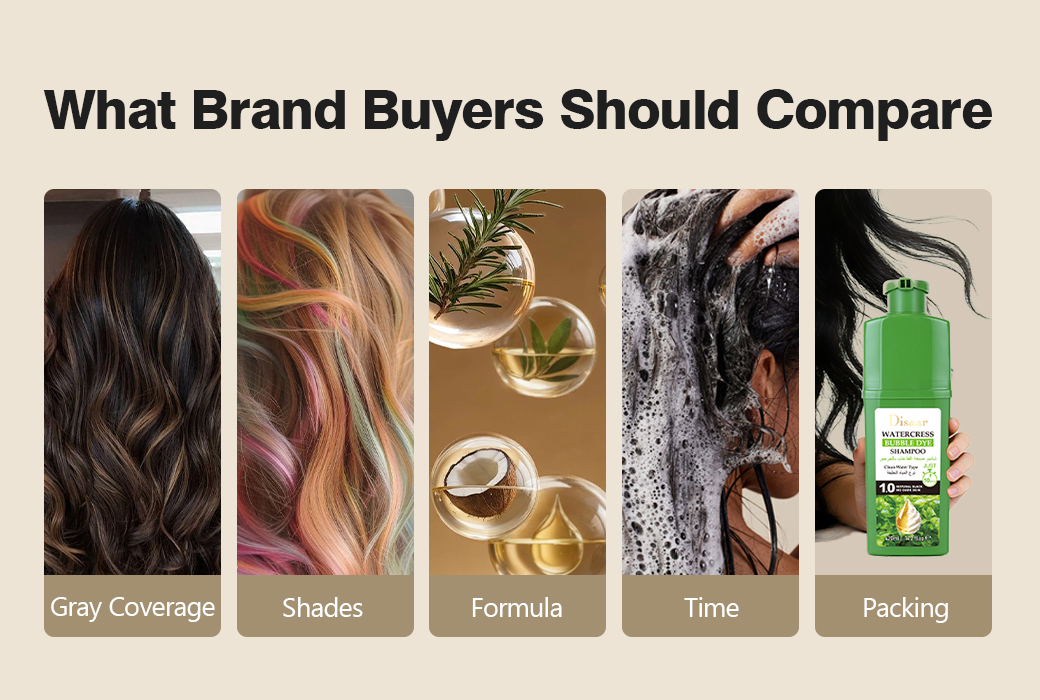
ຜູ້ສະໜອງອາດຈະເວົ້າວ່າການຫໍ່ຫຸ້ມສາມາດປັບແຕ່ງໄດ້. ນີ້ເປັນສິ່ງທີ່ເປັນປະໂຫຍດ, ແຕ່ມັນບໍ່ຄືກັບການຮູ້ວ່າການຫໍ່ຫຸ້ມໃດທີ່ຈະຊ່ວຍໃຫ້ຜະລິດຕະພັນຂາຍໄດ້ຈິງ.
ນີ້ແມ່ນບ່ອນທີ່ຫນ້າເວັບຂອງຍີ່ຫໍ້ສ່ວນຕົວຈຳນວນຫຼາຍຍັງຄົງເລິກເທົ່າໃດ. ພວກເຂົາກ່າວເຖິງຂວດ, ການພິມ, ແລະ ຂະໜາດ, ແຕ່ພວກເຂົາບໍ່ອະທິບາຍວ່າຕົວເລືອກໃດທີ່ສຳຄັນທີ່ສຸດໃນຊຳພູດສຳລັບສີຜົມ.
ຂວດມັກຈະສະໜັບສະໜູນການມີຢູ່ຂອງຍີ່ຫໍ້ທີ່ເຂັ້ມແຂງຂຶ້ນ ແລະ ມີຄວາມຮູ້ສຶກວ່າເປັນທີ່ຮູ້ຈັກດີຂຶ້ນເທິງຊັ້ນຈັດສິນຄ້າ. ຊຸດເລັກອາດຈະເໝາະສົມສຳລັບຕະຫຼາດທີ່ເນັ້ນການທົດລອງ ຫຼື ລາຄາເລີ່ມຕົ້ນທີ່ຕ່ຳ, ແຕ່ມັນກໍຍັງປ່ຽນວິທີທີ່ຜູ້ບໍລິໂພກຮັບຮູ້ຕໍ່ຜະລິດຕະພັນ.
ການຫໍ່ຫຸ້ມຊຳພູດສຳລັບສີຜົມຕ້ອງຕອບຄຳຖາມຫຼັກໄດ້ຢ່າງໄວວ່າ:
ຖ້າດ້ານໜ້າຂອງກ່ອງຫໍ່ຫຸ້ມເຕັມໄປດ້ວຍຂໍ້ມູນຫຼາຍເກີນໄປ, ຜະລິດຕະພັນຈະເຮັດໃຫ້ຜູ້ບໍລິໂພກເຊື່ອຖືຍາກຂື້ນ.
ການຕັ້ງຊື່ສີທີ່ງ່າຍດາຍມັກຈະເຮັດວຽກໄດ້ດີກວ່າການຕັ້ງຊື່ທີ່ສ້າງສັນໃນໂຄງການຍີ່ຫໍ້ສ່ວນຕົວຂັ້ນຕົ້ນ. ຜູ້ຊື້ທີ່ມີຄວາມເປັນເหດເປັນຜົນຄວນຈະໃຫ້ຄວາມສຳຄັນກັບຄວາມຈະແຈ້ງຫຼາຍກວ່າການตกແຕ່ງ.
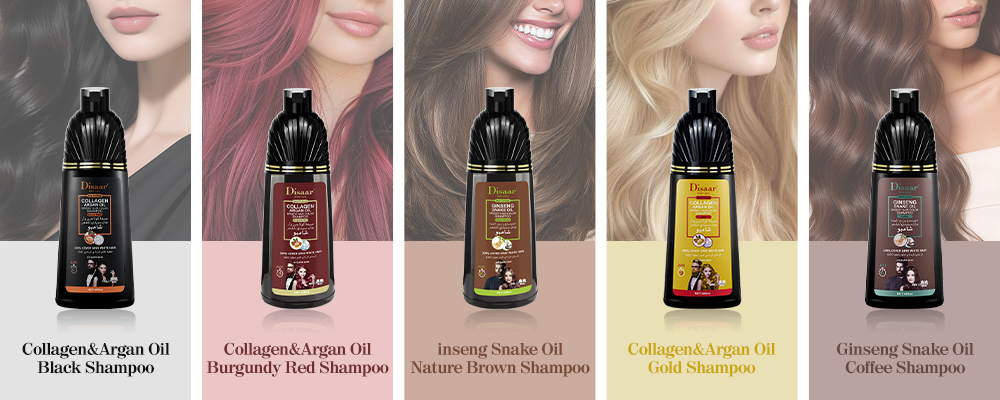
ປະເພດນີ້ມີຄວາມອ່ອນໄຫວຫຼາຍກວ່າສະບູ່ທີ່ມາດຕະຖານ. ຜະລິດຕະພັນຈຳເປັນຕ້ອງມີຄຳແນະນຳທີ່ຮູ້ສຶກວ່າເຂົ້າໃຈໄດ້ງ່າຍ. ຖ້າບໍ່ລະດັບການອອກແບບຫີບຫໍ່ເຮັດໃຫ້ຂະບວນການເບິ່ງຄືວ່າຊັບຊ້ອນ, ຍີ່ຫໍ້ຈະສູນເສຍຂໍ້ດີຫຼັກໆອັນໜຶ່ງຂອງປະເພດນີ້.
ຈາກປະສົບການຂອງພວກເຮົາ, ການອອກແບບຫີບຫໍ່ຄວນເຮັດໃຫ້ຜະລິດຕະພັນຮູ້ສຶກງ່າຍຂຶ້ນ ແທນທີ່ຈະເຮັດໃຫ້ເບິ່ງຄືວ່າເປັນເລື່ອງທີ່ເຕັມໄປດ້ວຍເທັກນິກຫຼາຍຂຶ້ນ. ນີ້ແມ່ນເຫດຜົນໜຶ່ງທີ່ຍີ່ຫໍ້ທີ່ຜະລິດເອງ (private label) ສາມາດເຮັດວຽກໄດ້ດີໃນດ້ານນີ້. ດ້ວຍການເລືອກອອກແບບທີ່ເໝາະສົມ, ຕົວຫີບຫໍ່ເອງສາມາດເຮັດໜ້າທີ່ສົ່ງເສີມການຂາຍໄດ້ຢ່າງຫຼວງຫຼາຍ.
MOQ ແມ່ນໜຶ່ງໃນຄຳຖາມທຳອິດທີ່ຜູ້ຊື້ຖາມ, ແຕ່ມັນເກືອບຈະບໍ່ເຄີຍເປັນຄຳຖາມທຳອິດທີ່ເປັນປະໂຫຍດທີ່ສຸດ.
MOQ ບໍ່ແມ່ນພຽງແຕ່ຕົວເລກໜຶ່ງ. ມັນເປັນສັນຍານທີ່ສະແດງເຖິງວິທີທີ່ໂຄງການຖືກຈັດຕັ້ງຂຶ້ນ.
ເລື່ອງນີ້ສຳຄັນ ເນື່ອງຈາກ MOQ ຄວນຖືກປະເມີນຕາມສິ່ງຕໍ່ໄປນີ້ສີ່ຢ່າງ:
1. ຄວາມໝັ້ນໃຈໃນການທຳนาย
ຖ້າທ່ານຍັງຄົງເດົາຢູ່ວ່າສີໃດຈະຂາຍດີ, MOQ ທີ່ສູງຈະເຮັດໃຫ້ເກີດຄວາມກົດດັນທີ່ສາມາດຫຼີກເວີ້ງໄດ້.
2. ຈຳນວນສີ
ຈຳນວນສີທີ່ຫຼາຍຂຶ້ນມັກຈະໝາຍເຖິງຄວາມສັບສົນທີ່ຫຼາຍຂຶ້ນ ແລະ ຄວາມສ່ຽງດ້ານສິນຄ້າສຳຮອງທີ່ຫຼາຍຂຶ້ນ. ນີ້ເປັນອີກເຫດຜົນໜຶ່ງທີ່ບໍ່ຄວນຜະລິດສິນຄ້າອອກມາຫຼາຍເກີນໄປໃນການເປີດຕົວຄັ້ງທຳອິດ.
3. ຄວາມສັບສົນຂອງການຫໍ່ຫຸ້ມ
ຍິ່ງການຮ້ອງຂໍກ່ຽວກັບບໍ່ຫຼັງມີຄວາມເປັນເລື່ອງເຈາະຈົງຫຼາຍເທົ່າໃດ, ການປ່ຽນແປງຂອງ MOQ (ຈຳນວນສັ່ງຊື້ຂັ້ນຕ່ຳ) ແລະ ເວລາຈັດສົ່ງກໍຈະມີຄວາມເປັນໄປໄດ້ຫຼາຍຂຶ້ນເທົ່ານັ້ນ.
4. ຄວາມເປັນຈິງຂອງຊ່ອງທາງການຈັດຈຳຫນ່າຍ
MOQ ທີ່ເໝາະສົມແມ່ນຂຶ້ນກັບວ່າຜະລິດຕະພັນຈະຖືກຂາຍໄດ້ແນວໃດໃນທີ່ສຸດ. ການສັ່ງຊື້ທີ່ນຳເຂົ້າໂດຍຜູ້ຈັດຈຳຫນ່າຍ, ການເປີດຕົວເປັນຄັ້ງທຳອິດຜ່ານອອນໄລນ໌, ແລະ ໂຄງການສົ່ງອອກທີ່ປະກອບດ້ວຍທັງການຂາຍສົ່ງແລະຂາຍຍ່ອຍນັ້ນບໍ່ຈຳເປັນຕ້ອງມີການຈັດຕັ້ງທີ່ຄືກັນທັງໝົດ.
ພວກເຮົາເຫັນວ່າເຫດການນີ້ລົ້ມເຫຼວເມື່ອຜູ້ຊື້ເບິ່ງ MOQ ເປັນເພີຍງຈຸດທີ່ຈະເຈລະຈາເທົ່ານັ້ນ ແທນທີ່ຈະເປັນຄຳຖາມທີ່ກ່ຽວຂ້ອງກັບການທຳนายຄວາມຕ້ອງການ. MOQ ທີ່ຕ່ຳກວ່າອາດເບິ່ງດີເດີ້ນ ແຕ່ຈະເກີດບັນຫາເມື່ອການຈັດຕັ້ງຜະລິດຕະພັນກາຍເປັນເລື່ອງອ່ອນແອເກີນໄປ ເຖິງຂັ້ນບໍ່ສາມາດຮອງຮັບການເປີດຕົວຢ່າງເປັນທາງການໄດ້. ສ່ວນ MOQ ທີ່ສູງກວ່າອາດເບິ່ງຄືວ່າເປັນເປົ້າໝາຍທີ່ຫຍາບຄາຍ ແຕ່ຈະເກີດບັນຫາເມື່ອຄວາມຕ້ອງການທີ່ເກີດຂຶ້ນຈິງໆ ຕ່ຳກວ່າທີ່ຄາດໄວ້.
ການຕັ້ງຊື່ສິນຄ້າເອງ (Private label) ບໍ່ໄດ້ເປັນພຽງການμຕັດສິນໃຈດ້ານການສະໜອງເທົ່ານັ້ນ ແຕ່ຍັງເປັນການຕັດສິນໃຈທີ່ກ່ຽວຂ້ອງກັບຍຸດທະສາດຜະລິດຕະພັນອີກດ້ວຍ.
ມັນມັກຈະເຮັດວຽກໄດ້ດີທີ່ສຸດເມື່ອຍີ່ຫໍ້ຕ້ອງການເຂົ້າສູ່ຕະຫຼາດໃນດ້ານນີ້ດ້ວຍເສັ້ນຜະລິດຕະພັນທີ່ເລີ່ມຕົ້ນດ້ວຍຊຳພູ (shampoo) ເຊິ່ງອະທິບາຍໄດ້ງ່າຍ ແລະ ເປີດຕົວໄດ້ງ່າຍກວ່າລະບົບຢາອັນເປັນເລື່ອງເທັກນິກຫຼາຍຂຶ້ນ.
ນັ້ນແມ່ນເຫດຜົນ ຊຳພູດສີຂອງເສັ້ນຂົນ ເທືອບກັບສີຂອງເສັ້ນຂົນແບບດັ້ງເດີມ ຍັງຄົງເປັນການປຽບທຽບທີ່ມີປະໂຫຍດກ່ອນທີ່ທ່ານຈະຕັດສິນໃຈເລີ່ມຕົ້ນເກີນໄປ. ບາງທຸລະກິດຕ້ອງການແຖວຊຳພູດຜົມທີ່ເປັນເລື່ອງເລັກນ້ອຍ ແລະ ມີປະໂຫຍດເປັນຫຼັກກ່ອນ. ອີກບາງທຸລະກິດອາດຈະຕ້ອງການລະບົບຢາອັດສີທີ່ກວ້າງຂວາງຂຶ້ນໃນອະນາຄົດ. ການຜະລິດສິນຄ້າເພື່ອຕິດຍີ່ຫໍ້ສ່ວນຕົວ (Private label) ຊ່ວຍໃຫ້ທ່ານເຂົ້າສູ່ປະເພດສິນຄ້ານີ້ໄດ້ຢ່າງມີຍີ່ຫໍ້, ມີປະສິດທິພາບ, ແລະ ມີຄວາມສັບສົນຕ່ຳກວ່າ.
ການຜະລິດສິນຄ້າເພື່ອຕິດຍີ່ຫໍ້ສ່ວນຕົວ (Private label) ອາດຈະເປັນບ່ອນເຊື່ອມຕໍ່ລະຫວ່າງການຢືນຢັນຄວາມຖືກຕ້ອງຢ່າງໄວວ່າແທ້ຈິງ ແລະ ການປັບປຸງໃຫ້ເໝາະສົມຢ່າງເລິກເຊິ່ງ. ຍີ່ຫໍ້ໜຶ່ງໆອາດຈະເລີ່ມຕົ້ນດ້ວຍແຖວສິນຄ້າທີ່ຜະລິດເພື່ອຕິດຍີ່ຫໍ້ສ່ວນຕົວ, ພິສູດວ່າສີໃດ ແລະ ຂໍ້ຄວາມໃດທີ່ເຮັດວຽກໄດ້ດີ, ແລ້ວຈຶ່ງເລີ່ມເຂົ້າສູ່ການຜະລິດຕາມການອອກແບບຂອງລູກຄ້າ (OEM) ໃນເວລາຕໍ່ມາເມື່ອຄວາມຕ້ອງການຊັດເຈນຂຶ້ນ.
ຄຳຖາມທີ່ດີທີ່ສຸດເกີ່ຍวกັບການຜະລິດສິນຄ້າເພື່ອຕິດຍີ່ຫໍ້ສ່ວນຕົວບໍ່ແມ່ນຄຳຖາມທີ່ຄ່ອນຂ້າງທົ່ວໄປ. ມັນຄວນເປັນຄຳຖາມທີ່ມີຈຸດປະສົງຊັດເຈນ.
ກ່ອນທີ່ທ່ານຈະເລີ່ມໂຄງການ, ສິ່ງທີ່ທ່ານຄວນຖາມແມ່ນ:
ນີ້ຍັງເປັນຈຸດທີ່ເໝາະສົມທີ່ຈະປະເມີນຜູ້ຜະລິດຢ່າງຖືກຕ້ອງ, ແທນທີ່ຈະເປີຽບเทັຽບພຽງແຕ່ລາຄາ ຫຼື ລັກສະນະຂອງສິນຄ້າໃນບໍ່ກາຕາລອກເທົ່ານັ້ນ.
ຜູ້ຊື້ທີ່ຈິງຈັງຄວນພິຈາລະນາຄວາມຈະແຈ້ງຂອງຂະບວນການ, ການເຂົ້າກັນໄດ້ຂອງໝວດສິນຄ້າ, ການສະໜັບສະໜູນການຫໍ່ຫຸ້ມ, ແລະ ວ່າໂຮງງານຜະລິດນັ້ນເຂົ້າໃຈຄວາມຕ້ອງການຂອງການເປີດຕົວຜະລິດຕະພັນສີຂອງເສົ້າໄດ້ແທ້ໆ ຫຼື ບໍ່.
ຖ້າທ່ານໄດ້ຢູ່ໃນຂັ້ນຕອນນີ້ແລ້ວ, ການທົບທວນວິທີການເລືອກ ຜູ້ຜະລິດຊຳພູດສີຂອງເສົ້າ ສາມາດປະຢັດເວລາໄດ້ກ່ອນທີ່ໂຄງການຈະມີຄ່າໃຊ້ຈ່າຍສູງຂຶ້ນເພື່ອການປັບປຸງ.
ຖ້າທ່ານກຳລັງປຽບທຽບຜູ້ສະໜອງຢູ່ແລ້ວ, ມັນຈະເປັນປະໂຫຍດທີ່ຈະເບິ່ງເກີນເຖິງ MOQ ແລະ ການຫຸ້ມຫໍ່ເທົ່ານັ້ນ. ຜູ້ຮ່ວມມືດ້ານຍີ່ຫໍ້ສ່ວນຕົວທີ່ເຊື່ອຖືໄດ້ຄວນມີປະສົບການໃນດ້ານປະເພດຜະລິດຕະພັນ, ການຜະລິດທີ່ສະຖຽນຕົນ, ແລະ ຄວາມເຂົ້າໃຈຢ່າງຊັດເຈນເຖິງວິທີການຂາຍເຊີ້ມຝາກສີຜົມໃນຊ່ອງທາງຈິງ.
ເຊີ້ມຝາກສີຜົມທີ່ເປັນຍີ່ຫໍ້ສ່ວນຕົວຈະເຮັດວຽກໄດ້ດີທີ່ສຸດເມື່ອໂຄງການມີຄວາມເປັນເປົ້າໝາຍທີ່ຊັດເຈນ.
ນີ້ໝາຍຄວາມວ່າ ສູດ, ແຜນສີ, ການຫຸ້ມຫໍ່, ແລະ ຈຳນວນສັ່ງຊື້ຂັ້ນຕ່ຳ (MOQ) ຕ້ອງສອດຄ່ອງກັບເປົ້າໝາຍເພື່ອການຄ້າດຽວກັນ.
ການເປີດຕົວຜະລິດຕະພັນຍີ່ຫໍ້ສ່ວນຕົວທີ່ດີ ບໍ່ໄດ້ໝາຍເຖິງການເພີ່ມທຸກຕົວເລືອກທີ່ໂຮງງານຜະລິດສາມາດສະເໜີໄດ້. ແຕ່ເປັນການເລືອກເອົາຮູບແບບຂອງຜະລິດຕະພັນທີ່ຕະຫຼາດຂອງທ່ານສາມາດເຂົ້າໃຈໄດ້, ຊ່ອງທາງຂາຍຂອງທ່ານສາມາດຈັດສົ່ງໄດ້, ແລະ ທຸລະກິດຂອງທ່ານສາມາດຈັດການໄດ້ຢ່າງມີປະສິດທິພາບ.
ສຳລັບຜູ້ຊື້ຫຼາຍຄົນ, ນີ້ແມ່ນເຫດຜົນທີ່ແທ້ຈິງທີ່ເຮັດໃຫ້ການຕັ້ງຍີ່ຫໍ້ສ່ວນຕົວມີຄຸນຄ່າ. ມັນໃຫ້ທ່ານມີແຖວຜະລິດຕະພັນທີ່ມີຍີ່ຫໍ້ຂອງຕົນເອງ ແລະ ມີການຄວບຄຸມຫຼາຍຂຶ້ນເທິງສິນຄ້າທີ່ມີຢູ່ໃນສະຕັອກ, ແຕ່ບໍ່ໄດ້ບັງຄັບໃຫ້ທ່ານເຂົ້າໄປໃນພາລະໜັກທັງໝົດຂອງ OEM ລະດັບເລິກເກີນໄປໃນເວລາທີ່ຍັງເລີ່ມຕົ້ນເທົ່ານັ້ນ.
ນີ້ມັກຈະເປັນຈຸດເລີ່ມຕົ້ນທີ່ເໝາະສົມກວ່າ.