EN
EN

Disunie Double Essence Serum Series: Unlocking the journey of luxurious skin transformation
2025/04/17
2026/05/23
Exosome-inspired skincare has become one of the most attention-grabbing concepts in medical-aesthetic skincare. For brand owners, importers, distributors, beauty salons, and skin management channels, the appeal is clear: the concept sounds advanced, scientific, and closely connected with regenerative beauty trends.
But this category also needs careful handling. In the United States, the FDA has stated that there are currently no FDA-approved exosome products, and FDA guidance also makes clear that product claims can affect whether a product is treated as a cosmetic or a drug. Products making treatment, disease-prevention, or structure/function claims may fall outside ordinary cosmetic positioning.
For skincare brand owners, this means the product story must be built carefully. The goal is not to make medical treatment claims. The goal is to create a high-tech skincare concept that can be explained safely, sold clearly, and developed into practical SKUs.
Exosome-inspired skincare can be developed into serum, ampoule, cream, mask, eye care, or skincare sets. The key is to position the product as regenerative-looking, repair-inspired, revitalizing, or advanced skincare, not as a medical exosome therapy.
This article explains how brand owners can use exosome-inspired skincare concepts without overclaiming.
For buyers planning advanced skincare projects, custom skincare development services can help review formula direction, texture, packaging, claim wording, samples, MOQ, and OEM ODM production feasibility before moving forward.
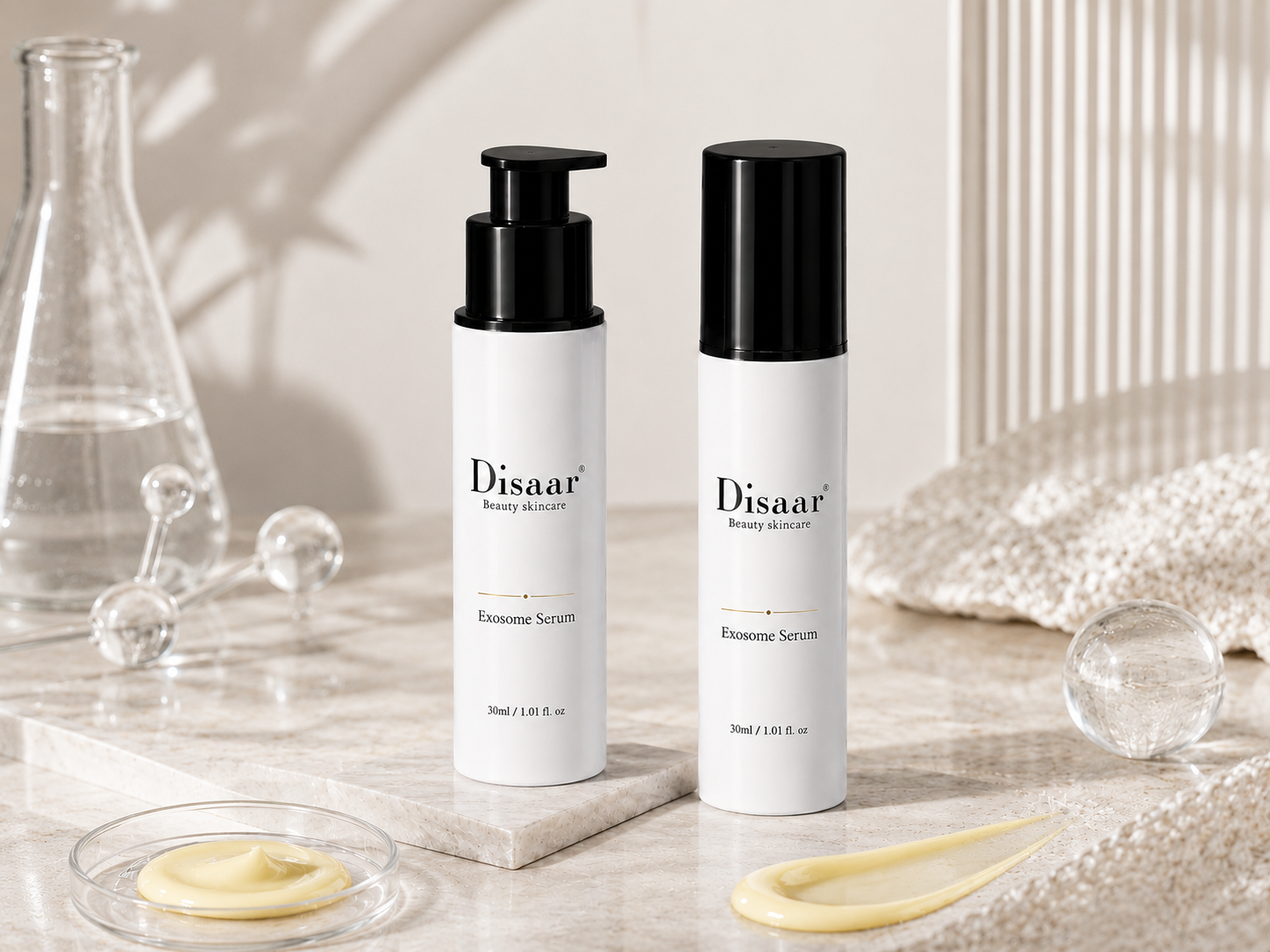
Exosome-inspired skincare is popular because it connects with several strong beauty trends at the same time: regenerative beauty, medical-aesthetic skincare, skin booster concepts, advanced repair care, and high-tech anti-aging products.
For buyers, the word “exosome” immediately feels more technical than ordinary ingredients such as basic moisturizers or plant extracts. It gives the product a stronger professional image and makes the brand look more advanced.
This is why exosome-inspired concepts are often used for:
However, the popularity of exosome skincare has also created confusion. Beauty and dermatology discussions have pointed out that exosome skincare is a fast-growing topic, but product claims, evidence, source consistency, and regulation are still areas that need caution.
For brand owners and buyers, the opportunity is to turn a high-tech concept into a product that feels credible, safe to explain, and suitable for the buyer's channel.
In my experience, exosome-inspired products work best when the brand uses the concept as a professional skincare story, not as a medical promise.
For brand owners, exosome-inspired skincare can help a brand build a more advanced product image, especially if the brand wants to move beyond basic hydration, whitening, or ordinary anti-aging products.
Exosome-Inspired Complex can support several product meanings:
The product can look more advanced and science-driven.
The product can focus on revitalized-looking skin, smoother-looking texture, and healthier-looking appearance.
The product can be positioned for tired-looking, stressed-looking, or dull-looking skin.
The product can fit beauty salons, skin management channels, and professional retail.
The product can become a higher-value serum, ampoule, cream, or mask.
This role is different from other ingredients in a medical-grade skincare product cluster. GHK-Cu Copper Peptides are stronger for peptide-based anti-aging. Bakuchiol is stronger for gentle anti-aging. PDRN is stronger for K-beauty-inspired repair positioning. Exosome-Inspired Complex is stronger for futuristic, regenerative-looking, advanced repair skincare concepts.
If you are still comparing different ingredient directions, our pillar guide on medical-grade skincare products for brands can help you understand how exosome-inspired skincare fits into broader SKU planning and OEM ODM development.
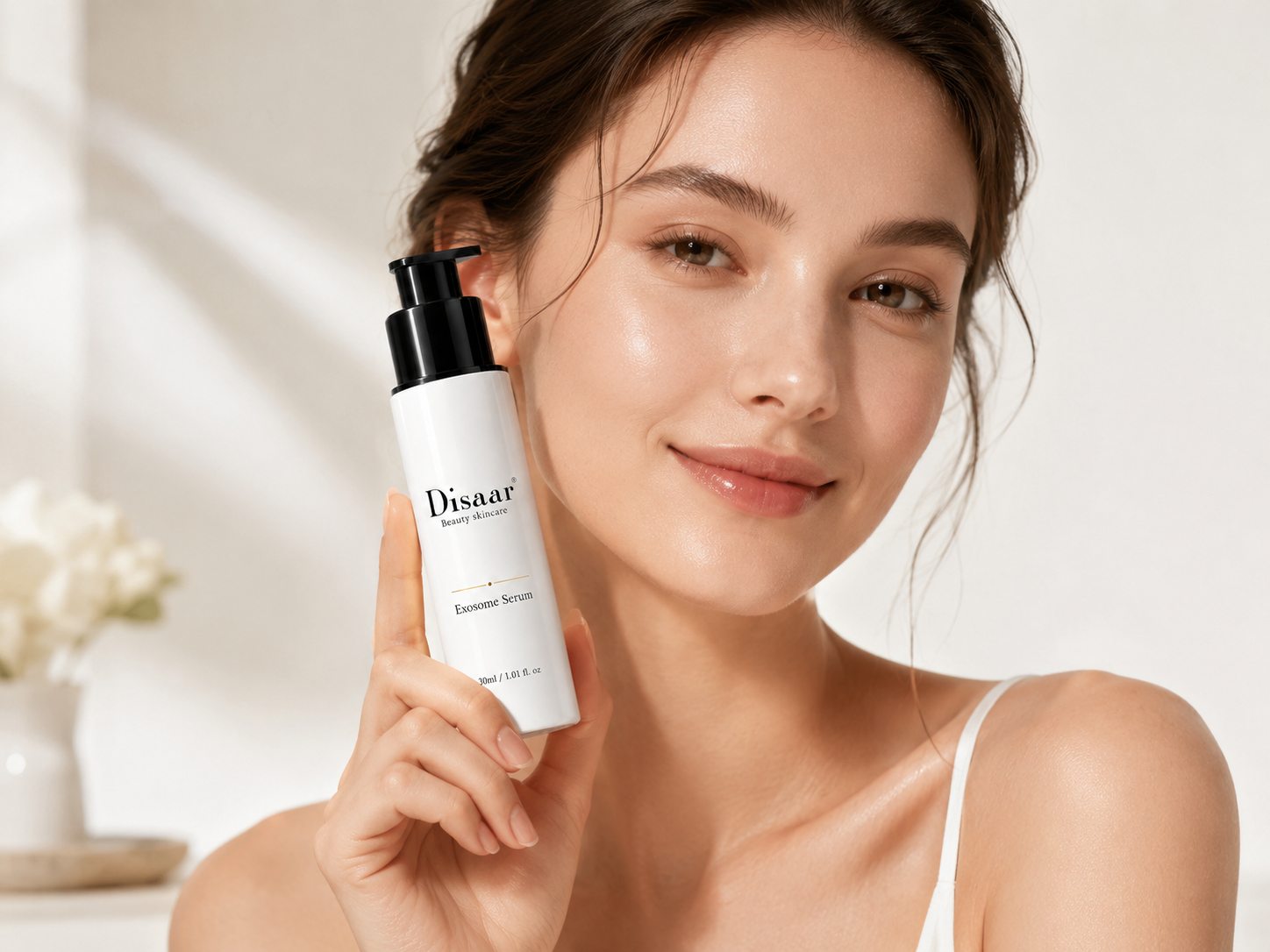
Before launching exosome-inspired skincare products, buyers should clarify the product logic first. This category is attractive, but it is also easy to overclaim.
Exosome-inspired is a positioning direction, not a license to make medical claims
A cosmetic skincare product should not imply that it works like a medical exosome therapy. The safer direction is to talk about revitalized-looking skin, smoother-looking texture, repair-inspired care, and professional skincare positioning.
The word “inspired” matters
For many skincare products, “exosome-inspired” is a safer and more realistic expression than suggesting the product is an actual medical exosome treatment.
It helps the brand communicate the concept as a biomimetic, technology-inspired, or advanced skincare story, while reducing the risk of sounding like a regulated therapy.
The product needs a clear cosmetic role
Before choosing packaging or writing product copy, buyers should decide the product role:
If the product role is unclear, the exosome-inspired story will also become unclear.
The story must be easy to explain.
If the sales team cannot explain the product without using medical words, the positioning may be too risky or too complicated.
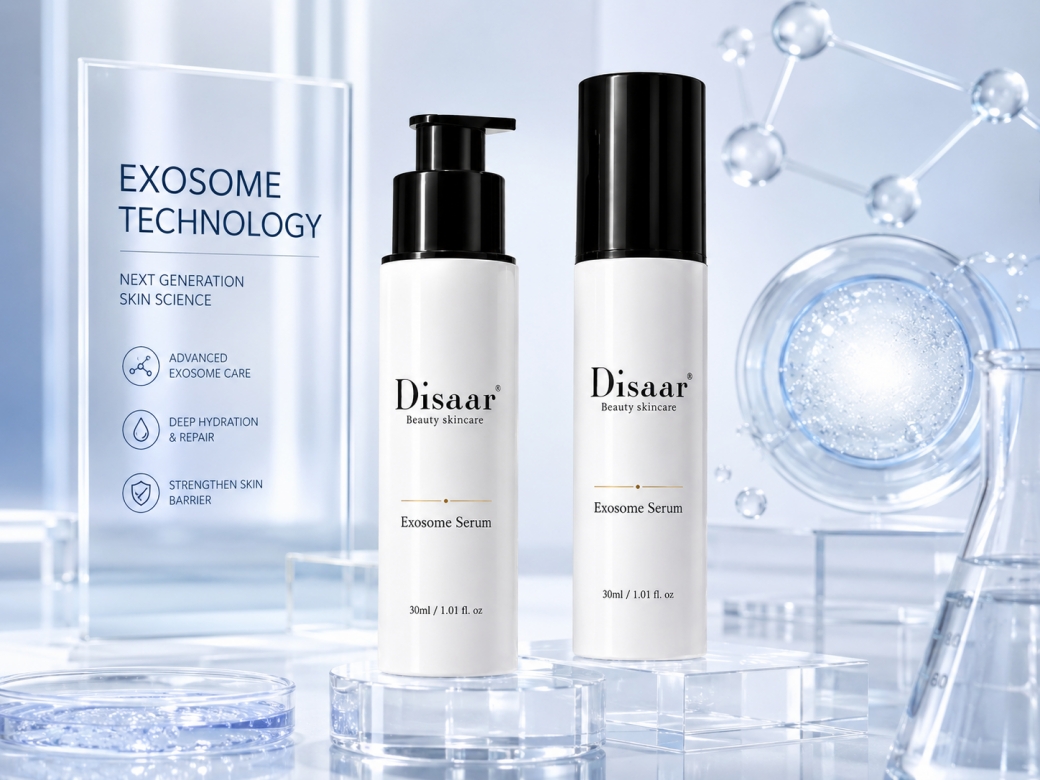
Exosome-inspired concepts work best in product formats that already carry premium skincare value. The product should feel advanced enough to match the concept.
Product Type |
Best Positioning |
Suitable Buyer |
Exosome-Inspired Serum |
High-tech repair and anti-aging hero SKU |
E-commerce brands, premium skincare brands, salons |
Exosome-Inspired Ampoule |
Professional skincare and salon-style product |
Beauty salons, skin management channels |
Exosome-Inspired Repair Cream |
Daily advanced repair product |
Retail brands, distributors |
Exosome-Inspired Mask |
Clinic-style add-on SKU |
Salons, e-commerce, skincare sets |
Exosome-Inspired Eye Cream |
Premium anti-aging and revitalizing SKU |
Anti-aging lines, high-value sets |
Exosome-Inspired Skincare Set |
Serum + cream + mask combination |
Brands with stronger channel capacity |
This is the most important part of exosome-inspired skincare development.
The word “regenerative” sounds attractive, but it can quickly become risky if the product copy implies medical regeneration, cellular repair, or tissue healing. FDA materials explain that a product’s intended use, including claims, is important in determining whether it is a cosmetic or drug. FDA also notes that the term “cosmeceutical” is not a legally recognized product category under U.S. law.
For skincare brands, the safer approach is to use appearance-based language.
Risky Claim |
Safer Direction |
Regenerates skin cells |
Supports a revitalized-looking complexion |
Repairs skin at cellular level |
Helps improve the look of tired or stressed skin |
Works like exosome therapy |
Inspired by professional skincare concepts |
Heals damaged tissue |
Supports smoother and healthier-looking skin |
Reverses aging |
Helps reduce the appearance of aging signs |
Medical regeneration skincare |
Regenerative-looking skincare positioning |
Treats post-procedure damage |
Post-care inspired comfort product |
Better wording directions include:
The product can still sound premium and advanced. It just should not sound like a medical treatment.
Professional skincare credibility should come from formula logic, texture, packaging, routine design, and safer claims, not from exaggerated medical language.
Exosome-Inspired Complex already has a strong high-tech story. Supporting ingredients should make the product easier to understand, not more difficult to explain.
This direction works well for premium anti-aging serums. It strengthens the professional skincare image and can support a higher-value SKU.
This is easier for daily use positioning. It connects the advanced concept with hydration, plump-looking skin, and smoother-looking appearance.
This direction makes the product more practical. It can support barrier care, comfort, and daily repair-inspired use.
This helps soften the product story and makes it easier to position for stressed-looking or tired-looking skin.
This can be useful in developing markets where tone-evening and bright-looking skin are important. Claims should avoid extreme whitening promises.
For exosome-inspired skincare, the formula story should stay clear. If too many high-tech claims are added, the product becomes harder to trust.
Exosome-inspired skincare is better suited for buyers who can explain advanced skincare value. It is not the best direction for buyers who only compete on price.
Medical-aesthetic skincare brands
The concept supports advanced, clinic-inspired, and professional skincare positioning.
Premium e-commerce brands
Online brands can use exosome-inspired skincare for education-based product pages, ingredient content, and advanced skincare routines.
Beauty salons
Salons can explain the product through consultation and professional routines.
Skin management channels
Ampoules, masks, and serums can fit professional skincare programs.
Professional skincare distributors
Distributors can use the concept as a higher-value SKU for premium channels.
Importers looking for advanced skincare concepts
Exosome-inspired products can help importers introduce something more differentiated than basic moisturizing or brightening products.
Exosome-inspired skincare needs product education, premium packaging, careful wording, and a suitable sales channel.
Packaging is especially important for exosome-inspired skincare because the concept creates a high expectation before the customer even tries the product.
The packaging should make the product look advanced, clean, and credible without making it look like a medical treatment.
Suitable packaging directions include:
For visual direction, exosome-inspired products often work well with silver, white, blue, translucent, frosted, or clean clinical-style packaging. But the design should still feel like skincare, not a hospital product.
Packaging should support:
In developing markets, packaging also needs to be practical. A beautiful bottle is not enough if it leaks, breaks, or cannot handle shipping and storage conditions.
Before launching, buyers should confirm three things:
For buyers planning a new advanced skincare line, our Custom Services can help review product direction, formula options, packaging compatibility, MOQ, private label possibilities, and OEM ODM development paths.
Contact our team to discuss whether an exosome-inspired serum, cream, ampoule, mask, or skincare set is suitable for your brand and target market.