EN
EN

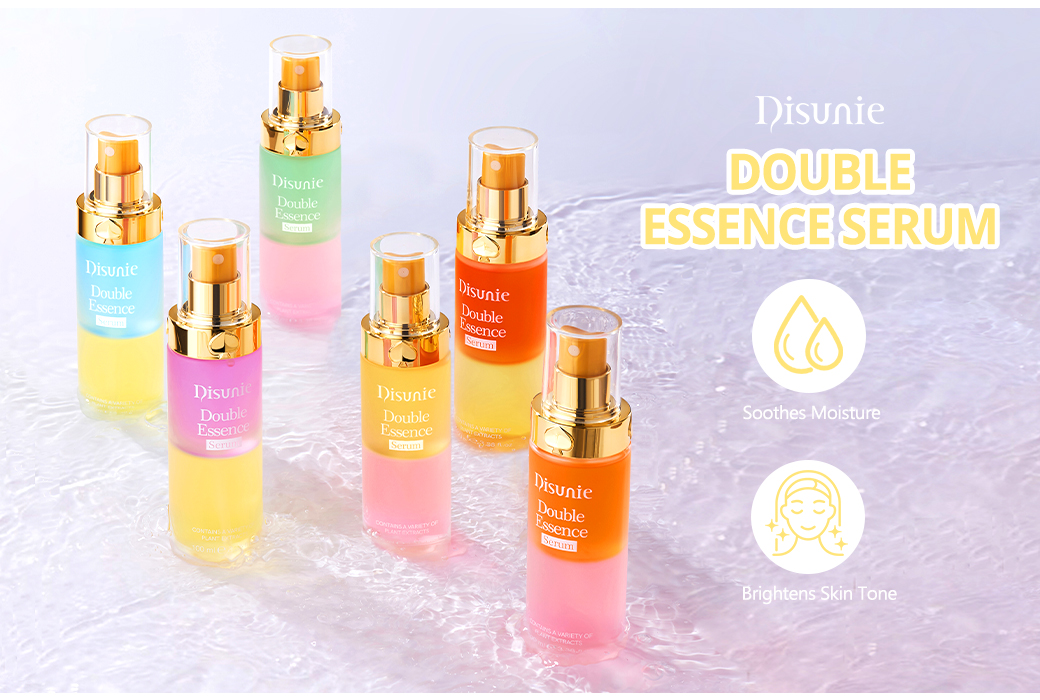
Disunie Double Essence Serum Series: Unlocking the journey of luxurious skin transformation
2025/04/17
2025/12/08
The beauty and skincare industry has experienced unprecedented growth, with consumers increasingly seeking personalized solutions that align with their unique skin concerns and lifestyle preferences. Entrepreneurs and established businesses alike are recognizing the immense potential of entering the skincare market through private label partnerships. This strategic approach allows companies to offer high-quality skincare products under their own brand name without the substantial investment required for independent research, development, and manufacturing facilities. The concept of private label skin care has revolutionized how businesses can quickly establish themselves in this lucrative market while maintaining competitive pricing and premium quality standards.
Developing private label skin care products presents significant financial advantages compared to creating formulations from scratch. Traditional product development requires substantial upfront investments in research facilities, laboratory equipment, regulatory compliance, and extensive testing phases that can span several years. Private label partnerships eliminate these barriers by providing access to proven formulations that have already undergone rigorous testing and quality assurance processes. This approach dramatically reduces the time-to-market timeline, allowing businesses to launch their skincare lines within months rather than years.
The risk mitigation aspect cannot be overstated when considering private label skin care opportunities. Established manufacturers have already invested in understanding ingredient interactions, stability testing, and safety protocols, transferring this knowledge to their private label partners. This shared expertise minimizes the potential for costly product recalls, regulatory violations, or consumer safety issues that could devastate a new brand's reputation and financial stability.
Private label manufacturers offer flexible production volumes that accommodate businesses at various growth stages. Whether launching with small batch orders to test market response or scaling up to meet increasing demand, these partnerships provide the infrastructure necessary for sustainable growth. The ability to adjust production quantities based on sales data and seasonal trends prevents overstock situations while ensuring adequate inventory levels to meet customer demand.
This scalability extends beyond mere production numbers to encompass product variety and customization options. Many private label skin care manufacturers maintain extensive catalogs of base formulations that can be modified with specific active ingredients, fragrances, or packaging options to create unique product offerings. This flexibility allows brands to respond quickly to market trends and consumer feedback without the lengthy development cycles associated with creating entirely new formulations.
One of the most compelling advantages of private label skin care development is the opportunity to create a distinctive brand identity that resonates with target consumers. While the base formulations may be shared among different private label partners, the branding, packaging, and marketing approach can be completely unique. This allows businesses to position their products in specific market segments, whether targeting luxury consumers, budget-conscious buyers, or specialized demographics such as sensitive skin sufferers or anti-aging enthusiasts.
The customization potential extends to ingredient selection, where brands can work with manufacturers to incorporate trending or specialty ingredients that align with their brand positioning. For instance, a brand focused on natural skincare can request formulations with organic botanicals, while a science-focused brand might emphasize clinically-proven peptides or advanced delivery systems. This level of customization ensures that private label skin care products can maintain authenticity and differentiation in competitive markets.
Modern private label manufacturers offer extensive packaging customization options that enable brands to create visually striking products that stand out on retail shelves or e-commerce platforms. From sustainable packaging materials that appeal to environmentally conscious consumers to luxury finishes that justify premium pricing strategies, the packaging possibilities are virtually limitless. This visual differentiation is crucial in the skincare industry, where consumers often make purchasing decisions based on aesthetic appeal and perceived quality.
The packaging customization process typically includes options for bottle shapes, closures, labeling techniques, and secondary packaging elements such as boxes or promotional inserts. These design elements work together to communicate brand values and create emotional connections with consumers, ultimately driving brand loyalty and repeat purchases. The ability to iterate on packaging designs based on market feedback provides ongoing opportunities for brand refinement and optimization.
Reputable private label skin care manufacturers operate under strict quality control protocols that meet or exceed industry standards for cosmetic production. These facilities typically maintain certifications such as Good Manufacturing Practices (GMP), ISO standards, and various international quality certifications that ensure consistent product quality and safety. This established infrastructure provides private label partners with access to professional-grade manufacturing capabilities without the need to develop these systems independently.
The quality assurance processes encompass every aspect of production, from raw material sourcing and testing to finished product stability assessments and microbiological testing. These comprehensive quality control measures help ensure that private label skin care products meet consumer expectations for effectiveness and safety while maintaining consistent performance across production batches. This reliability is essential for building consumer trust and maintaining brand reputation in competitive skincare markets.
Navigating the complex regulatory landscape surrounding cosmetic products requires specialized knowledge and ongoing attention to evolving requirements. Private label manufacturers typically employ regulatory experts who stay current with FDA regulations, international standards, and emerging compliance requirements. This expertise becomes available to private label partners, helping ensure that their products meet all necessary regulatory standards from initial launch through ongoing market presence.
The regulatory support often includes assistance with product labeling requirements, ingredient disclosure protocols, and safety documentation that may be required for retail partnerships or international expansion. This comprehensive regulatory backing reduces the risk of compliance violations while providing the documentation necessary to support marketing claims and build consumer confidence in product safety and efficacy.
The skincare industry is characterized by rapidly evolving consumer preferences and emerging ingredient trends that can create significant market opportunities for brands that respond quickly. Private label skin care development enables businesses to capitalize on these trends much faster than traditional product development cycles would allow. When new ingredients gain popularity or consumer preferences shift toward specific product categories, private label partners can often introduce relevant products within weeks or months.
This speed-to-market advantage is particularly valuable in the digital commerce environment, where social media trends and influencer recommendations can create sudden spikes in demand for specific product types. Brands that can quickly introduce trending products often capture significant market share and establish themselves as innovative leaders in their respective niches. The ability to test multiple product concepts quickly and cost-effectively also supports data-driven decision making about which products to prioritize for long-term development.
While private label skin care products may share base formulations with other brands, the overall product offering can be differentiated through strategic combinations of ingredients, packaging, pricing, and marketing approaches. Successful private label brands often focus on specific consumer segments or address particular skin concerns that may be underserved by existing market offerings. This targeted approach allows smaller brands to compete effectively against larger established companies by offering more personalized solutions.
The differentiation opportunities extend to value proposition development, where brands can position their private label skin care products based on factors such as ingredient transparency, sustainable sourcing, clinical testing, or specialized application methods. These positioning strategies help create unique market spaces where brands can build loyal customer bases and command premium pricing despite using established manufacturing partnerships.
Ready to quickly launch your custom private label skincare line? Contact us now to receive professional support and tailored solutions!
The timeline for launching private label skin care products varies depending on customization requirements and regulatory considerations, but most projects can be completed within 3-6 months. Simple formulation modifications and standard packaging options may be ready in as little as 6-8 weeks, while more complex customizations involving new packaging designs or specialized ingredients may require 4-6 months. This timeline includes formulation finalization, packaging design approval, production, and quality testing phases.
Minimum order quantities for private label skin care products typically range from 500 to 5,000 units per product, depending on the manufacturer and product complexity. Many manufacturers offer lower minimums for initial test orders, allowing brands to validate market demand before committing to larger production runs.
Yes, private label skin care products can be sold internationally, provided they meet the regulatory requirements of target markets. Many private label manufacturers have experience with international compliance and can formulate products that meet multiple regulatory standards simultaneously. However, some markets may require additional testing, documentation, or formulation modifications to comply with local regulations. It's advisable to work with manufacturers who have international regulatory expertise and can provide the necessary documentation for global market entry.
Private label skin care development typically costs 60-80% less than independent product development when considering all associated expenses. While the per-unit cost may be higher than large-scale manufacturing, the elimination of research and development expenses, regulatory compliance costs, equipment investments, and facility requirements results in significant overall savings. Additionally, the reduced time-to-market means brands can begin generating revenue much sooner, improving return on investment and cash flow management during the crucial early stages of business development.