EN
EN


Disunie Double Essence Serum Series՝ բازավոր ոճի փոխակերպման ճանապարհը բացելու համար
2025/04/17

2025/12/06
Մաշկի խնամքի բրենդների, ներմուծողների և մասնավոր լեյբլների գնորդների համար OEM մաշկի խնամքի արտադրությունը ամբողջական գործընթաց է, որը կապում է արտադրանքի գաղափարը, բաղադրության նմուշառումը, տարաների ընտրությունը, կայունության վերանայումը, նվազագույն պատվերի չափի (MOQ) պլանավորումը, մեծ ծավալով արտադրությունը, որակի վերահսկումը և առաքումը:
Այս ձեռնարկը մանրամասն բացատրում է, թե ինչպես է աշխատում OEM մաշկի խնամքի արտադրության գործընթացը քայլ առ քայլ, ինչ պետք է նախապատրաստի գնորդը գործարանի հետ կապ հաստատելուց առաջ և որ ստուգման կետերն են ազդում արժեքի, առաքման ժամանակահատվածի, արտադրանքի որակի և շուկայի դուրս գալու արագության վրա:
Եթե դուք պլանավորում եք հարմարեցված մաշկի խնամքի նախագիծ, կարող եք նաև ծանոթանալ մեր Հարմարեցված մաշկի խնամքի արտադրության ծառայությունների հետ որպեսզի հասկանաք, թե ինչպես ենք մենք աջակցում բաղադրության հարմարեցմանը, տարաների դիզայնին, տեքստուրայի ճշգրտմանը և արտադրության պլանավորմանը:
OEM մաշկի խնամքի արտադրությունը վերաբերում է այնպիսի բիզնես մոդելի, երբ ապրանքանիշը իր մաշկի խնամքի ապրանքների արտադրությունը վերապրանքավորում է երրորդ կողմի արտադրողին: Ապրանքանիշը սովորաբար տրամադրում է ապրանքի տեխնիկական հատկությունները՝ ներառյալ բաղադրիչները, բաղադրությունները և փաթեթավորման դիզայնը: Այնուհետև արտադրողը խմբաքանակով արտադրում է ապրանքը՝ հիմնվելով այդ հատկությունների վրա:
ՕԵՄ-ի հետ համագործակցությունը թույլ է տալիս մաշկի խնամքի բրենդներին նվազեցնել ներքին արտադրության հետ կապված ծախսերը, հասանելիություն ստանալ առաջադեմ տեխնոլոգիաներին և փորձին ու ընդլայնել իրենց արտադրանքների առաջարկը: Չկա անհրաժեշտություն բարդ արտադրական սարքավորումներ ստեղծելու:

ԱՊՐԱՆՔԱՆԻՇԻ մաշկի խնամքի արտադրության գործընթացը պարզապես արտադրության տեխնիկական փուլերի հաջորդականություն չէ։ Մաշկի խնամքի ապրանքանիշերի սեփականատերերի համար այն հանդիսանում է ռազմավարական համակարգ, որն անմիջականորեն ազդում է մասշտաբավորման, հաստատության և երկարաժամկետ շուկայական մրցունակության վրա:
Երբ ապրանքանիշը փոքր շարքերով արտադրությունից անցնում է ավելի մեծ ծավալների, առաջանում են մեծ կարևորություն ունեցող մարտահրավերներ, ինչպիսիք են՝ բաղադրամասի կայունությունը, շարքից շարք հաստատությունը, առաքման ժամկետների կառավարումը և կանոնակարգային համապատասխանությունը։ Լավ կառուցված ԱՊՐԱՆՔԱՆԻՇԻ արտադրության գործընթացը օգնում է ապրանքանիշերին կառավարել այս փոփոխականները՝ ստանդարտացված բաղադրամասերի սխեմաների, հաստատված արտադրական աշխատանքային ընթացակարգերի և փաստաթղթերով ամրագրված որակի վերահսկման կետերի միջոցով:
Ավելի կարևոր է, որ փորձառու OEM արտադրողը արտադրման գործընթացը համաձայնեցնում է բրենդի զարգացման ռազմավարության հետ: Սա ներառում է այնպիսի ձևավորումների մշակում, որոնք կարող են մասշտաբավորվել՝ առանց կատարողականի կորստի, այն տուփավորման ընտրություն, որը համատեղելի է մեծ ծավալով լցնող գծերի հետ, և արտադրության ժամանակացույցների սահմանում, որոնք աջակցում են տարածաշրջանային ընդլայնմանը և սեզոնային պահանջարկի ցիկլերին:
Բրենդերի սեփականատերերի համար այս գործընթացը հասկանալը հնարավորություն է տալիս ավելի լավ որոշումներ կայացնել՝ մատակարարների ընտրությունից սկսած մինչև ներդրման պլանավորում: Առանձին արտադրական քայլերին սահմանափակվածության փոխարեն՝ մասշտաբավորվող OEM արտադրությունը հնարավորություն է տալիս բրենդերին ստեղծել կրկնվող համակարգ, որն աջակցում է ներդրումների դաշտի ընդլայնմանը, շուկայում ներխուժմանը և երկարաժամկետ բրենդային արժեքի կառուցմանը:
ՕԵՄ մաշկի խնամքի արտադրանք ստեղծելու ճանապարհը սկսվում է կոնցեպցիայի փուլով: Այս փուլում բրենդը նշում է իր արտադրանքի նպատակները և այն, թե ինչպես է այն բավարարելու թիրախային շուկայի պահանջները:
Առաջին քայլը ներառում է բրենդի և OEM արտադրողի միջև հստակ հաղորդակցություն: Բրենդը իր տեսլականը կիսում է արտադրանքի վերաբերյալ՝ օրինակ՝ ծերացման դեմ, լուսավորում, խոնավացում կամ ցանկացած այլ մաշկի խնդիր: Նա նաև նշում է ցանկացած եզակի վաճառքի միջոց՝ օրինակ՝ բնական կամ օրգանական բաղադրիչներ, կենդանիների վրա փորձարկումների բացակայության մասին հայտարարություն կամ դերմատոլոգիապես ստուգված արտադրանք:
Սա կարևոր փուլ է, քանի որ արտադրողը պետք է հասկանա բրենդի նպատակները՝ նախքան ձևավորումն ու արտադրությունը շարունակելը:
Երբ հայեցակարգը սահմանված է, միանում է արտադրողի հետազոտության և մշակման (R&D) թիմը: Այս փուլում R&D-ի փորձագետները աշխատում են ապրանքի ձևավորման վրա՝ բավարարելու բրենդի պահանջները: R&D-ի թիմերը կենտրոնանում են այնպիսի բաղադրատոմսերի ստեղծման վրա, որոնք ոչ միայն արդյունավետ են, այլ նաև անվտանգ՝ սպառողների համար: Սա ներառում է ապրանքների ձևավորումը՝ ճիշտ pH հավասարակշռությամբ, կոնսիստենտությամբ և հոտով:
Կախված ապրանքի բարդությունից՝ արտադրողները կարող են մասնագիտական R&D կենտրոնի հնարավորություններից օգտվել տարբեր բաղադրիչներ փորձարկելու համար՝ համոզվելու համար, որ դրանք համապատասխանում են որակի և կանոնակարգային չափանիշներին:
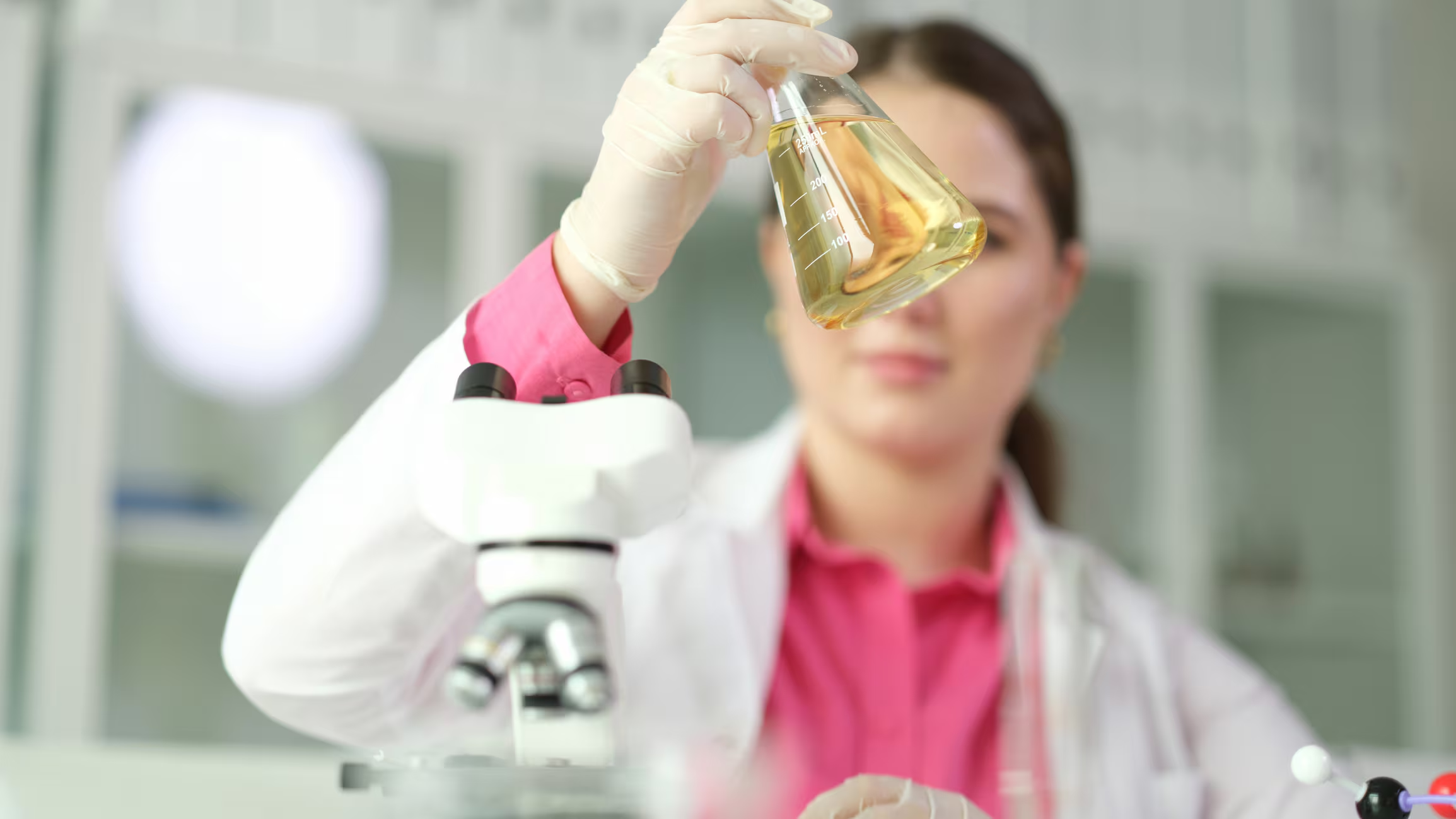
Բանաձևի մշակումից հետո արտադրողը ընդունակ է արտադրելու նմուշ-պրոտոտիպ՝ ըստ բրենդի հաստատման: Սա գործընթացի կարևոր մասն է, քանի որ հնարավորություն է տալիս բրենդին փորձարկել ապրանքը և կարծիք հայտնել: Եթե անհրաժեշտ է կատարել որևէ կարգավորում, օրինակ՝ հոտ, կոնսիստենտություն կամ տեքստուրա, ապա արտադրողը կարող է կատարել այդ փոփոխությունները մինչև սերիական արտադրությունը սկսելը:
Ապրանքի գաղափարը ավարտվելուց հետո ճիշտ բաղադրիչներ գտնելը կարևոր է: Սա ապահովում է այն բանը, որ մաշկի խնամքի ապրանքը կատարում է իր խոստումները: OEM արտադրողներն ունեն հաստատված հարաբերություններ վստահելի մատակարարների հետ, ովքեր բարձրորակ հումք են տրամադրում: Կախված թիրախային լսարանից և ապրանքի հայտարարություններից՝ բրենդերը կարող են ընտրել բնական, օրգանական կամ սինթետիկ բաղադրիչներ:
Որակը հիմնական կենտրոնացման կետ է: Բաղադրիչները պետք է համապատասխանեն տեղական և միջազգային ստանդարտներին (ինչպես, օրինակ, FDA-ի նորմատիվները ԱՄՆ-ում կամ Եվրոպայի համար կոսմետիկայի կանոնակարգը): Բացի այդ, ստեղծված է հետևողականության համակարգ, որը երաշխավորում է, որ օգտագործվող բաղադրիչները անվտանգ, համապատասխան և էթիկապես ստացված են:
Բաղադրությունը այն տեղն է, որտեղ տեղի է ունենում հրաշքը: OEM արտադրողի փորձագետները ընտրված բաղադրիչների միջոցով ստեղծում են վերջնական արտադրանքը: Սա մի նրբագեղ գործընթաց է: Այս գործընթացում ակտիվ բաղադրիչների, կոնսերվանտների և հիմնական բաղադրիչների ճիշտ համամասնությունը պետք է հավասարակշռված լինի:
Յուրաքանչյուր բաղադրություն ենթարկվում է խիստ փորձարկումների՝ համոզվելու համար, որ այն անվտանգ, կայուն և արդյունավետ է: Որոշ արտադրողներ կայունության փորձարկումների համար օգտագործում են առաջադեմ կոսմետիկական լաբորատորիաներ, որոնք երաշխավորում են, որ արտադրանքը ժամանակի ընթացքում պահպանում է իր արդյունավետությունը:
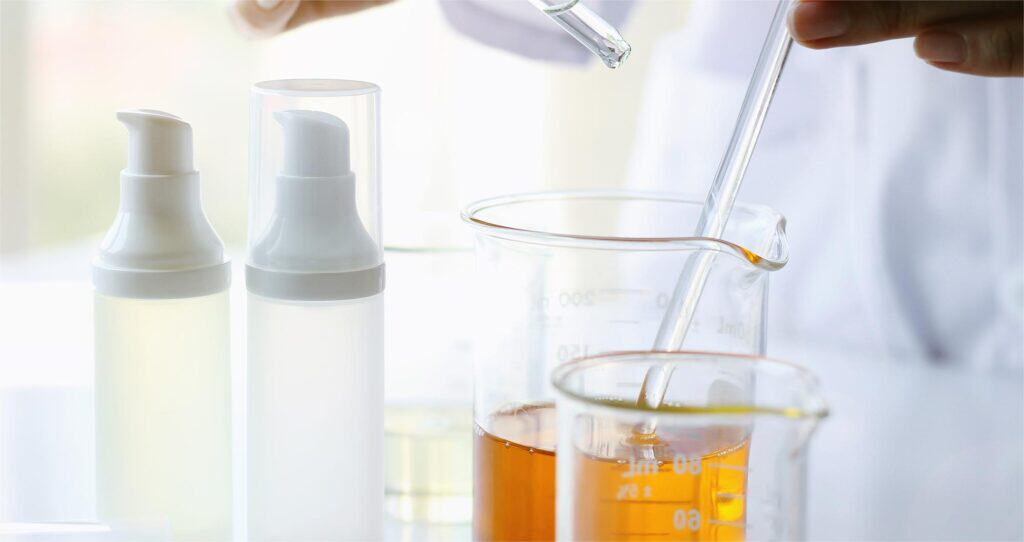
Փաթեթավորումը ավելի շատ է, քան պարզապես տարա. այն ապրանքանիշի ինքնության կարևոր մասն է: Ուժեղ փաթեթավորման դիզայնը կարող է որոշող լինել ապրանքի հաջողության համար խանութի թեքանիվների վրա: Այս փուլում ապրանքանիշը համագործակցում է արտադրողի հետ՝ ընտրելու համապատասխան փաթեթավորում, որը արտացոլում է ապրանքանիշի արժեքներն ու ապրանքի նպատակները:
Օրինակ, լավագույն կանխատեսումների ապրանքանիշերը կարող են ընտրել բարձրակարգ ապակե տարաներ, իսկ էկոլորտի ապրանքանիշերը կարող են նախընտրել կենսաքայքայվող կամ վերամշակվող փաթեթավորում: Մշակվում են նաև հատուկ պիտակների դիզայններ՝ սպառողներին ապրանքի առավելություններն ու բաղադրիչները հաղորդելու համար: Այս փաթեթավորման փուլը նաև ներառում է փաթեթավորման օգտագործողաբար հարմար և գործառույթային լինելու ապահովումը:
Նախքան սերիական արտադրությունը սկսելը, փաթեթավորման դիզայններն ու պրոտոտիպերը վերանայվում և հաստատվում են: Արտադրողները ստեղծում են մակետներ և ուղարկում բրենդին՝ վերջնական հաստատման: Եթե անհրաժեշտ է որևէ փոփոխություն, այն կատարվում է այս փուլում՝ վերջնական արտադրանքի ճիշտ էսթետիկ և գործառույթային հատկանիշները ապահովելու համար:
Պատվերների արտադրության գործընթացը սկսվում է փաթեթավորման նախագծերի հաստատումից հետո: OEM մաշկի խնամքի արտադրողների մեծ մասը գործում է GMP- ի կողմից հավաստագրված (Լավ արտադրական պրակտիկա) հաստատություններում, որոնք համապատասխանում են բարձրորակ արտադրական ստանդարտներին: Այսինքն, նրանք օգտագործում են ամենաարդյունավետ սարքավորումներ եւ աշխատում են վերահսկվող միջավայրում, որպեսզի ապահովեն արտադրանքի համահունչությունը եւ անվտանգությունը:
Արտադրողի արտադրական հզորությունը մեծ դեր է խաղում այն ժամկետներում ու քանակներում, որոնք բրենդը կարող է արտադրել: Livepro-ն ունի 90 000+ քառ. մ մակերեսով արտադրական բազա, 30-ից ավելի բարձր ստանդարտների արտադրական գծեր և 1 000 000-ից ավելի արտադրանքի օրական արտադրական հզորություն: Եթե բրենդները աշխարհայաց շուկայի համար միլիոնավոր միավորներ են անհրաժեշտ արտադրել, մենք ամբողջովին կարող ենք բավարարել դրանք:
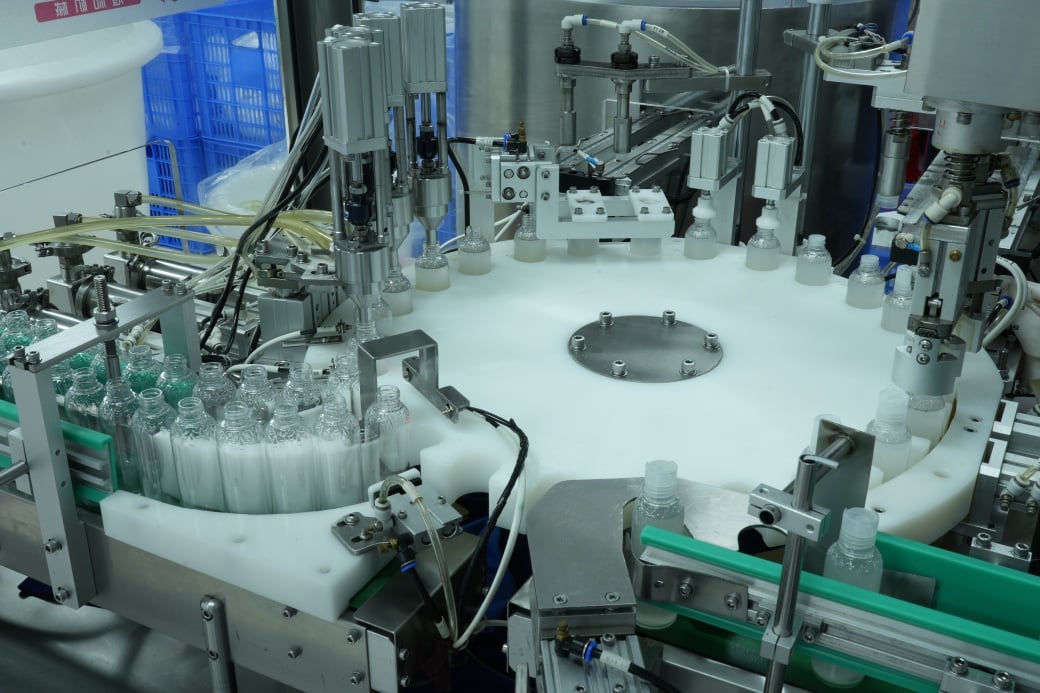
Այս փուլի ընթացքում հումքը խառնվում է՝ վերածվելով վերջնական արտադրանքի: Արտադրողը օգտագործում է հատուկ սարքավորումներ՝ ակտիվ բաղադրիչները հիմնական բանաձևին խառնելու համար: Երբ արտադրանքը պատրաստ է, այն լցվում է ընտրված փաթեթավորման մեջ՝ անկախ նրանից, թե դա շշեր են, տուփեր, թե խողովակներ, և կնքվում է փոխադրման համար:
Թույլատրված լցման տեխնոլոգիաները ապահովում են արտադրանքի ճշգրիտ քանակի լցումը յուրաքանչյուր տարայի մեջ՝ ապահովելով համազորություն և ճշգրտություն:
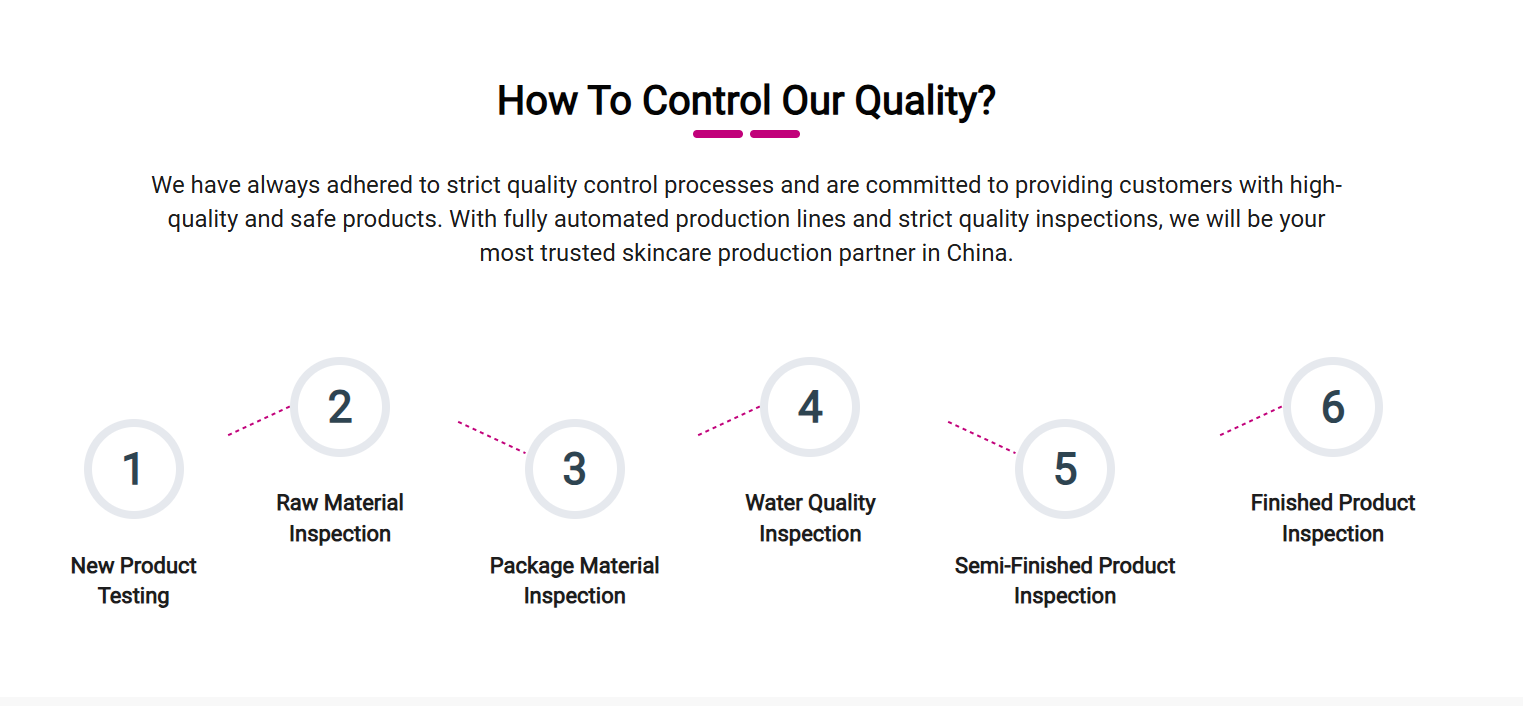
Արտադրանքը արտադրության գործընթացի յուրաքանչյուր փուլում անցնում է որակի վերահսկման ստուգումներ: Այս ստուգումները ապահովում են, որ վերջնական արտադրանքը համապատասխանում է մաքրության, համահունչության եւ անվտանգության անհրաժեշտ չափանիշներին: Որոշ արտադրողներ նույնիսկ կլինիկական փորձարկումներ են իրականացնում արտադրանքի պնդումները հաստատելու համար (օրինակ ՝ "հիպոալերգենիկ" կամ "հակ ծերացում") ։
Նվազագույն պատվերի չափը (MOQ) և առաքման ժամանակահատվածը սովորաբար կախված են բաղադրության տեսակից, տարաների ընտրությունից, տպագրության մեթոդից, փորձարկման անհրաժեշտությունից և նրանից՝ արդյոք գնորդը ընտրել է արդեն գոյություն ունեցող բաղադրություն, թե ամբողջությամբ հարմարեցված բաղադրություն: Արդեն գոյություն ունեցող բաղադրությունները, որոնք ունեն պատրաստի տարաներ, սովորաբար ավելի արագ են արտադրվում, իսկ նոր բաղադրության մշակումը, հատուկ տարաները, հարմարեցված բույրը, գույնը կամ հայտարարությունների փորձարկումը կարող են պահանջել ավելի շատ ժամանակ մեծ ծավալով արտադրության սկսելուց առաջ:
Մեծ ծավալով արտադրության սկսելուց առաջ գնորդները պետք է նաև հաստատեն որակի վերահսկման կետերը, ինչպես օրինակ՝ բաղադրության տեսքը, տեքստուրան, բույրը, ծանրությունը, pH արժեքը, տարաների համատեղելիությունը, կայունության վերլուծությունը և վերջնական արտադրանքի ստուգումը: Այս մանրամասները նպաստում են արտադրական ռիսկերի նվազեցմանը և աջակցում են ավելի կայուն կրկնվող պատվերների ստացմանը:
Ապրանքը գլոբալ շուկայում վաճառելու համար անհրաժեշտ է, որ այն համապատասխանի տեղական կանոնակարգերին: ԱՄՆ-ում սա նշանակում է կոսմետիկայի համար FDA-ի ուղեցույցներին հետևելը: Եվրոպական Միությունում ապրանքը պետք է համապատասխանի ԵՄ կոսմետիկայի կանոնակարգին՝ ապահովելով անվտանգության, պիտակավորման և հայտարարությունների չափանիշներին համապատասխանություն:
OEM արտադրողները օգնում են ապրանքային նշաններին այդ կանոնակարգերի միջոցով անցնել և հաճախ կատարում են արտադրանքի գրանցումները՝ ապահովելով, որ յուրաքանչյուր արտադրանք օրինական կերպով շուկայավարվի:
Կոշտությունից ազատ, վեգան, օրգանական կամ դերմատոլոգիապես փորձարկված հավաստագրման պիտակները կարող են բարձրացնել ապրանքի հարկավորությունը։ OEM արտադրողը աշխատում է երրորդ կողմի կազմակերպությունների հետ՝ այս հավաստագրումները տրամադրելու համար։ Այսպիսով, նրանք կարող են ավելի շատ տարբերակել բրենդը խիտ շուկայում։
Արտադրությունից հետո ապրանքը պետք է վերջնական փաթեթավորվի։ Սա ներառում է տարաների կնքումը, պիտակների ճիշտ կիրառումը և ապրանքի բոլոր կանոնական պահանջներին համապատասխանության ստուգումը (բաղադրիչների ցանկ, օգտագործման հրահանգներ և այլն)։
Վերջնական փաթեթավորումը պետք է արտացոլի նաև բրենդի ինքնությունն ու հաղորդագրությունը։ Այս պատճառով այս քայլը կարևոր է ապրանքատեսակի միջև համա consistency պահպանման համար։
Փաթեթավորմանից հետո կատարվում է որակի ստուգման ևս մեկ փուլ։ Սա ներառում է փաթեթավորման հնարավոր թերությունների ստուգում, ապրանքի համազանգվածության փորձարկում և արտադրանքի ընդհանուր տեսքի հաստատում։ Եթե հայտնաբերվեն խնդիրներ, այդ միավորները հեռացվում են շարքից։
Վերջնական արտադրանքը զգուշությամբ փաթեթավորվում է տրանսպորտային փոխադրման համար։ Ճիշտ փաթեթավորումը պաշտպանում է արտադրանքը փոխադրման ընթացքում վնասվածքներից։ Հատկապես այն դեպքերում, երբ արտադրանքը պարունակում է զգայուն բաղադրիչներ, ինչպիսիք են ակտիվ բուսական նյութերը կամ էթերայուղերը։
Այս փուլում տրանսպորտային ընկերությունները արտադրանքը տեղափոխում են ապրանքանիշի բաշխման կենտրոն կամ ռետայլ կետեր։ Այս քայլը կարող է ներառել միջազգային փոխադրումներ, таможնային մաքրում և պահեստային պահում։
![Packing & Delivery].png](https://shopcdnalpha.grainajz.com/category/25713/1656/64a083b098b2e52ccab1b4c5c9611fee/Packing_%26_Delivery%5D.png)
Նույնիսկ ապրանքները փոխադրելուց հետո OEM արտադրողը կարող է շարունակել աջակցություն ցուցաբերել: Սա կարող է ներառել խնդիրների լուծում, սպառողներից հետադարձ կապի տրամադրում կամ արտադրական գործընթացի ճշգրտում՝ կախված շուկայի հետադարձ կապից:
Կախված արտադրողի և բրենդի միջև կնքված համաձայնագրից՝ OEM-ն կարող է նաև կառավարել պաշարները և դրանք համալրել: Սա ապահովում է, որ բրենդը կարողանա բավարարել շուկայական պահանջարկը՝ առանց պաշարների սպառման մասին անհանգստանալու:
Դպրոցի ձեր նախագծի ավելի արագ գնահատման օգնության համար գնորդները պետք է նախապես պատրաստեն ապրանքի հիմնական ուղղությունը՝ OEM մաշկի խնամքի նախագիծը սկսելուց առաջ: Հստակ հանձնարարագիրը կարող է նվազեցնել կրկնվող հաղորդակցությունը և ավելի արդյունավետ դարձնել բաղադրության նմուշառումը, տարաների ընտրությունը և գնային առաջարկների ներկայացումը:
Եթե չեք համոզված, թե որն է հարմար բաղադրությունը կամ տարաների ուղղությունը, կարող եք կապվել մեր թիմի հետ՝ ներկայացնելով ձեր արտադրանքի գաղափարը: Մենք կարող ենք օգնել վերլուծել նախագծի ուղղությունը, հասանելի բաղադրությունների տարբերակները, տարաների իրականացման հնարավորությունը և արտադրության ճանապարհը:
OEM մաշկի խնամքի արտադրողի հետ համագործակցությունը շատ առավելություններ է տալիս այն բրենդերի համար, որոնք ձգտում են պարզեցնել արտադրության գործընթացները և արագ, արդյունավետ շուկա հասցնել իրենց ապրանքները: Արտադրությունը արտաքին կազմակերպությանը վստահելով՝ բրենդերը կարող են կենտրոնանալ իրենց հիմնական ուժերի վրա՝ ինչպիսիք են մարքեթինգը, բրենդինգը և վաճառքը, մինչդեռ հենվում են արտադրողի փորձի և ենթակառուցվածքի վրա՝ արտադրության բարդությունները կառավարելու համար:
Եթե դուք պլանավորում եք մշակել մաշկի խնամքի արտադրանքների շարք, Livepro Beauty-ը կարող է աջակցել բաղադրության ընտրությանը, նմուշների մշակմանը, տարաների համատեղելիությանը, մասնավոր լեյբլի դիզայնին և մեծ քանակով արտադրությանը:
Կապ մեզ հետ կիսվելու ձեր արտադրանքի կատեգորիայով, թիրախային շուկայով, տարաների գաղափարով և սպասվելիք պատվերի պլանով: Մեր թիմը կարող է օգնել ձեզ վերլուծել բաղադրության տարբերակները, հարմարեցման ճանապարհը, նվազագույն պատվերի քանակը (MOQ), առաքման ժամանակահատվածը և արտադրության իրականացման հնարավորությունը:
1) Ի՞նչ է ծերուկի խնամքի արտադրության գործընթացը
Տիպիկ կեղևային խնամքի արտադրության գործընթացը GMP գործարանում ներառում է արտադրանքի նախապատրաստում, բաղադրամասերի ձևավորում, լաբորատորիայում փորձարկում, կայունության և միկրոկենսաբանական փորձարկումներ, համատեղելիության ստուգում փաթեթավորման հետ, փորձնական շարք, խմբաքանակի արտադրություն, լցում, վերջնական որակի վերահսկում և առաքում: Ճշգրիտ քայլերը տարբերվում են կախված արտադրանքի տեսակից (ստվար, տոներ, արևի ֆիլտր, դիմակ) և բաղադրամասի ռիսկի մակարդակից:
2) Ինչպե՞ս են արտադրվում կեղևային խնամքի արտադրանքները գործարանում (քայլ առ քայլ):
Շատ գործարաններ հետևում են նույն հիմնական աշխատանքային հոսքին. հումքի ստուգում → կշռում → էմուլսիա կամ խառնում → սառեցում → pH/խտության ճշգրտում → ընթացակարգի ընթացքում որակի ստուգումներ → պահեստային տանկ → լցում → փականների կամ կնիքի տեղադրում → պիտակավորում/փաթեթավորում → վերջնական ստուգում: GMP պահանջները կենտրոնանում են հիգիենայի վերահսկման, փաստաթղթավորման և յուրաքանչյուր փուլում հետևելիության վրա:
3) Խմբաքանակի արտադրությունից առաջ որո՞նք են պահանջվող փորձարկումները
Մինչև զանգվածային արտադրության անցումը՝ գործարանները, սովորաբար, կատարում են կայունության փորձարկում (ջերմաստիճանային ցիկլեր և հասունացում), միկրոկենսաբանական փորձարկում (բաղադրության անվտանգությունը հաստատելու համար) և փաթեթավորման համատեղելիության փորձարկումներ (համոզվելու համար, որ բաղադրությունը չի փոխազդում շիշի, պոմպի կամ պատյանի հետ): Որոշ ապրանքների համար կարող են պահանջվել լրացուցիչ ստուգումներ, ինչպիսիք են կոնսերվանտի արդյունավետության/մարտահրավերի փորձարկումը կամ SPF-ին առնչվող վավերացումը՝ կախված շուկայից:
4) Որքա՞ն է կեղևային խնամքի արտադրության ժամանակահատվածը:
Ժամանակացույցը կախված է նրանից, թե արդյոք բաղադրությունը արդեն գոյություն ունի, թե նոր է մշակվել: Սովորական մասնավոր պիտակի նախագիծը ներառում է նմուշի մշակում և փոփոխություններ, փորձարկում/վավերացում, փաթեթավորման հաստատում, ապա զանգվածային արտադրություն և լցում: Ինքնըստինքյան արտադրությունը կարող է համեմատաբար արագ լինել, սակայն փորձարկումներն ու հաստատումները հաճախ են լինում իրական ժամանակային գործոններ՝ հատկապես կայունությունը, միկրոկենսաբանությունը և փաթեթավորման համատեղելիությունը:
5) Ո՞րն է OEM և մասնավոր պիտակի կեղևային խնամքի տարբերությունը:
Անհատական պիտակը, որպես կանոն, նշանակում է, որ դուք ընտրում եք արդեն գոյություն ունեցող բաղադրատոմսը և փոխում եք ապրանքային նշանը/փաթեթավորումը։ OEM-ն (և երբեմն «ստեղծված բաղադրատոմս») սովորաբար ներառում է բաղադրատոմսի փոփոխություն կամ մշակում, հումքի ընտրություն և արդյունավետության նպատակների սահմանում։ Փաստացի, աշխատանքային հոսքը նույնն է, սակայն OEM նախագծերը սովորաբար ավելի շատ փորձարկումներ են և հաստատումներ պահանջում մեծ քանակով արտադրության սկզբից առաջ: