EN
EN


Disunie Double Essence Serum Series: Unlocking the journey of luxurious skin transformation
2025/04/17
2026/09/30
For buyers sourcing facial creams, lotions, and other moisturizing products, barrier care is a practical direction for product selection and line planning. The goal is not to make medical promises: it is to build a clear moisturizer range around hydration, barrier-support ingredient direction, texture, pack format, and a defined role for each SKU.
When shoppers describe dryness, tightness, roughness, or a less comfortable skin feel, a simple moisturizing routine may be relevant to their preferences. For distributors and private-label teams, that creates a practical positioning direction: organize products around everyday hydration and comfort while keeping product claims aligned with local review requirements.
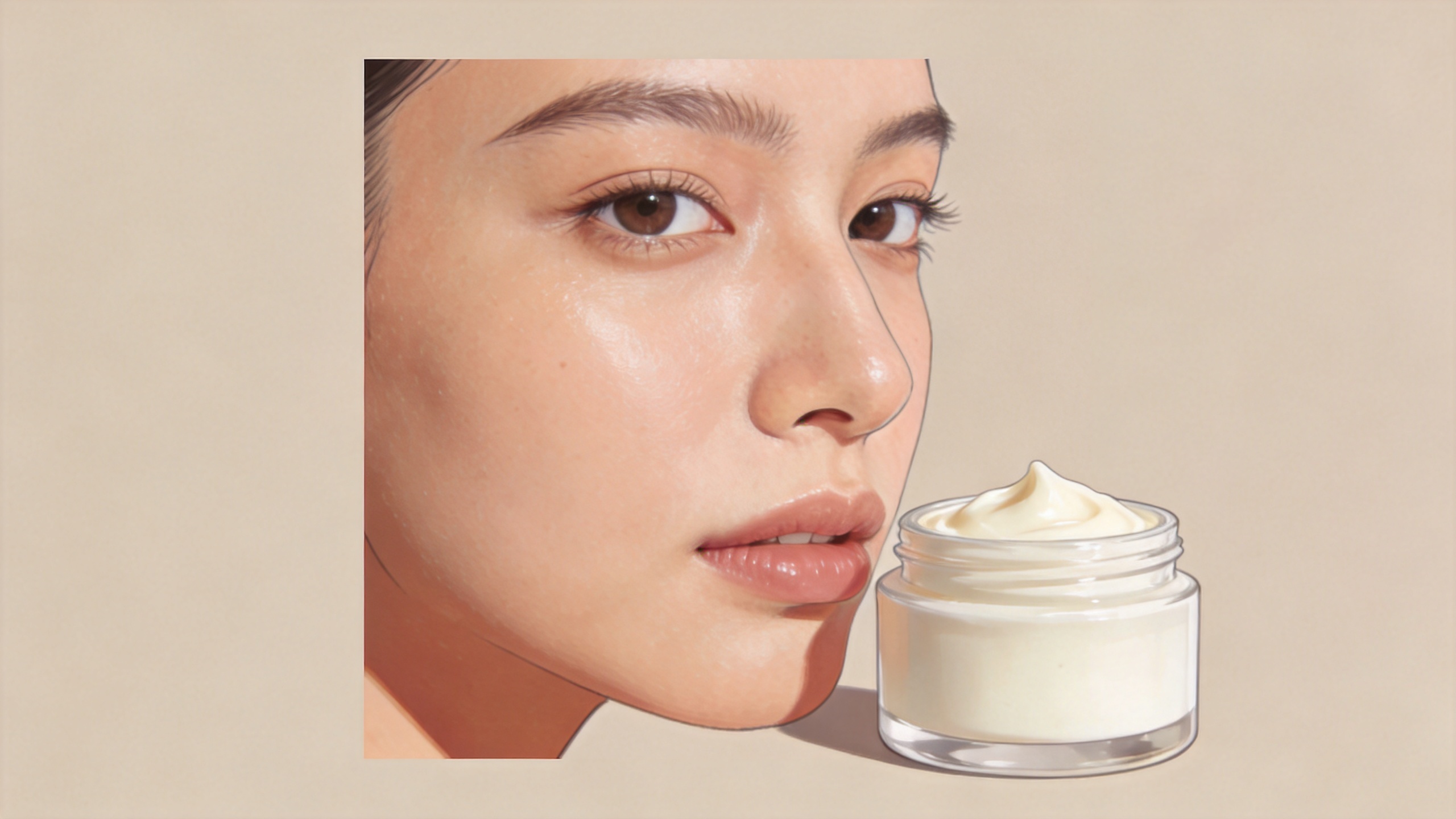
A barrier-care range works best when each product has a distinct purchasing role. A light lotion or gel-cream can address a fresh-feel, warm-climate, or daytime position; a balanced cream can be the core everyday moisturizer; and a richer cream can provide a more substantial option for dry or cool conditions.
This structure is more useful than building several similar creams around isolated hero ingredients. It gives buyers a practical way to compare texture, use occasion, pack format, and price position before deciding where another SKU adds genuine choice.
| Product Type | Texture Direction | Application | Best For |
|---|---|---|---|
| Light lotion or gel-cream | Fresh, lighter-feel format | Daytime and warm-climate routines | Retailers seeking an easy-entry hydration SKU |
| Daily moisturizing cream | Balanced cream texture | Everyday facial care | Core assortment and multi-channel distribution |
| Richer face cream | Cushioning, more substantial finish | Nighttime or dry-season routines | Seasonal sets and shoppers who prefer a richer feel |
Ingredient communication can help buyers distinguish product roles without overstating finished-product performance. Glycerin and hyaluronic acid can support a hydration-led direction. Ceramide can support a barrier-care ingredient narrative. A richer emollient system can help position a formula as a more nourishing, richer-feel cream.
These are sourcing cues, not substitutes for formula review. Before final selection, buyers should review the full ingredient list, desired texture, allowed claim language, and how the formula fits the intended market.
Texture should make the difference between products immediately understandable: light daily hydration, balanced everyday cream, or richer comfort care. Pack format should support the intended use occasion and channel presentation, while the price position should match the role the product is expected to play in the range.
Channel and climate can then guide expansion without duplicating the core offer. A lighter format may be a clearer next step for warm climates or fast-absorbing routines, while a richer cream can serve dry-season, cooler-climate, or more comfort-focused positioning. Final packaging, labeling, and claim choices should be confirmed for the destination market.
Buyers exploring how several facial-cream concepts can sit under one collection may review the Disaar 7-in-1 multi-functional face cream series as a category reference. Final sourcing decisions should remain based on confirmed formula information, packaging, claims planning, and target-market requirements.
Start with one core moisturizing SKU, then add a lighter or richer option only when climate, channel, and price position create a clear reason to do so. This avoids building a range of overlapping creams at the outset and makes the barrier-care assortment easier to source, explain, and develop.