EN
EN


Disunie Double Essence Serum Series: Unlocking the journey of luxurious skin transformation
2025/04/17
2026/09/17
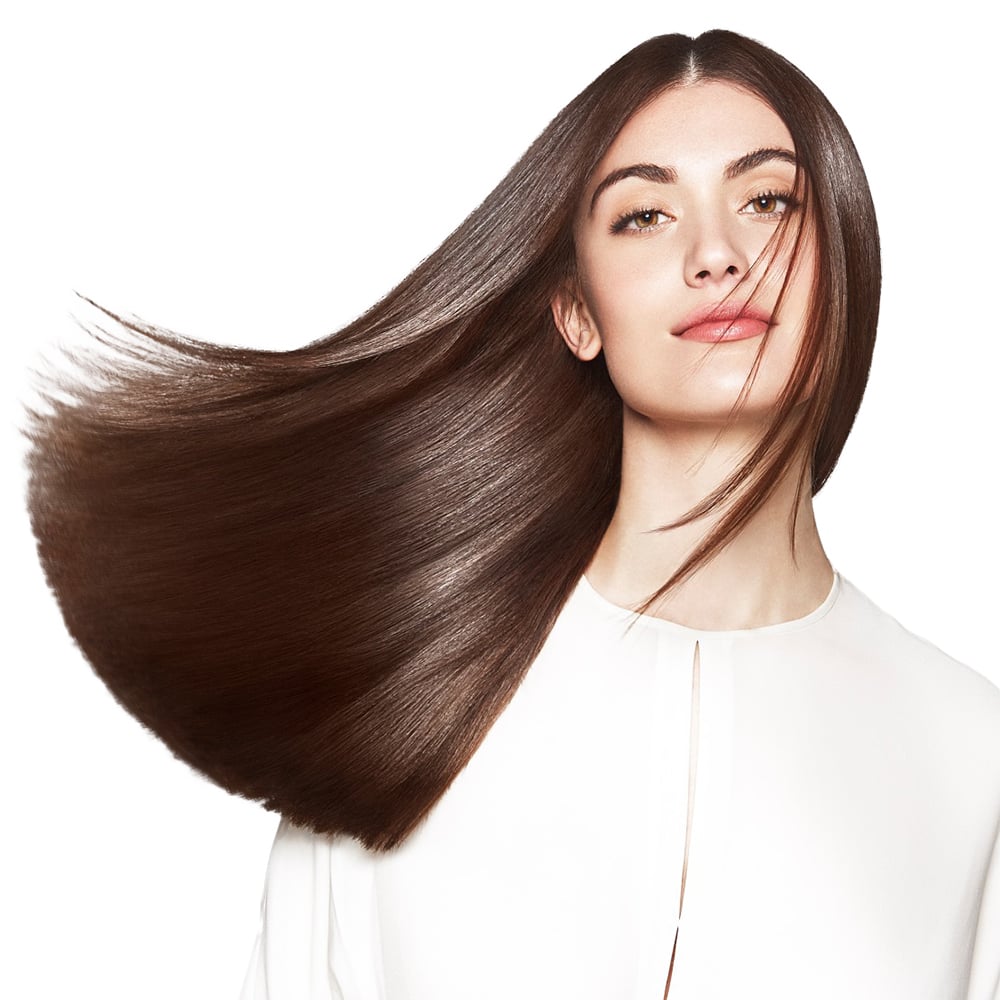
Choosing a hair thinning treatment can feel confusing because the phrase covers two different needs: cosmetic routines that improve the look and feel of hair, and medical care for hair loss that needs professional assessment. For a fuller-looking routine, begin with a practical goal you can evaluate, such as less breakage, a more comfortable scalp, better styling support, or a finish that makes hair appear denser.
As a hair-care supplier serving distributors and custom brands, we find that a useful selection brief starts with product format, intended user experience, ingredient transparency, and claim boundaries. The aim is to build a routine people can use consistently and describe honestly, rather than simply choosing a bottle labelled for hair thinning treatment.
Persistent, sudden, patchy, or distressing hair loss deserves advice from a qualified healthcare professional. Cosmetic scalp and hair products should not be presented as substitutes for diagnosis or prescribed care.
For cosmetic routines, focus on benefits that can be clearly described:
The American Academy of Dermatology’s public hair-care guidance notes that conditioner can coat strands and help reduce breakage and split ends. That is a sensible care benefit to discuss; it is different from claiming to cure a condition.
This distinction protects a brand’s packaging, distributor training, and customer communication. Before a product is launched as a hair thinning treatment, check that its formulation, label, market, and supporting documentation allow every statement being made.
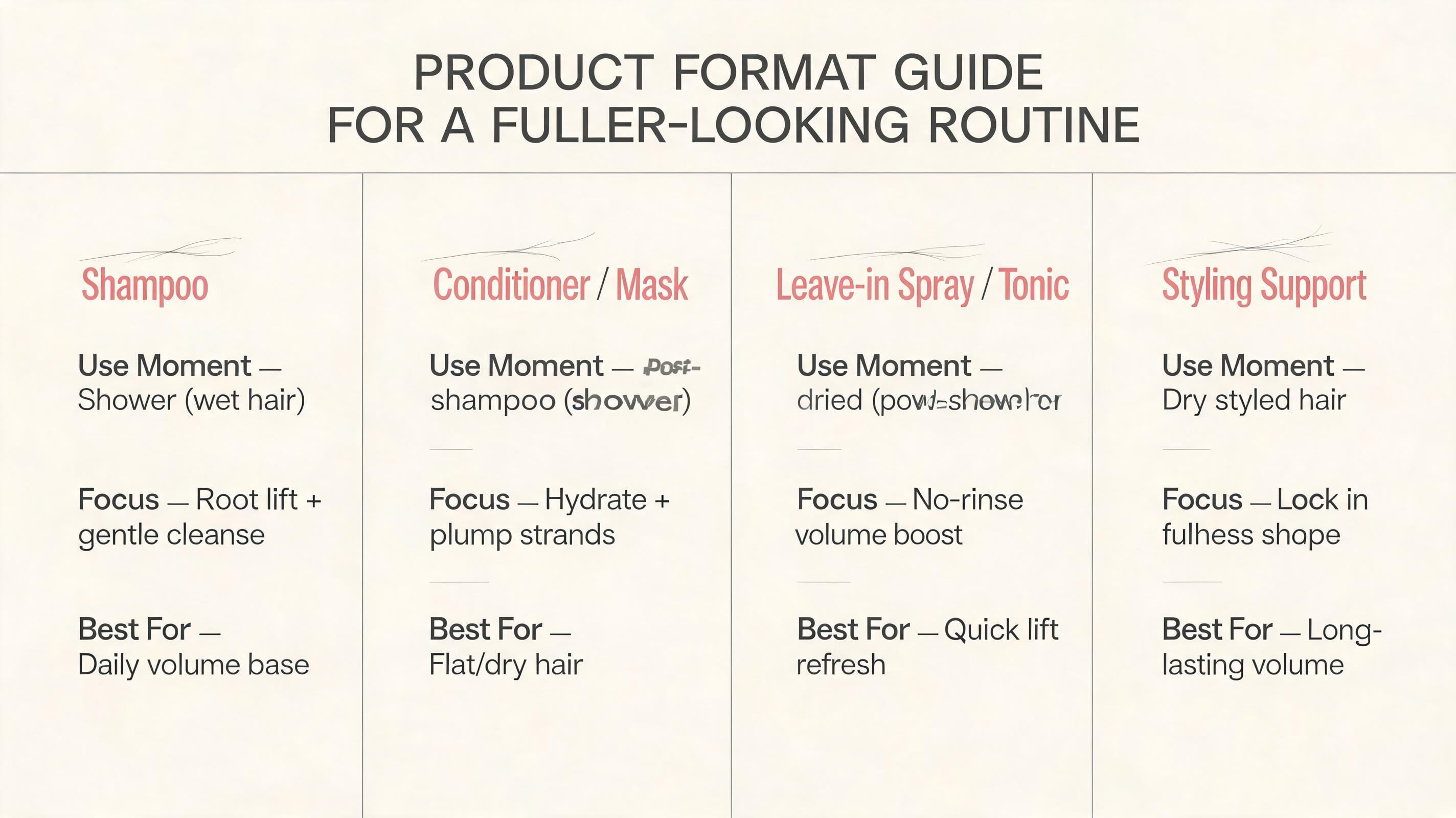
A fuller-looking routine works when the format fits the moment of use. The guide below provides an at-a-glance comparison of the main cosmetic formats and the situations they suit best.
A spray format can be relevant when users prefer a leave-in step that does not require a full wash routine. The product page for Disaar 240ml Hair Growth Spray Series for Thinning Hair Promotes Hair Regrowth and Scalp Care provides a product reference for teams reviewing a spray-format option. Product-specific performance, ingredients, and permitted claims should be verified from final technical and labeling materials.
Ingredient lists matter, but they are not a shortcut to a claim. When assessing a hair thinning treatment product for a cosmetic line, focus on information that can be substantiated: product format, sensory profile, directions for use, fragrance considerations, and intended hair-care benefit.
For private-label buyers, request the following early in the review process:
This reduces the risk that a website describes a benefit the label or sales team cannot support. That caution is especially important with hairfall-related messaging, because people may use the word casually to describe shedding or breakage while the underlying reasons can vary.
Instead of relying on an impressive-looking claim, use the visual checklist below to compare product application, texture, routine fit, scalp comfort, claim consistency, and market readiness.
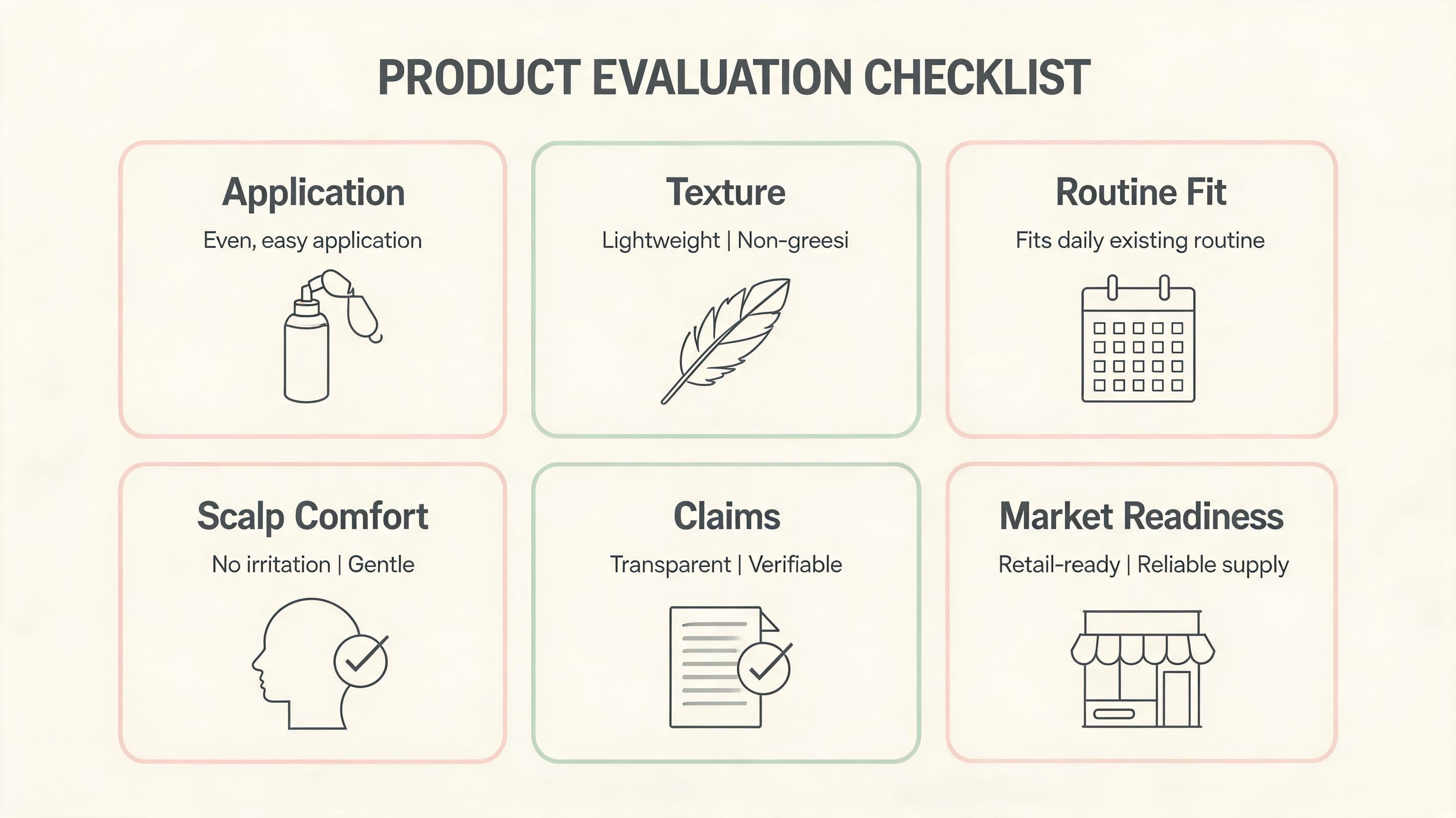
This approach makes hair thinning treatment content more useful for a consideration-stage reader. It explains the trade-offs between a lightweight daily spray, a richer conditioning step, and a styling-focused product that creates temporary volume.
Product choice is only one part of a fuller-looking result. The way hair is handled can influence visible breakage and how much body remains after washing.
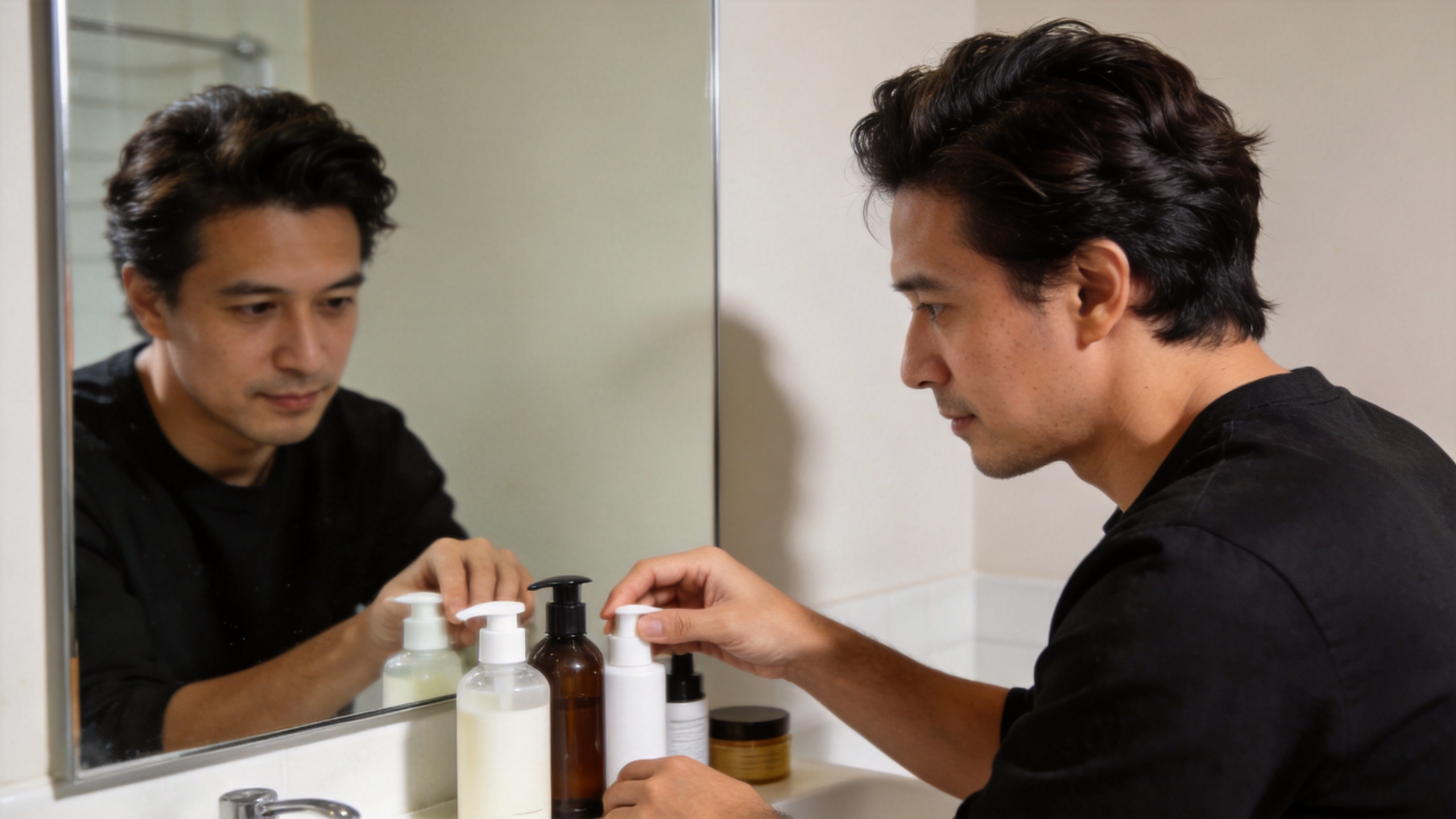
These are ordinary care practices, not a diagnosis or a promise of regrowth. For brands, a short routine card can explain where each product belongs, what it is designed to do cosmetically, and when a user should seek professional guidance instead of adding more products.
Choosing a hair thinning treatment range also means evaluating the supplier process. Before marketing materials are built, confirm:
A good brief distinguishes a scalp-care product, a conditioning product, and a medical-style claim. Guangzhou Livepro Beauty Cosmetics Co.,Ltd. works across skin, hair, and body-care categories for distributors and custom brands. When reviewing any hair-care concept, use the product’s confirmed documentation as the source of truth and make room for sample feedback before finalizing product pages or training materials.
No cosmetic product should be described as curing hair loss unless the relevant medical status, evidence, and regulatory requirements have been established. Cosmetic products may support scalp-care routines, manageability, breakage reduction, or a fuller-looking finish. Sudden or persistent hair loss should be discussed with a qualified healthcare professional.
Review the nozzle, application instructions, feel on the scalp and lengths, layering behavior, ingredient transparency, and the exact claims allowed for the market. A spray is most useful when it fits a consistent routine and does not create unwanted residue.
Focus on manageable hair, reduced grooming-related breakage, conditioning, texture, root-area styling, and clear user instructions. These cosmetic benefits are easier to evaluate and communicate responsibly than blanket promises about regrowth.
The right hair thinning treatment is the one whose format, instructions, feel, and claims match the real routine. Start with a cosmetic goal, validate every product statement, and keep medical concerns in the right professional channel. For buyers, that creates a clearer brief; for end users, it creates a more credible path to a comfortable, fuller-looking hair routine.
Use these questions as a final review:
A transparent brief is more useful than a dramatic promise, especially when discussing hairfall.