EN



Disunie Double Essence Serum Series: Unlocking the journey of luxurious skin transformation
2025/04/17
Centella asiatica is an established ingredient in skincare, commonly used in products focused on soothing, hydration, and skin barrier care. Centella exosome skincare introduces a more technology-focused concept within this familiar botanical category.
For skincare brands, importers, and distributors, this concept may offer another direction for expanding an existing product portfolio. However, a new ingredient concept does not automatically create a successful product.
Before introducing Centella exosome skincare, buyers should consider:
Centella asiatica, also known as Cica, is widely used in skincare products designed for soothing and skin comfort.
The term Centella exosome is used in some cosmetic ingredient marketing to describe Centella-derived extracellular vesicles or exosome-like materials. Commercial ingredients may differ in their source, composition, production methods, and technical characteristics.
When evaluating this type of skincare concept, brands should understand four key points:
For brands considering this category, the first step is to understand the proposed ingredient and determine whether it offers a meaningful product direction for their target market.
Centella exosome skincare may offer several opportunities for brands looking to expand their product portfolios.
Centella is already used in many skincare products. Brands with an existing botanical or soothing-focused range can explore an exosome-related concept without moving into an entirely unfamiliar skincare category.
This may provide another option for expanding an established product line.
Many skincare ranges include Centella extract, ceramides, panthenol, and hyaluronic acid in products focused on skin comfort and hydration.
A Centella exosome concept may provide another development direction for brands looking to differentiate their existing range. Its value depends on the actual ingredient, finished formula, and supporting evidence rather than the name alone.
Some brands may want to explore a more technology-focused ingredient story.
Before adopting this direction, buyers should consider:
A specialized ingredient story does not guarantee stronger demand or a higher selling price. Commercial viability still depends on the market and the product itself.
The right product format depends on the target market, price point, and role within the existing product range.
| Product format | Potential positioning | Suitable channels |
|---|---|---|
| Serum or ampoule | A focused product built around the ingredient concept | Skincare brands and e-commerce |
| Cream or gel cream | Daily skincare focused on hydration and skin comfort | Retailers and distributors |
| Facial mask | A trial product or an addition to a skincare routine | Beauty retail, e-commerce, and promotional sets |
Each format serves a different role in product planning.
For distributors and private label brands planning a new launch, it may be more practical to start with one main product before expanding into several formats.
The initial product selection should reflect local demand, target pricing, expected order quantities, and the purchasing habits of the intended customers.
These are potential development formats, not confirmation that every format is available as a ready-made Centella exosome product.
Although both concepts are associated with Centella, they should not be treated as interchangeable.
| Evaluation point | Conventional Centella skincare | Centella exosome skincare concept |
|---|---|---|
| Main product concept | Familiar botanical skincare | Centella combined with an exosome-related technology concept |
| Ingredient information | Extract type, composition, and supporting documentation | Source, actual composition, production method, and relevant technical information |
| Product development | Formula suitability, stability, and intended cosmetic benefits | Ingredient identity, formula compatibility, and evidence supporting the proposed claims |
| Potential positioning | Established Centella skincare | A potentially more specialized product concept |
For brands already selling Centella skincare, introducing an exosome-related concept does not necessarily mean replacing the existing range.

Buyers can consider three approaches:
The decision should depend on the target market, product costs, and the value of the proposed differentiation. Claims about ingredient technology or product performance should be supported by relevant evidence.
The product concept should match the sales channel. Distributors and brand owners need to consider how it fits their existing range and how customers will understand the product.
For distributors, the main question is whether the product adds value to the current portfolio.
Before introducing a new SKU, consider:
A focused product combination may be easier to evaluate than a complete collection at the initial launch stage.
For online sales, clear product information and presentation are important.
Brands should focus on:
These elements help customers understand the product without relying on technical jargon or exaggerated claims.
For professional beauty retailers and related channels, the product concept should be supported by appropriate product information.
Buyers should consider:
The product's positioning should reflect its intended cosmetic use and the information available to support it.
For private label projects, ingredient selection is only one part of product development.
Brands should plan the following elements together:
The ingredient concept should support the overall brand strategy rather than determine every development decision.
Livepro's existing range includes the Disaar Ceramide & Centella Repair Skincare Series.
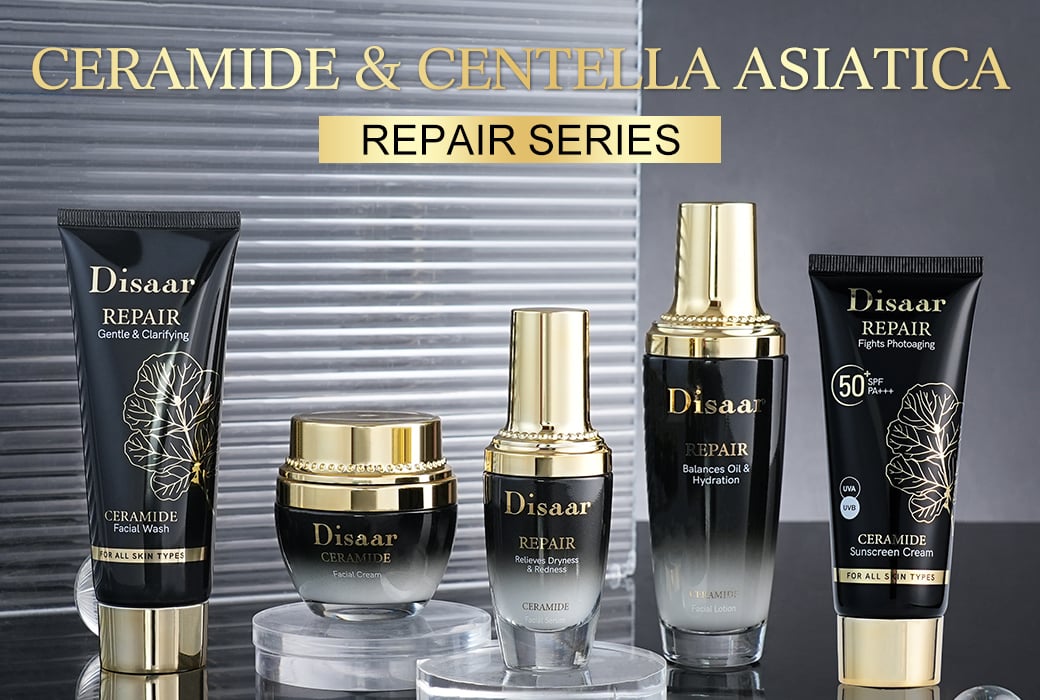
This series provides a reference for conventional Centella-based repair skincare. Distributors can explore it when considering additions to their existing product portfolios, while brands can use it as a reference for related skincare product directions.
The existing series should not be confused with a Centella exosome formula.
For buyers interested in different product concepts, there are two potential directions to discuss:
The feasibility of a specific Centella exosome project would need to be confirmed based on the proposed ingredient, technical documentation, formula requirements, and production conditions.
Whether the goal is to expand an existing skincare range or develop a private label product, the development plan should reflect the brand's target market and commercial requirements.
Centella exosome skincare may be worth exploring for brands seeking a technology-focused direction within the established Centella skincare category. Its commercial value depends on the actual ingredient, finished formula, and role within the target market.
Before making a decision, buyers should consider three questions:
For distributors, the priority is selecting products that complement the existing portfolio and support repeat business. For private label brands, it is developing a coherent product concept that connects ingredient selection, formula, packaging, and target pricing.
If you are considering a Centella-based skincare line, contact Livepro to discuss wholesale options or explore the feasibility of a custom product development project.