×
×
Body oil is a flexible category that can be positioned as daily moisturization, glow care, massage support, firming care, brightening care, post-shower body care, or seasonal dry-skin support.
One buyer may want a simple, fast-moving product for distribution. Another may want a more branded, story-driven range for retail. Another may be comparing a ready supply with a deeper formulation route.
In other words, it gives room to build a focused SKU or a wider line, and it can work in both ready supply and custom development models.
This pillar page will help you understand the main body oil product directions, what matters most when comparing suppliers, and when to choose body oil wholesale, private label body oil, or deeper OEM and contract manufacturing.
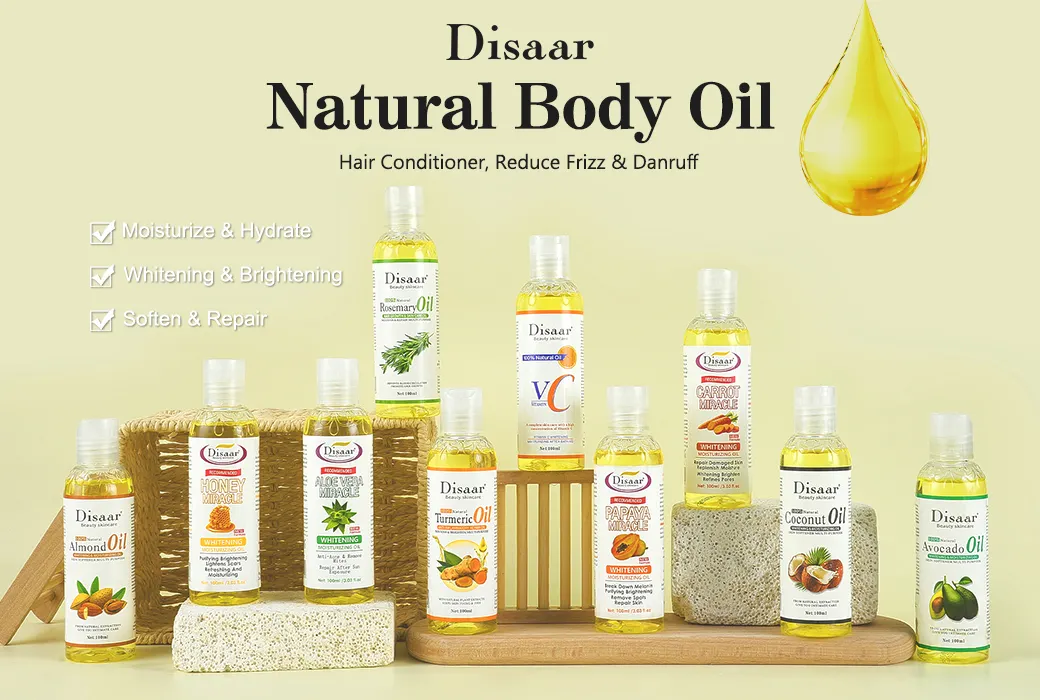
In business terms, body oil is a category with strong positioning flexibility.
It can sit in mass-market body care, premium self-care, spa-style ranges, botanical collections, glow-focused summer lines, massage products, or targeted treatment-inspired assortments. That is one reason why many buyers consider it when they want to expand a body care portfolio from the beginning.
Body oil can work as:
So before choosing a body oil product, the real question is not only "Do I want body oil?" It is "What role should body oil play in my product line and sales model?"
Most body oil lines can be grouped into a few practical product directions.
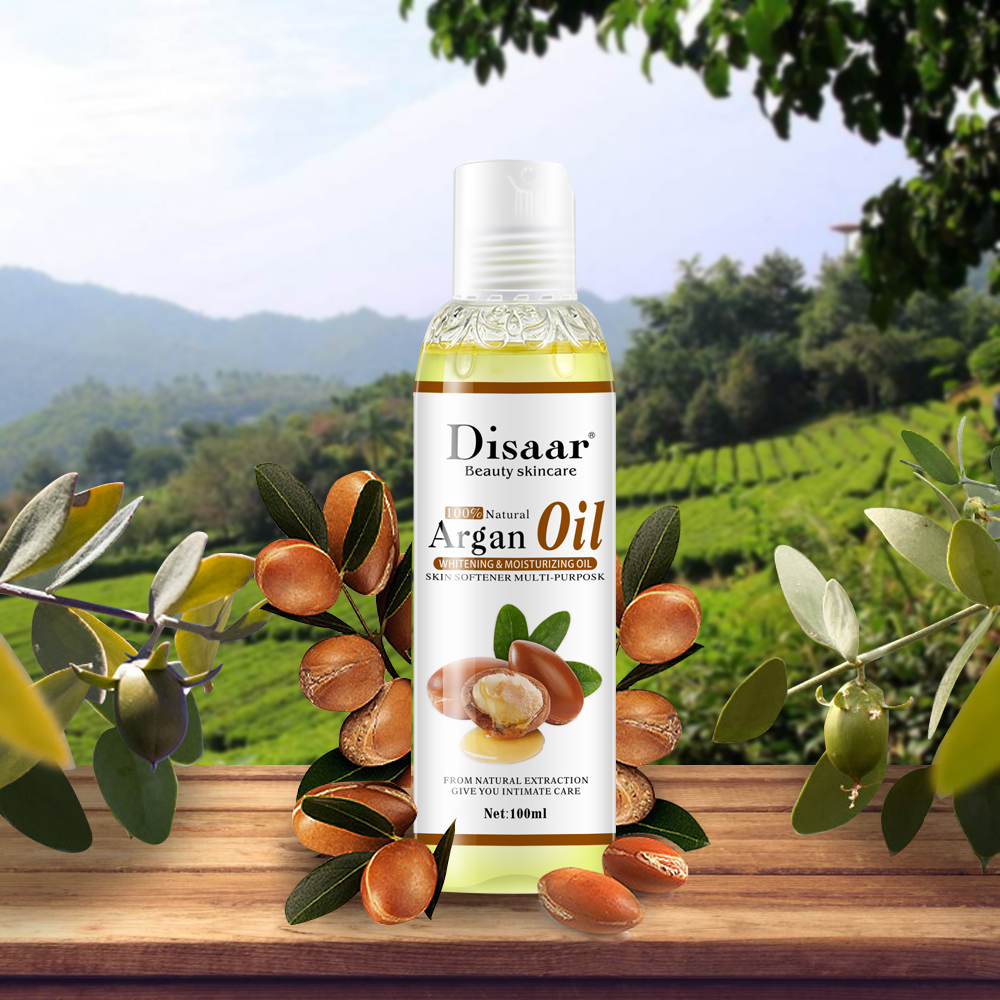
This is one of the most common directions in the market. It is usually positioned around moisture support, soft skin feel, daily body care, and lightweight nourishment. It can work in general body care lines, family-use lines, moisturizing collections, or entry-level body care ranges.
Massage oils typically focus more on functionality when used. It suits spa-related buyers, wellness positioning, and salon-adjacent channels. Compared with a standard hydrating body oil, buyers often pay more attention here to glide, fragrance strength, and whether the oil leaves too much residue after use.
Glow body oil and scented body oil are often more presentation-driven. These products can work well in summer collections, gifting lines, social-media-friendly launches, or beauty ranges where fragrance and appearance matter as much as function. What buyers should understand is that this subtype is not just about adding shimmer or perfume. It needs to be evaluated in terms of skin feel, visible finish, stability, fragrance acceptance, and packaging compatibility.
This direction is usually built around a stronger ingredient story. Buyers may want to highlight botanical oils, natural-origin positioning, or a simpler formula identity that is easier to explain to the market.
This can be attractive for brands that want cleaner positioning or a more ingredient-led product line. The important question is whether the final product texture, absorption, scent profile, and price level make sense.

Many buyers start by comparing product names or trending ingredients.
In our experience, good body oil selection usually comes from comparing a smaller group of practical criteria that affect launch fit, reorder potential, and channel performance.
Texture is usually one of the first real decision points.
Texture affects user acceptance, brand positioning, and even price perception. If a body oil feels too heavy, too dry, too greasy, or too thin for the target market, the product line is hard to sell. Especially for South American markets, climate, consumer habits, and channel type can all influence what texture direction makes more sense.
Absorption is closely tied to texture.
Some markets accept richer oils. Others prefer a faster-dry finish. Some buyers want a product that feels nourishing and long-lasting. Others need something lighter and easier to sell for daily use.
Fragrance often plays a major role in repeat purchase and initial acceptance.
Brand owners should ask whether they need fragrance to support a premium feel, a botanical story, a spa-style direction, or a broader mass-market appeal. Distributors and importers should also think about whether fragrance preference is local, regional, or channel-specific.
Ingredient story shapes how the product is presented, priced, and differentiated.
But buyers should be careful here. A strong ingredient story only works when it matches the actual product feel, claim direction, and market expectation. A formula built around trendy oils sounds attractive, but if it creates cost pressure, unstable positioning, or unclear benefits, it may not be the best business choice.
Packaging should be evaluated as part of the product decision.
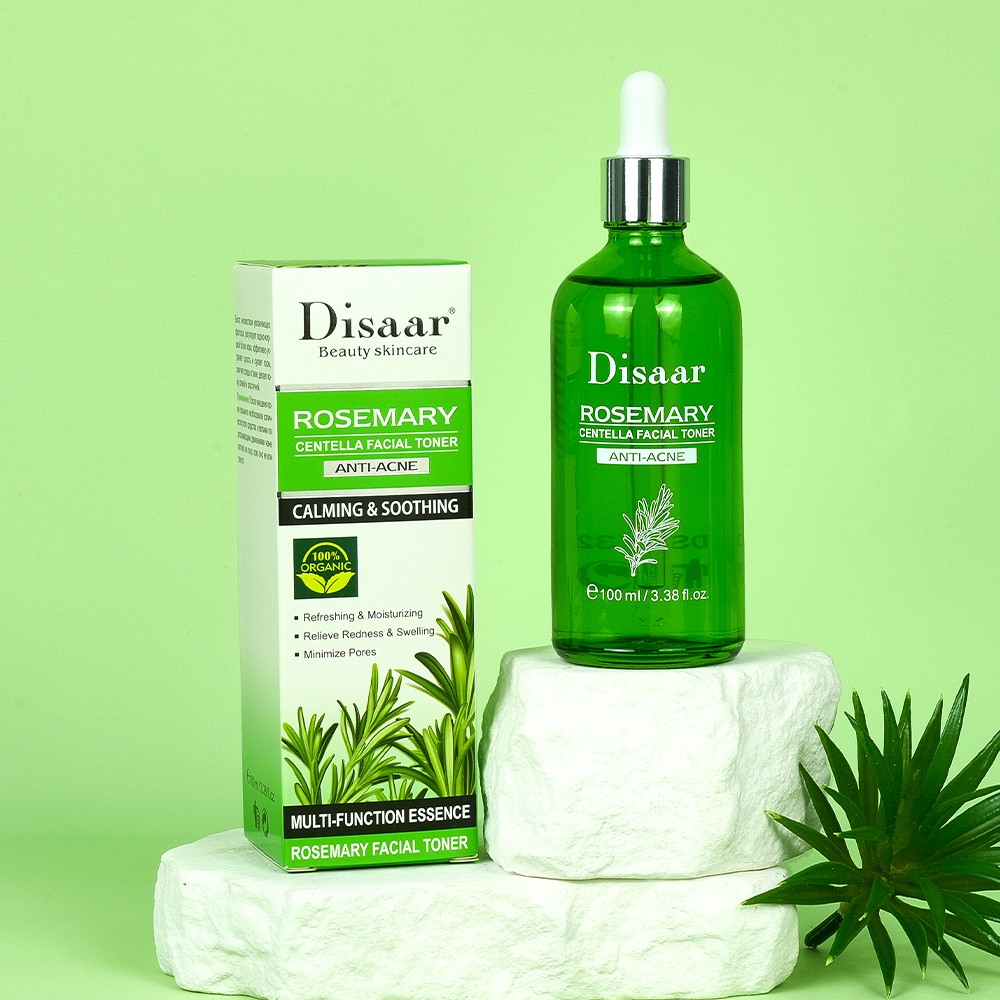
Pump bottles, dropper styles, treatment-style packs, and gift-positioned formats all create different expectations. The right packaging depends on channel, price level, visual direction, freight practicality, and customer use habits.
This is one reason why some buyers move into private label body oil rather than choosing ready stock. Packaging becomes part of the brand strategy.
MOQ is not only a purchasing limit. It shapes the entire supply decision.
A buyer comparing wholesale, private label, and deeper OEM should understand how MOQ affects SKU count, packaging freedom, launch speed, testing cost, and inventory pressure. A low MOQ may help a new project move faster. A higher MOQ may be acceptable if the buyer needs better formula control or stronger branding.
This point is often overlooked early, then becomes urgent later.
For distributors, importers, and brands selling across borders, compliance support, documentation, labeling readiness, and export experience matter from the start.
These three supply models are often discussed together, but they solve different business needs.
Body oil wholesale is usually the fastest path when the goal is speed, simpler purchasing, and lower development complexity.
This model tends to fit buyers who want ready products, faster shipment, and easier assortment testing. It can work well for distributors, importers, trading businesses, and buyers who want to expand body oil categories. The shortcoming is that formula and packaging flexibility are usually more limited.
This model is suitable for buyers who want to build their own brand identity while using an existing or semi-existing product base. It often gives more room on packaging, presentation, and assortment structure without requiring a full formulation project.
For many growing brands, it is a practical middle route because it supports brand ownership without moving too early into complex development.
OEM and contract manufacturing body oil are usually chosen when the buyer needs deeper control over formula, product brief, ingredient strategy, claims direction, or market differentiation.
It gives more freedom, but it also requires better decision-making from the buyer. A deeper custom route works best when the project team already knows what product role, price level, target market, and channel logic they are building for.
Different buyers should choose different supply models.
Distributors often need products that are easier to move across channels, easier to reorder, and easier to fit into broader category sales. In many cases, wholesale or selected private label options make more sense. The goal is usually to find SKUs that can sell easily and support stable purchasing logic.
Importers usually need a balance between commercial fit and operational clarity. They may need export-ready support, suitable documentation, practical packaging, and manageable MOQ structures. Depending on the market, they may prefer wholesale for speed or private label for stronger brand control. The right answer depends on whether they are importing to distribute ready goods or building their own local brand position.
Brand owners usually need a more strategic choice. If the goal is to test the category quickly, private label can be a practical starting point. If the goal is to create a differentiated body care line with clearer formula control and stronger long-term brand positioning, OEM or contract manufacturing may be the better route.
A good body oil manufacturer should be evaluated on whether the supplier can support the exact combination of product type, supply model, packaging level, and export process the project requires.
Here are some of the main points to compare.
Does the manufacturer understand body oil as a product category?
A stronger supplier should be able to discuss texture direction, ingredient logic, packaging fit, and supply route based on buyer goals.
Can the manufacturer support wholesale, private label, and deeper OEM, or only one model?
A supplier that can support growth across stages is often more useful than one that only supports the first purchase.
Can the manufacturer work with the packaging level your market needs?
This includes not only bottle type and decoration, but also whether the visual result matches the positioning you want to build.
Is the MOQ realistic for your business stage? Can the manufacturer help you build a sensible SKU structure?
For South American buyers, this point is especially practical. The manufacturer should be able to explain how they support export documentation, labeling coordination, and market-facing preparation.
A strong factory partner should help simplify decisions. If the responses are vague, slow, or overly generic during the quotation stage, the cooperation often becomes harder later.
If you are planning a body oil launch, we are warm welcome you to talk to our team about more details. A clear supply decision early will save time, avoid the wrong product direction, and make your launch plan easier to execute.
 EN
EN




 Hot News