EN


Disunie Double Essence Serum Series: Unlocking the journey of luxurious skin transformation
2025/04/17
Barrier-care skincare is moving beyond basic moisturizing. Consumers are paying more attention to skin dryness, sensitivity and skin barrier support, creating opportunities for skincare brands to develop products with more focused ingredient combinations.
This article explores the combination of three ceramides—Ceramide 1 (Ceramide EOP), Ceramide 3 (Ceramide NP), and Ceramide 6-II (Ceramide AP)—with Ectoin. It explains their individual roles, how they complement each other in skincare formulations, and what product opportunities this combination offers for skincare brands, distributors and importers.
From facial serums and moisturizing creams to body lotions, this ingredient combination provides a formulation direction for developing daily hydration and skin-barrier care products.
Ceramides are lipids naturally found in the outer layer of the skin. Together with cholesterol and free fatty acids, they form the lipid structure that helps maintain the skin barrier and reduce moisture loss.
Ceramide 1, 3 and 6-II are older ingredient names. Their updated INCI names are:
| Older Name | Current INCI Name |
|---|---|
| Ceramide 1 | Ceramide EOP |
| Ceramide 3 | Ceramide NP |
| Ceramide 6-II | Ceramide AP |
These three ceramides have different molecular structures. They are not different strength levels or interchangeable ingredients.
Using multiple ceramide types can provide a broader lipid profile for a skincare formula. However, the final performance depends on ingredient quality, concentration, formulation design and how the ingredients are incorporated into the finished product.
Ectoin is a natural osmolyte produced by certain microorganisms that live in challenging environments. It is used in skincare for its water-binding and protective properties.
In topical formulations, Ectoin can help:
Unlike ceramides, Ectoin does not supply the skin's barrier lipids. Its role is different, which makes it a useful ingredient to consider alongside ceramides.
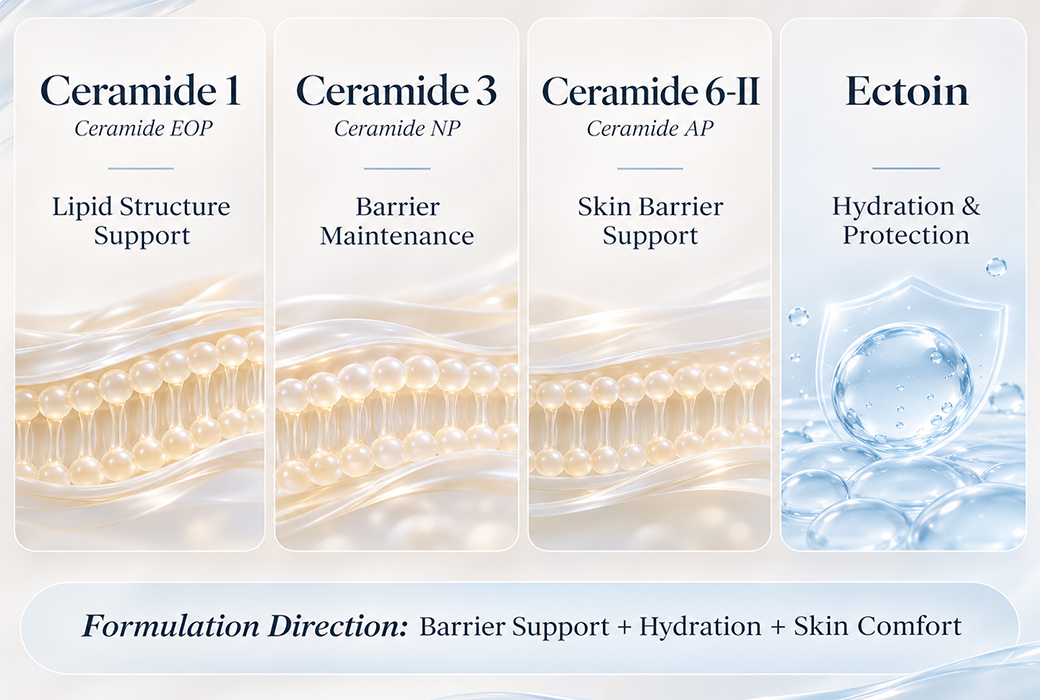
The combination brings together two different formulation approaches.
Ceramides support the skin's lipid barrier. They help maintain the structure between skin cells and reduce moisture loss.
Ectoin supports hydration and skin comfort. Its water-binding properties complement the lipid-supporting role of ceramides.
Together, they can be used to develop skincare products positioned around:
For skincare brands, this combination provides a clear ingredient concept for moisturizing and barrier-care products without relying on a single ingredient as the main selling point.
However, combining these ingredients does not automatically guarantee better results. Their concentrations, compatibility, stability and the overall formula need to be evaluated.
Ceramide and Ectoin can be incorporated into different product formats. Each format serves a different purpose within a skincare range.
A facial serum is suitable for lightweight formulas that fit into daily skincare routines.
For brands targeting consumers who prefer light textures, a serum can serve as an entry product in a barrier-care range. It can also be paired with a facial cream to create a two-step product set.
A facial cream provides a richer format for daily moisturizing and barrier care.
It can be positioned as a core product for consumers experiencing dryness or tightness. Texture, absorption and moisturizing performance are important when selecting a cream for different markets.
Body lotion extends the ingredient concept beyond facial skincare.
It can target consumers looking for daily moisture and skin comfort across larger skin areas. For distributors, adding a body lotion can also expand an existing facial skincare range into body care.
A serum, cream and body lotion can form a basic product line. Brands can select one or more formats based on their target market, price positioning and sales channels.
Ceramide and Ectoin products can be positioned for different retail channels, depending on product texture, packaging and price point.
| Sales Channel | Product Opportunities |
|---|---|
| Beauty Retail Stores | Facial serums, moisturizing creams and product sets |
| Pharmacies and Drugstores | Daily moisturizing and barrier-care products |
| E-commerce | Serum and cream bundles with clear ingredient information |
| Beauty Distributors | Multiple product formats for different consumer needs |
For distributors, a serum-and-cream combination can provide a clear product story and support bundle sales.
For pharmacy and drugstore buyers, ingredient transparency, product documentation and substantiated claims are important.
For e-commerce brands, packaging, product descriptions and clear ingredient positioning help customers understand the differences between individual SKUs.
Market conditions should also influence product selection. Lightweight lotions and serums may suit consumers who prefer lighter textures in hot and humid climates, while richer creams may be more suitable for markets with higher demand for intensive moisturization.
Before bulk ordering or developing a private label product, buyers should evaluate three main areas.
1. Ingredient Specifications
Check the exact INCI names of the ceramides and confirm whether the formula contains Ceramide EOP, NP and AP. A product labeled with general Ceramide claims does not necessarily contain all three types.
For Ectoin, request the ingredient specifications and relevant formulation information.
2. Formula Quality
The ingredient list alone does not determine product performance.
Ask about ingredient concentrations where available, formulation compatibility, texture and absorption. For multi-ceramide formulas, it is also useful to understand how the lipid ingredients are incorporated into the finished product.
3. Stability and Product Testing
Check whether the finished formula has undergone appropriate stability, packaging compatibility and microbiological testing.
For products targeting barrier care or sensitive-feeling skin, relevant product testing can also help support marketing claims in the destination market.
These checks help buyers compare products based on the finished formula rather than ingredient names alone.
Livepro's product range includes skincare products featuring Ceramide and Ectoin.
Two relevant examples are:
Disaar 7-in-1 Soothing Facial Serum: A 40ml facial serum featuring Ectoin, Ceramide and Vitamin B5.
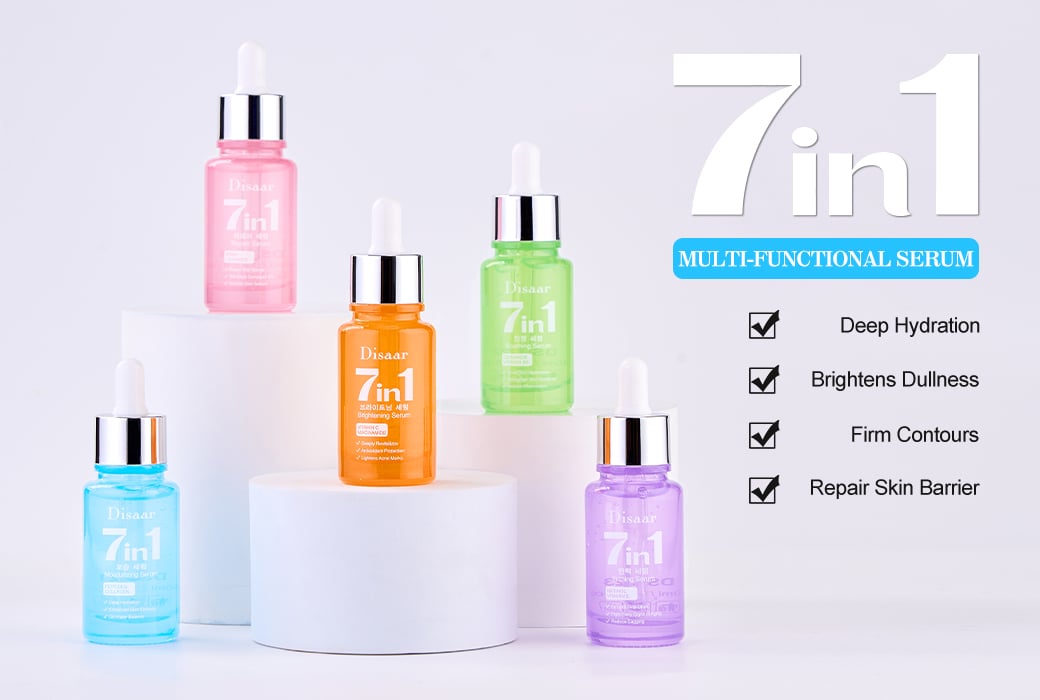
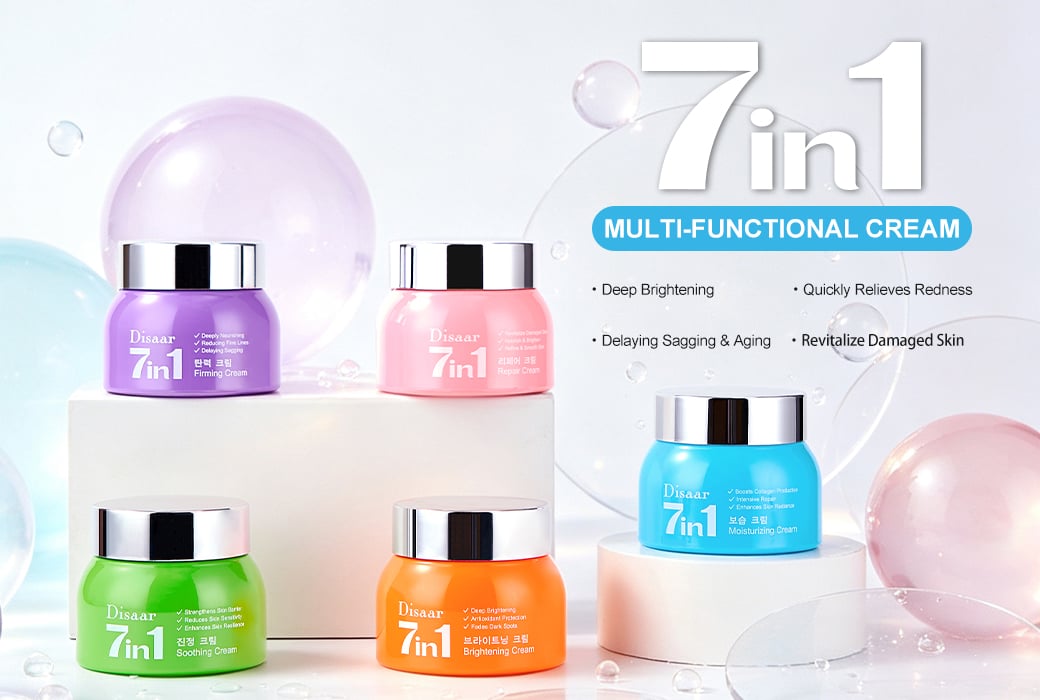
Disaar 7-in-1 Soothing Facial Cream: A 100g facial cream featuring Ectoin, Ceramide and Sunflower Seed Oil.
Livepro also offers other Ceramide-based product ranges, including:
Hyaluronic Acid & Ceramide Series.
Salicylic Acid & Ceramide Anti-Acne Series.
Retinol & Ceramide Facial Mask.
These ranges cover different product categories and skincare positioning, providing more options for distributors planning a broader product portfolio.
The published information for the Ectoin and Ceramide products does not specify whether the Ceramide is EOP, NP or AP. Buyers who require a specific three-ceramide combination should confirm the complete INCI list and formula specifications before ordering.
Whether you are sourcing ready-made skincare products for distribution or developing your own brand, Ceramide and Ectoin offer a practical direction for moisturizing and barrier-care product development.
Livepro supports wholesale product sourcing and OEM/ODM skincare projects, including formula selection, ingredient combinations and packaging development.
Contact Livepro to explore wholesale supply or discuss your private label skincare project.