EN
EN


Disunie Double Essence Serum Series: เปิดเส้นทางการเปลี่ยนแปลงผิวอย่างหรูหรา
2025/04/17

2025/12/15
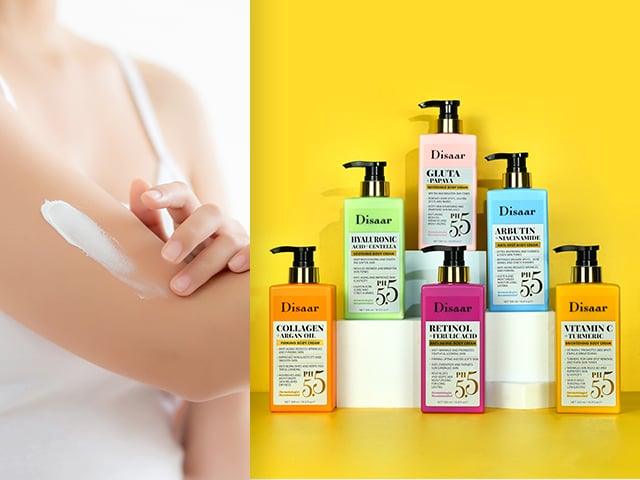
อุตสาหกรรมความงามและผลิตภัณฑ์ดูแลส่วนบุคคลได้เปลี่ยนแปลงไปอย่างน่าทึ่งในช่วงไม่กี่ปีที่ผ่านมา โดยผู้บริโภคเริ่มมองหาผลิตภัณฑ์ที่รวมประโยชน์หลายประการไว้ในสูตรเดียว หนึ่งในนวัตกรรมที่โดดเด่นและได้รับความนิยมเพิ่มขึ้นคือ เจลน้ำมันทาตัว เจลน้ำมันบำรุงผิวกาย ผลิตภัณฑ์ไฮบริดที่ผสานคุณสมบัติการบำรุงของน้ำมันบำรุงผิวแบบดั้งเดิมเข้ากับลักษณะเบาสบายและซึมเร็วของสูตรเจลสมัยใหม่ แนวทางปฏิวัติวงการด้านการดูแลผิวนี้ได้ดึงดูดความสนใจทั้งจากผู้บริโภคและผู้ผลิต จนกลายเป็นส่วนประกอบสำคัญในผลิตภัณฑ์ดูแลผิวกายยุคปัจจุบัน
ความนิยมที่เพิ่มขึ้นอย่างมากในสูตรผลิตภัณฑ์รูปแบบใหม่นี้ มาจากความสามารถในการแก้ไขปัญหาทั่วไปที่เกี่ยวข้องกับผลิตภัณฑ์ดูแลผิวกายแบบดั้งเดิม แม้ว่าน้ำมันบำรุงผิวแบบทั่วไปมักทำให้ผู้ใช้รู้สึกมันหรือเหนียวเหนอะหนะ และเจลให้ความชุ่มชื้นทั่วไปอาจไม่สามารถให้การบำรุงเพียงพอสำหรับผิวแห้ง แต่เจลน้ำมันบำรุงผิวสามารถสร้างสมดุลที่เหมาะสมระหว่างการให้ความชุ่มชื้นและความรู้สึกสบายได้อย่างลงตัว ตำแหน่งที่โดดเด่นนี้ทำให้ผลิตภัณฑ์เป็นที่น่าสนใจอย่างยิ่งสำหรับผู้บริโภคยุคใหม่ที่ต้องการประสิทธิภาพและความเห็นผลในการดูแลผิวประจำวัน
การสร้างผลิตภัณฑ์เจลน้ำมันบำรุงผิวกายที่มีประสิทธิภาพอาศัยเทคนิคการผสมแบบอิมัลซิฟิเคชันขั้นสูง ซึ่งทำให้ส่วนผสมที่เป็นน้ำมันและน้ำสามารถอยู่ร่วมกันได้อย่างคงตัวในรูปแบบของเนื้อเจล กระบวนการนี้ใช้สารลดแรงตึงผิวพิเศษและสารเสถียรภาพที่สร้างโครงข่ายสามมิติเพื่อช่วยยึดหยุดหยดของน้ำมันไว้ภายในแมทริกซ์ของเจล ผลลัพธ์ที่ได้คือผลิตภัณฑ์ที่มอบคุณประโยชน์ในการให้ความชุ่มชื้นเหมือนน้ำมัน แต่ยังคงให้ประสบการณ์การใช้งานที่น่าพึงพอใจเช่นเดียวกับผลิตภัณฑ์เนื้อเจล
นักเคมีผู้เชี่ยวชาญด้านการจัดสูตรในยุคปัจจุบันได้พัฒนาแนวทางใหม่ๆ เพื่อให้บรรลุความสมดุลนี้ โดยใช้ส่วนผสมต่างๆ เช่น คาร์โบเมอร์ โคพอลิเมอร์แอคริเลต และสารทำให้เกิดเจลจากธรรมชาติที่สกัดจากสาหร่ายทะเลหรือพืช องค์ประกอบเหล่านี้ทำงานร่วมกันอย่างกลมกลืนเพื่อสร้างผลิตภัณฑ์ที่แผ่เรียบง่ายบนผิว ซึมเข้าสู่ผิวอย่างรวดเร็ว และทิ้งคราบผิวเรียบลื่นไร้ความมัน ซึ่งผู้บริโภคมองว่าเป็นคุณสมบัติที่น่าสนใจมาก
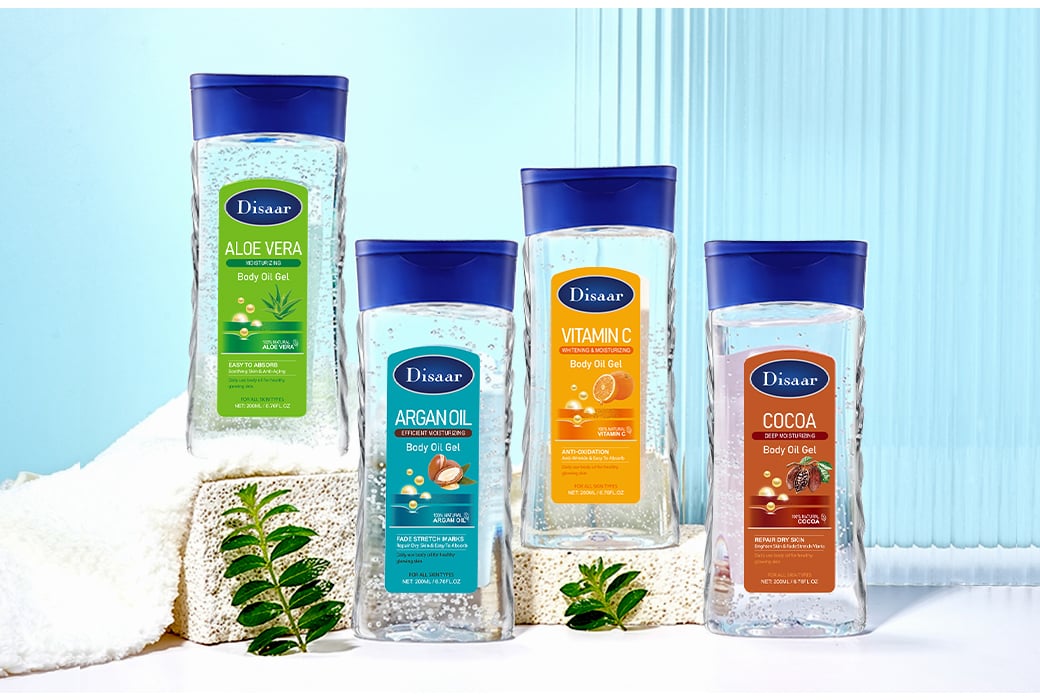
ประสิทธิภาพของสูตรเจลน้ำมันบำรุงผิวกายไม่ได้อยู่เพียงแค่ที่เนื้อสัมผัสอันเป็นเอกลักษณ์เท่านั้น แต่ยังรวมถึงส่วนผสมออกฤทธิ์ที่คัดสรรมาอย่างพิถีพิถัน ซึ่งทำงานร่วมกันเพื่อให้ประโยชน์ต่อผิวอย่างครอบคลุม สูตรพรีเมียมมักจะใช้น้ำมันที่มีน้ำหนักเบา เช่น โจโจ้บา อาร์แกน หรือสควาเลน ซึ่งให้คุณสมบัติในการให้ความชุ่มชื้นได้อย่างดีเยี่ยม โดยไม่ทำให้รู้สึกหนักหรือเคลือบผิว
นอกจากนี้ ผลิตภัณฑ์เหล่านี้มักมีสารดูดความชื้น เช่น กรดไฮยาลูโรนิก กลีเซอรีน หรือโซเดียม พีซีเอ ซึ่งช่วยดึงและกักเก็บความชื้นไว้ในผิว การรวมกันของน้ำมันและสารดูดความชื้นนี้สร้างระบบการให้ความชุ่มชื้นหลายชั้น ที่สามารถตอบสนองทั้งความสบายของผิวในทันที และสุขภาพผิวในระยะยาว ทำให้สูตรเจลน้ำมันบำรุงผิวกายนี้มีประสิทธิภาพโดยเฉพาะสำหรับผู้ที่มีสภาพผิวและปัญหาผิวที่แตกต่างกัน
ผู้บริโภคในยุคปัจจุบันให้ความสำคัญกับผลิตภัณฑ์ที่สอดคล้องกับวิถีชีวิตที่เร่งรีบ แต่ยังคงมอบผลลัพธ์ที่เหนือกว่าอย่างต่อเนื่อง ความน่าสนใจของเจลบำรุงผิวกายชนิดน้ำมันอยู่ที่สามารถให้ความชุ่มชื้นอย่างล้ำลึก โดยไม่จำเป็นต้องใช้เวลานานในการซึมเข้าผิว และไม่ทิ้งคราบไว้บนเสื้อผ้า ปัจจัยด้านความสะดวกสบายนี้จึงมีความสำคัญเพิ่มขึ้น เนื่องจากผู้คนจำนวนมากขึ้นต้องการทางเลือกในการดูแลผิวที่มีประสิทธิภาพและสามารถปรับเข้ากับกิจวัตรยามเช้าและเย็นที่ยุ่งเหยิงได้อย่างลงตัว
นอกจากนี้ แนวโน้มสมัยใหม่ที่ให้ความสำคัญกับการดูแลตนเองและการมีสุขภาวะที่ดี ได้ผลักดันให้มีความต้องการผลิตภัณฑ์ที่มอบประสบการณ์เชิงประสาทสัมผัสอันหรูหรา เจลบำรุงผิวกายชนิดน้ำมันสามารถสร้างความรู้สึกฟุ่มเฟือยดังกล่าวได้ผ่านการทาที่ลื่นไหล เนื้อสัมผัสที่น่าพึงพอใจ และมักมาพร้อมกับกลิ่นหอมที่มีความซับซ้อน ทำให้กิจวัตรการดูแลผิวกายในแต่ละวันรู้สึกเหมือนการบำบัดแบบสปา มากกว่าการทำสิ่งจำเป็นที่น่าเบื่อหน่าย
หนึ่งในข้อได้เปรียบที่สำคัญซึ่งขับเคลื่อนการนำผลิตภัณฑ์เจลน้ำมันบำรุงผิวกายมาใช้ คือ ความหลากหลายในการใช้งานที่เหมาะสมกับฤดูกาลและสภาพอากาศที่แตกต่างกัน ต่างจากครีมบำรุงผิวกายที่มีเนื้อหนัก ซึ่งอาจรู้สึกเหนอะหนะในช่วงเดือนที่อากาศร้อน หรือโลชั่นที่มีเนื้อบางเบา ซึ่งอาจไม่เพียงพอในช่วงฤดูหนาว สูตรเจลน้ำมันบำรุงผิวกายยังคงประสิทธิภาพและความรู้สึกสบายในการใช้งานตลอดทั้งปี
ความยืดหยุ่นนี้ทำให้ผลิตภัณฑ์เป็นที่น่าสนใจอย่างยิ่งทั้งสำหรับผู้ค้าปลีกและผู้บริโภค เนื่องจากไม่จำเป็นต้องเปลี่ยนผลิตภัณฑ์ไปมาตามการเปลี่ยนแปลงของฤดูกาล ประสิทธิภาพที่สม่ำเสมอและประสบการณ์การใช้งานที่ดีจากสูตรเจลน้ำมันบำรุงผิวกายคุณภาพสูง ได้มีส่วนสำคัญอย่างมากต่อการเติบโตของตำแหน่งในตลาดและความภักดีของผู้บริโภค
ในแง่ของการผลิต ผลิตภัณฑ์เจลน้ำมันสำหรับผิวมีข้อได้เปรียบหลายประการที่ทำให้น่าสนใจสำหรับผู้ผลิตในหลากหลายกลุ่มตลาด กระบวนการจัดสูตร แม้จะต้องอาศัยความรู้เฉพาะทาง แต่โดยทั่วไปสามารถดำเนินการได้โดยใช้อุปกรณ์การผลิตที่มีอยู่เดิมเพียงปรับเปลี่ยนเล็กน้อย ซึ่งช่วยลดการลงทุนด้านทุนในการเข้าสู่ประเภทผลิตภัณฑ์นี้
นอกจากนี้ ลักษณะที่มีเสถียรภาพของผลิตภัณฑ์เจลน้ำมันสำหรับผิวที่จัดสูตรได้ดี มักส่งผลให้มีอายุการเก็บรักษานานกว่าผลิตภัณฑ์อิมัลชันแบบดั้งเดิมบางชนิด ช่วยลดของเสียและปรับปรุงการบริหารจัดการสต็อกสินค้าให้กับทั้งผู้ผลิตและผู้ค้าปลีก เสถียรภาพนี้ ร่วมกับการวางตำแหน่งผลิตภัณฑ์ในระดับพรีเมียมที่มักพบในตลาด สร้างโอกาสทำกำไรที่ดีให้กับแบรนด์ที่ลงทุนในสูตรผลิตภัณฑ์คุณภาพ
ลักษณะนวัตกรรมของสูตรเจลบำรุงผิวชนิดน้ำมันให้โอกาสสำคัญแก่แบรนด์ในการสร้างความแตกต่างในตลาดผลิตภัณฑ์ดูแลส่วนบุคคลที่มีการแข่งขันสูงขึ้นเรื่อยๆ บริษัทสามารถใช้คุณสมบัติพิเศษของผลิตภัณฑ์เหล่านี้เพื่อสื่อสารถึงความสามารถในการจัดสูตรขั้นสูง นวัตกรรมทางเทคโนโลยี และประสบการณ์การใช้งานที่เหนือกว่าไปยังกลุ่มเป้าหมาย
ข้อได้เปรียบด้านการวางตำแหน่งนี้ขยายออกไปไกลกว่าประโยชน์ทางการตลาด เนื่องจากผลิตภัณฑ์เจลบำรุงผิวมักสนับสนุนกลยุทธ์การตั้งราคาพรีเมียม เนื่องจากมีภาพลักษณ์ที่ดูซับซ้อนและมีคุณสมบัติการทำงานที่ดีขึ้น แบรนด์ที่ประสบความสำเร็จในการแนะนำสูตรคุณภาพสูงในหมวดหมู่นี้ มักพบว่าสามารถตั้งราคาขายที่สูงขึ้นได้ ขณะเดียวกันก็ยังคงรักษาระดับการยอมรับจากผู้บริโภคและการซื้อซ้ำที่แข็งแกร่งไว้ได้
เพื่อให้ได้รับประโยชน์สูงสุดจากผลิตภัณฑ์เจลน้ำมันบำรุงผิวกาย การใช้เทคนิคการทาอย่างเหมาะสมถือเป็นปัจจัยสำคัญที่ส่งผลต่อความพึงพอใจของผู้ใช้และประสิทธิภาพของผลิตภัณฑ์ วิธีที่เหมาะสมที่สุดคือการทาผลิตภัณฑ์ลงบนผิวที่ยังหมาดอยู่เล็กน้อย ซึ่งจะช่วยให้เจลกระจายตัวได้ง่ายขึ้น และเสริมประสิทธิภาพการให้ความชุ่มชื้นจากน้ำมันที่ผสมอยู่
ผู้ใช้ควรทาผลิตภัณฑ์โดยใช้การเคลื่อนไหวแบบวนเบาๆ เพื่อให้โครงสร้างของเจลค่อยๆ แตกตัวและปลดปล่อยน้ำมันที่ถูกห่อหุ้มไว้ออกมา เทคนิคนี้ช่วยให้ผลิตภัณฑ์กระจายตัวได้อย่างสม่ำเสมอทั่วผิวหนัง พร้อมทั้งให้การนวดที่ผู้บริโภคจำนวนมากมักพบว่าผ่อนคลายและมีคุณประโยชน์เชิงบำบัด การดูดซึมมักจะแล้วเสร็จภายในไม่กี่นาที ทิ้งไว้เพียงผิวที่นุ่มนวล เรียบเนียน และชุ่มชื้นดี โดยไม่มีคราบเหนียวเหลืออยู่
ด้านสัมผัสของผลิตภัณฑ์เจลน้ำมันบำรุงผิวมีบทบาทสำคัญต่อความพึงพอใจของผู้ใช้และสร้างความภักดีต่อแบรนด์ ผู้พัฒนาสูตรมักจะเลือกผสมน้ำหอม เอเจนต์ปรับเนื้อสัมผัส รวมถึงสารที่ให้ความรู้สึกเย็นหรืออุ่นอย่างพิถีพิถัน เพื่อสร้างประสบการณ์การใช้งานที่น่าจดจำ ซึ่งกระตุ้นให้เกิดการใช้งานอย่างสม่ำเสมอ และส่งเสริมคำแนะนำจากปากต่อปากในทางบวก
สูตรขั้นสูงอาจประกอบด้วยส่วนผสมที่ให้ผลตอบสนองด้านภาพหรือสัมผัสทันที เช่น ผลลัพธ์เป็นประกายแวววาวเล็กน้อย คุณสมบัติเปลี่ยนสี หรือการตอบสนองเมื่ออุณหภูมิเปลี่ยนแปลง คุณลักษณะเหล่านี้ไม่เพียงแต่ช่วยยกระดับประสบการณ์ผู้ใช้เท่านั้น แต่ยังเปิดโอกาสให้มีการแบ่งปันบนโซเชียลมีเดียและการตลาดแบบธรรมชาติ เพราะผู้บริโภคมักจะชอบบันทึกและแชร์ประสบการณ์การใช้ผลิตภัณฑ์ที่แปลกใหม่กับเครือข่ายของตนเอง
ผลิตภัณฑ์เจลน้ำมันสำหรับผิวที่ประสบความสำเร็จจำเป็นต้องผ่านกระบวนการทดสอบอย่างเข้มงวด เพื่อให้มั่นใจในประสิทธิภาพที่สม่ำเสมอภายใต้สภาวะการจัดเก็บที่แตกต่างกันและในช่วงเวลาต่างๆ การทดสอบความเสถียรควรครอบคลุมการเปลี่ยนแปลงอุณหภูมิ การทนต่อภาวะการแช่แข็งและการละลาย และการประเมินผลภายใต้การจัดเก็บระยะยาว เพื่อยืนยันว่าโครงสร้างของเจลยังคงอยู่อย่างสมบูรณ์ และการกระจายตัวของน้ำมันยังคงสม่ำเสมอตลอดอายุการเก็บรักษาที่ตั้งใจไว้
โปรแกรมการประกันคุณภาพสำหรับผลิตภัณฑ์เหล่านี้มักจะรวมถึงการตรวจสอบความหนืด การทดสอบค่าพีเอช การประเมินความเสถียรทางจุลชีพ และการประเมินเชิงประสาทสัมผัสโดยคณะกรรมการ เพื่อรักษาน้ำหนักสัมผัส รูปลักษณ์ และประสบการณ์การใช้งานให้คงที่ กระบวนการทดสอบอย่างครอบคลุมเหล่านี้ช่วยให้มั่นใจได้ว่าผู้บริโภคจะได้รับผลิตภัณฑ์ที่เป็นไปตามความคาดหวัง และสามารถใช้งานได้อย่างเชื่อถือได้ภายใต้สภาวะการใช้งานปกติ
การเลือกส่วนผสมที่เข้ากันได้ถือเป็นหนึ่งในปัจจัยที่สำคัญที่สุดสำหรับความสำเร็จในการผลิตเจลบำรุงผิวกาย น้ำมันต่างๆ จำเป็นต้องได้รับการคัดเลือกไม่เพียงแต่จากประโยชน์ต่อผิวเท่านั้น แต่ยังต้องพิจารณาความสามารถในการคงตัวอยู่ในโครงสร้างเจลโดยไม่ทำให้เกิดการแยกชั้นหรือเปลี่ยนแปลงเนื้อสัมผัสเมื่อเวลาผ่านไป
ควรมีการทดสอบความเข้ากันได้เพื่อประเมินปฏิกิริยาระหว่างส่วนประกอบทุกชนิดในสูตร รวมถึงสารออกฤทธิ์ สารกันเสีย น้ำหอม และสีผสมอาหาร การดำเนินการอย่างครอบคลุมนี้จะช่วยป้องกันปัญหา เช่น การเสื่อมสภาพของสาร การเปลี่ยนสี หรือการเปลี่ยนแปลงของเนื้อสัมผัส ซึ่งอาจส่งผลกระทบเชิงลบต่อคุณภาพผลิตภัณฑ์หรือความพึงพอใจของผู้บริโภค
สัมผัสความชุ่มชื้นระดับพรีเมียมและการซึมซาบอย่างนุ่มนวลของเจลบำรุงผิวกายคุณภาพสูงของเรา— สำรวจคอลเล็กชันของเรา วันนี้ และค้นหาสูตรที่สมบูรณ์แบบที่สุดสำหรับผิวของคุณ
เจลน้ำมันบำรุงผิวกายรวมคุณสมบัติการให้ความชุ่มชื้นอย่างล้ำลึกของน้ำมันเข้ากับลักษณะเบาสบายและซึมเร็วของสูตรเจล ต่างจากโลชั่นบำรุงผิวกายทั่วไป ซึ่งมักเป็นอิมัลชันชนิดน้ำมันในน้ำ ผลิตภัณฑ์เจลน้ำมันบำรุงผิวกายใช้เทคโนโลยีการสูตรผสมขั้นสูงเพื่อกระจายหยดน้ำมันไว้ภายในแมทริกซ์เจล ส่งผลให้ผลิตภัณฑ์สามารถให้ความชุ่มชื้นได้ล้ำลึกกว่าโลชั่นทั่วไป แต่ยังคงความรู้สึกไม่เหนียวเหนอะหนะและซึมเข้าผิวได้อย่างรวดเร็ว ผลลัพธ์คือการบำรุงผิวที่ดีเยี่ยมโดยไม่เกิดความรู้สึกหนักผิวหรือเหนียวเหนอะหนะ ซึ่งมักพบในครีมบำรุงผิวกายแบบดั้งเดิมหรือน้ำมันบริสุทธิ์
สำหรับคนส่วนใหญ่ การใช้เจลน้ำมันบำรุงผิววันละครั้งหลังอาบน้ำจะให้ความชุ่มชื้นและบำรุงผิวได้ดีที่สุด เวลาที่เหมาะสมที่สุดในการทาคือตอนที่ผิวยังชุ่มชื้นเล็กน้อย เพราะจะช่วยให้ผลิตภัณฑ์กระจายตัวได้ง่ายขึ้นและกักเก็บความชุ่มชื้นได้ดีขึ้น ผู้ที่มีผิวแห้งมากหรือผู้ที่อาศัยอยู่ในสภาพอากาศที่รุนแรงอาจได้รับประโยชน์จากการทาวันละสองครั้ง ในขณะที่ผู้ที่มีผิวธรรมดาถึงผิวมันอาจใช้เพียงวันเว้นวันก็เพียงพอแล้ว สิ่งสำคัญคือต้องสังเกตการตอบสนองของผิวและปรับความถี่ในการใช้ตามความเหมาะสมเพื่อรักษาระดับความชุ่มชื้นที่ดีที่สุด
สูตรเจลน้ำมันบำรุงผิวคุณภาพสูงทั่วไปมักเหมาะสำหรับผิวบอบบาง แต่การเลือกส่วนผสมถือเป็นสิ่งสำคัญ ควรเลือกผลิตภัณฑ์ที่ไม่มีน้ำหอม หรือใช้น้ำหอมอ่อนโยนที่มีความเป็น hypoallergenic และหลีกเลี่ยงสูตรที่มีส่วนผสมซึ่งอาจก่อให้เกิดการระคายเคือง เช่น สีสังเคราะห์ ซัลเฟต หรือสารกันเสียรุนแรง ผลิตภัณฑ์เจลน้ำมันบำรุงผิวหลายชนิดที่ออกแบบมาเพื่อผิวบอบบางมักมีส่วนผสมที่ช่วยปลอบประโลมผิว เช่น ว่านหางจระเข้ ดอกคาโมไมล์ หรือสารสกัดจากข้าวโอ๊ต อย่างไรก็ตาม ควรทำการทดสอบการแพ้บนพื้นที่ผิวเล็กๆ ก่อนใช้ทั่วร่างกาย โดยเฉพาะหากคุณมีประวัติแพ้หรือมีความไวต่อส่วนผสมเฉพาะอย่าง
ผลิตภัณฑ์เจลบอดี้ออยล์ที่สูตรดีมักจะคงคุณภาพและประสิทธิภาพได้นาน 12 ถึง 24 เดือน เมื่อเก็บรักษาอย่างเหมาะสมในที่เย็น แห้ง และห่างจากแสงแดดโดยตรง เมทริกซ์เจลที่เสถียรช่วยรักษากลิ่นอายของน้ำมันที่กระจายตัวไว้ให้คงอยู่ และป้องกันการแยกชั้น ซึ่งอาจเกิดขึ้นได้ในสูตรที่ไม่ซับซ้อนเท่า อย่างไรก็ตาม อายุการใช้งานจริงอาจแตกต่างกันไป ขึ้นอยู่กับส่วนผสมเฉพาะที่ใช้ ประเภทบรรจุภัณฑ์ และสภาพการจัดเก็บ ควรตรวจสอบวันหมดอายุบนบรรจุภัณฑ์เสมอ และหยุดใช้ทันทีหากสังเกตเห็นการเปลี่ยนแปลงของเนื้อสัมผัส สี กลิ่น หรือหากผลิตภัณฑ์ก่อให้เกิดการระคายเคืองผิวหนัง