 ×
×
The beauty industry is having a revival, with many local brands emerging. These brands are not only competing with global giants but are also creating new trends. The energy of the market comes from a mix of cultural pride, an expanding middle class, and an increasing desire for products that meet local beauty needs. As a beauty brand owner, choosing the right manufacturing model is crucial to harnessing this growth.
In this article, we will explore the details of OEM, ODM, and private label manufacturing, and discuss how they are relevant and beneficial for beauty brands.
Choosing the right manufacturing model is akin to laying a strong foundation for your beauty brand. Each model—OEM, ODM, and private label—provides different ways to launch products in the market. And each has its unique set of advantages and potential drawbacks. Understanding these models is essential to allining your production strategy with your brand's goals, whether that's innovation, speed, or cost-efficiency.
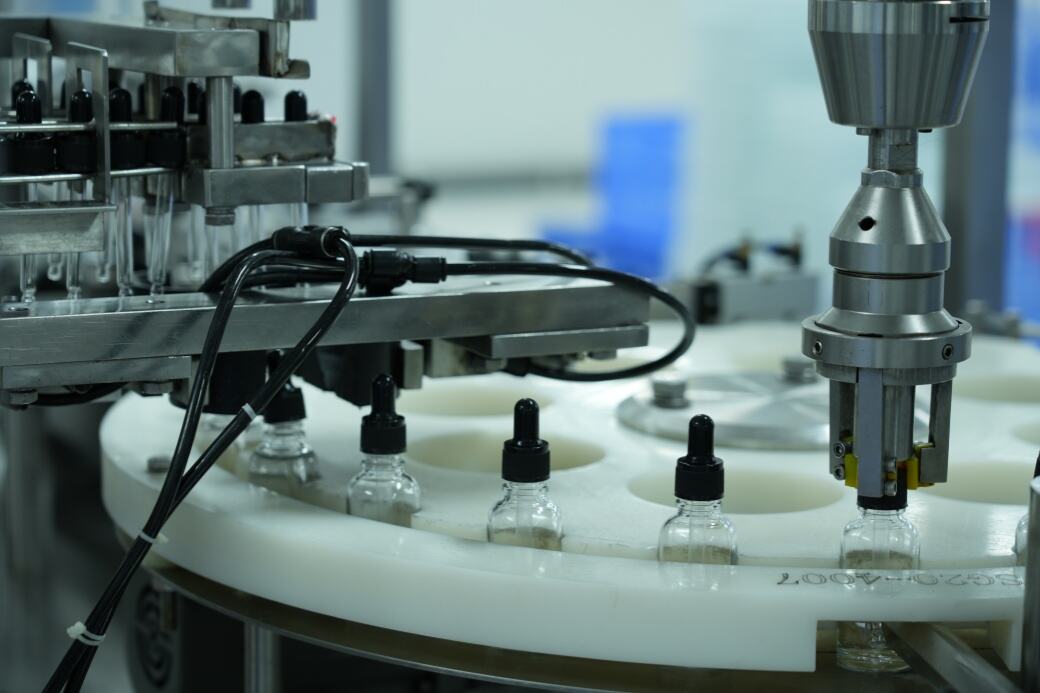
OEM represents a partnership. Manufacturer brings to life the vision of the brand through strict adherence to provided specifications and designs. This model allows beauty brands to craft products that are truly reflective of their unique brand ethos. By leveraging OEM, brands can ensure every element—from ingredient composition to packaging—is precisely aligned with their vision.
In worldwide, OEM is especially beneficial for companies wanting to incorporate traditional ingredients and beauty practices into their products.
This model offers the ability to test out special formulas that address the varied skin and hair requirements throughout the continent.
ODM offers a blend of creativity and efficiency. In this model, manufacturers first provide a base product. From there, brands can easily modify it to suit their needs. This model is a compromise between full customization and the convenience of ready-made products. It allows brands to benefit from existing designs while still adding their personal touch.
For beauty brands, ODM can be a strategic choice to enter the market swiftly. Because it's still offering a degree of uniqueness. By adapting existing designs to include local ingredients or align with regional beauty trends, brands can differentiate themselves without the overhead of developing entirely new products.
Private label manufacturing represents simplicity and quickness. Brands pick from a catalog of pre-made products and then add their branding. This model is particularly attractive for new entrants to the beauty market who wish to minimize upfront investment and complexity.
In worldwide, where market dynamics can shift rapidly, private label offers a quick and efficient means to enter the market. It allows brands to test the waters with minimal risk, which is ideal for entrepreneurs looking to establish a presence without the need for extensive R&D investments.
When deciding between OEM, ODM, and private label, beauty brands must weigh several crucial factors that influence their potential for success:
1. Budget: Determine how much you're willing to invest upfront. OEM generally requires the highest investment due to its customization opportunities, followed by ODM and then private label, which is the most cost-effective.
2. Brand Vision: Consider how important product uniqueness and innovation are to your brand identity. If your brand ethos is rooted in originality, OEM might be the best fit, whereas private label suits brands prioritizing speed and simplicity.
3. Time to Market: Evaluate how quickly you need to launch your products. Private label offers the fastest route, ideal for grasping current trends, while OEM takes the longest but offers distinctiveness.
4. Quality Control: Assess your need for control over product quality. OEM provides the most control, crucial for brands with stringent quality standards, whereas private label offers the least.
The beauty market is diverse and dynamic, with a growing demand for locally-inspired products. Consumers are increasingly drawn to products that celebrate heritage and utilize indigenous ingredients, such as shea butter, marula oil, and baobab extract. Brands that focus on natural and organic ingredients, as well as products catering to specific skin types and tones, are well-positioned for success.
Moreover, the rise of e-commerce and social media has amplified the reach of beauty brands, allowing them to connect with a global audience. This trend presents significant opportunities for brands to export culturally rich products beyond the continent, further emphasizing the importance of choosing the right manufacturing model to ensure product quality and brand authenticity.
Selecting the right manufacturing model is a critical decision for beauty brands. Whether it's OEM for full customization, ODM for a balanced approach, or private label for simplicity and speed, each model offers unique advantages and challenges. By carefully considering your brand's goals, resources, and market demands, you can make an informed decision that supports your brand's growth and success.
Investing time in understanding these manufacturing processes will not only enhance your product offering but also strengthen your brand's presence in the competitive beauty market. As the beauty industry continues to evolve, the right manufacturing choice can be a cornerstone of your brand's strategy, helping you navigate the complexities of the market while capitalizing on the immense opportunities it presents.
 EN
EN



 Hot News