EN
EN


Disunie Double Essence Serum Series՝ բازավոր ոճի փոխակերպման ճանապարհը բացելու համար
2025/04/17


2025/12/01
Ճիշտ հարմարեցված խնամքի համար նախատեսված արտադրող կարևոր որոշում է, որը կարող է որոշել ձեր գեղեցկության բրենդի հաջողությունը կամ ձախողումը: Չինաստանի կոսմետիկայի արտադրության գլոբալ հզորություն դառնալու ֆոնին շատ ձեռնարկատերեր և հաստատված ընկերություններ իրենց արտադրական պահանջների համար դիմում են չինական սարքավորումներին: Երկիրը առաջարկում է մրցունակ գներ, առաջադեմ տեխնոլոգիա և ձևավորման մշակման մեջ լայն փորձ, ինչը դարձնում է այն գերադասվող վայր՝ ձեռնարկությունների համար, որոնք նպատակ ունեն ստեղծել եզակի մաշկի խնամքի արտադրանքներ: Սակայն չինական արտադրողների բարդ համակարգով նավարկելը պահանջում է զգուշավոր հետազոտություն, հետևողականություն և որակի ստանդարտների վերաբերյալ պարզ հասկացողություն՝ ձեր գործընկերությունը արդյունքները հիանալի լինեն:
Վերջին տասնամյակում Չինաստանի կոսմետիկայի արտադրության ոլորտը ցուցաբերել է ակնառու աճ, որը հաստատել է իրեն որպես գլոբալ կեղծարարության շուկայի առաջատար ուժ: Այս ոլորտը օգտվում է մեծ չափով կառավարական աջակցությունից, զգալի են ենթակառուցվածքային ներդրումները և որակյալ աշխատակազմը, որը վերապատրաստված է ժամանակակից արտադրական տեխնիկայով: Չինական արտադրամասերը ամեն տարի միլիարդավոր դոլարների արժողությամբ մաշկի խնամքի արտադրանքներ են արտադրում՝ սպասարկելով ինչպես տեղական, այնպես էլ միջազգային շուկաները՝ ավելի բարդացված և բարձրակարգ որակական ստանդարտներով:
Արդյունաբերության էվոլյուցիան՝ հիմնական պայմանագրային արտադրությունից մինչև նորարարական արտադրանքի մշակում, փոխել է ապրանքանիշերի մոտեցումը չինական մատակարարների հետ գործընկերությունների նկատմամբ: Շատ արտադրողներ այժմ առաջարկում են համապարփակ ծառայություններ՝ ներառյալ ձևավորման հետազոտություններ, փաթեթավորման դիզայն, կանոնակարգային համապատասխանության աջակցություն և շուկայի վերլուծություն: Այս փոփոխությունը Չինաստանը դարձրել է հատկապես գրավիչ ընկերությունների համար, որոնք փնտրում են ամբողջական արտադրական լուծում՝ պարզ արտադրական ծառայությունների փոխարեն:
Չինաստանի տարբեր շրջաններ մասնագիտացած են կոսմետիկայի արտադրության տարբեր ոլորտներում՝ յուրաքանչյուրը առաջարկելով եզակի առավելություններ և հնարավորություններ: Գուանդուն նահանգը, հատկապես Գուանչժոուի և Շենճժենի շրջանում, տեղակայված է բազմաթիվ հաստատված արտադրողներ, որոնք ունեն հզոր փորձ արտքսպորտի ոլորտում և միջազգային որակի վավերագրեր: Այս սարքավորումներն ունեն առաջադեմ լաբորատորիաներ, փորձառու հետազոտությունների և մշակման թիմեր և կատարելագործված արտադրական գործընթացներ, որոնք օպտիմալ են դարձված գլոբալ բաշխման համար:
Շանհայը և շրջակա Цзянսու նահանգը ներկայացնում են մեկ այլ խոշոր արտադրական կլաստեր, որը հայտնի է caրձնակարգ արտադրանքների մշակման և նորարարական բաղադրամասերի մշակմամբ: Այս տարածաշրջանի արտադրողները հաճախ համագործակցում են միջազգային բրենդների հետ և պահպանում են բարձր գներ՝ ապահովելով գերազանց որակ և առաջադեմ փաթեթավորման լուծումներ: Ուսումնասիրությունների հաստատությունների և քիմիական մատակարարների կենտրոնացումը այս տարածքում ստեղծում է բարդ արտադրանքների մշակման նախագծերի համար աջակցող էկոհամակարգ:
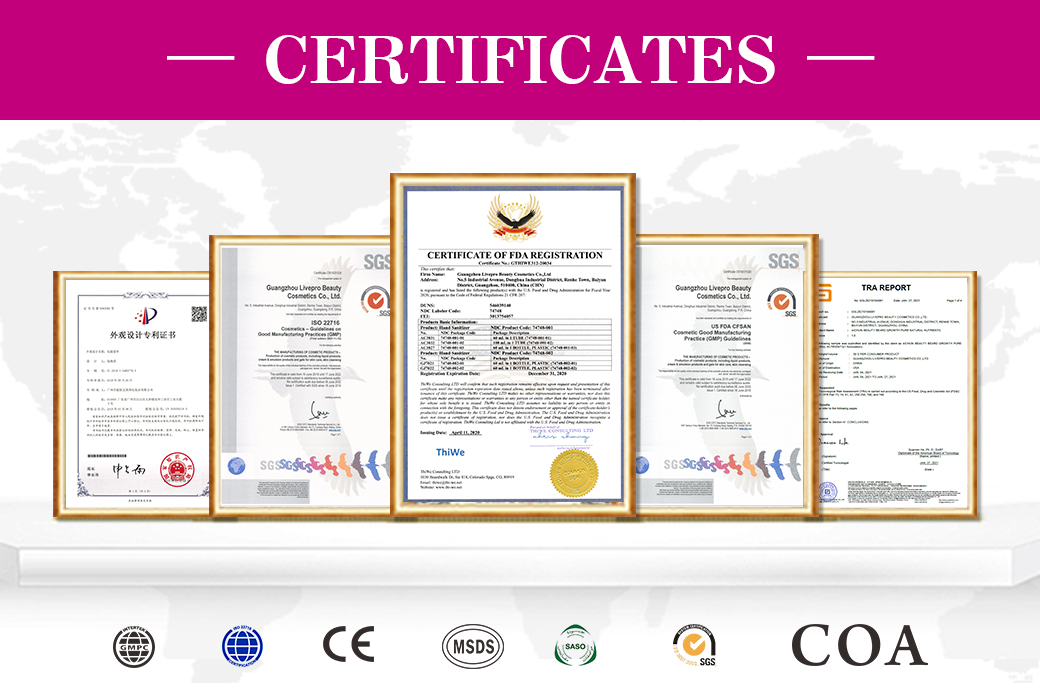
Հավաստի հաճախորդների համար կեղևի խնամքի արտադրողը պետք է ցուցաբերի բազմաթիվ կանոնակարգերի հետ համապատասխանություն՝ ապահովելու ապրանքի անվտանգությունն ու շուկայական մուտքը: Ամենահիմնարար պահանջը Լավ Արտադրական Պրակտիկայի (GMP) ստանդարտներին հետևելն է, որոնք կարգավորում են սարքավորումների նախագծումը, սարքավորումների սպասարկումը, անձնակազմի վերապատրաստումը և որակի վերահսկման ընթացակարգերը: Արտադրողները պետք է ներկայացնեն փաստաթղթեր՝ ապացուցելով GMP վավերագրման կարգավիճակը և ճանաչված անկախ կազմակերպությունների կողմից կատարված աուդիտների արդյունքները:
ISO 22716, FDA-ի գրանցում և ԵԱ համապատասխանություն նման միջազգային վավերագրումները ցուցաբերում են արտադրողի նվիրվածությունը գլոբալ որակի ստանդարտներին: Այս վավերագրումների համար պահանջվում են խիստ սենքերի ստուգումներ, փաստաթղթերի վերանայում և անընդհատ հսկողություն՝ վավերագրումը պահպանելու համար: Բազմաթիվ միջազգային վավերագրումներ ունեցող արտադրողները, որպես կանոն, ավելի շատ ռեսուրսներ են ներդնում որակի համակարգերում և ավելի հուսալի են համարվում արտահանման համար նախատեսված գործընկերությունների համար:
Արդյունավետ որակի կառավարումը գերազանցում է հիմնական սերտիֆիկացիաները՝ ընդգրկելով հիմնավոր փորձարկման հնարավորություններ, բաղադրիչների ստուգման ընթացակարգեր և շարքերի հետևողականության համակարգեր: Առաջատար արտադրողները պահպանում են ներքին լաբորատորիաներ, որոնք սարքավորված են մանրէաբանական փորձարկումների, կայունության վերլուծության և անվտանգության գնահատման համար առաջադեմ անալիտիկ գործիքներով: Այդ սարքավորումները պետք է ցուցադրեն հնարավորություն հումքի փորձարկման, արտադրական գործընթացների վերահսկման և վերջնական արտադրանքի համապատասխանության ստուգման համար սահմանված չափանիշներին:
Փաստաթղթային համակարգերը կարևոր դեր են խաղում արտադրանքի հետևողականության պահպանման և տարբեր շուկաներում կարգավորող մարմինների համապատասխանության խթանման գործում: Արտադրողները պետք է պահպանեն բաղադրատոմսերի, արտադրական խմբաքանակների, որակի թեստերի արդյունքների և մատակարարների որակավորման մանրամասն գրառումներ: Այս փաստաթղթավորումը կարևոր է դառնում կարգավորող մարմիններին ներկայացվող տեղեկությունների, անհրաժեշտության դեպքում արտադրանքի հետկանչի և որակի բարելավման շարունակական նախաձեռնությունների համար:
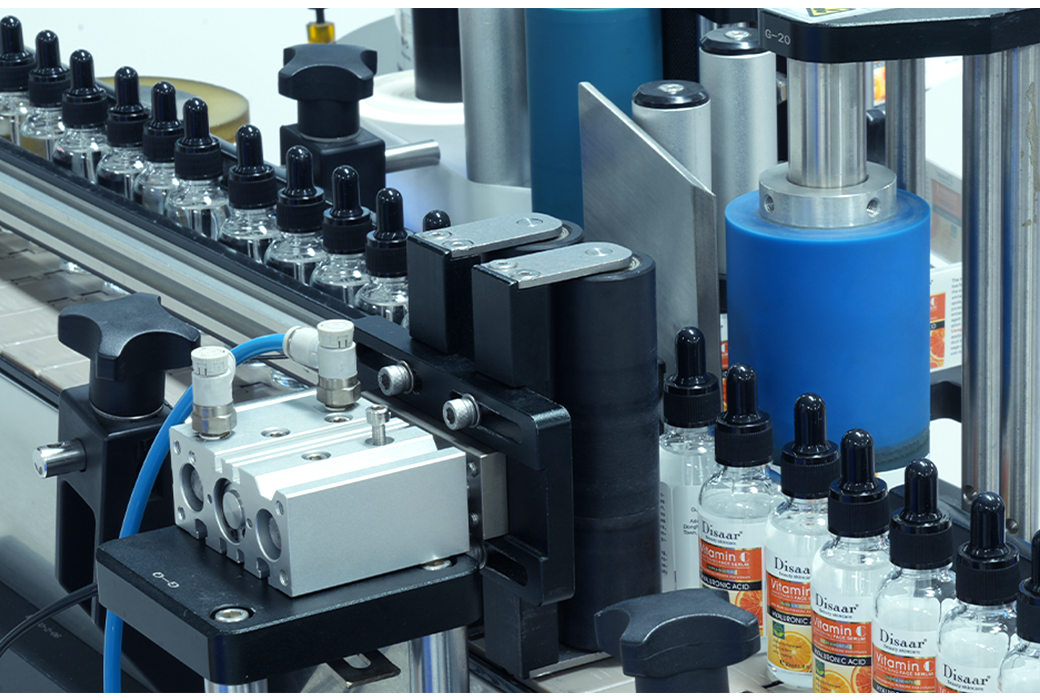
Արտադրողի արտադրական հզորությունների գնահատումը ներառում է առավելագույն արտադրողականության և նվազագույն պատվերի պահանջների հասկացություն՝ ձեր բիզնեսի պահանջներին համապատասխանեցնելու համար: Խոշոր մասշտաբի արտադրողները հաճախ ավելի լավ են աշխատում մեծ ծավալով արտադրության դեպքում՝ առաջարկելով մրցակցային գին, սակայն կարող են սահմանափակող պայմաններ դնել նվազագույն պատվերի քանակների վերաբերյալ, ինչը դժվարացնում է փոքր ապրանքանիշերի համար: Ընդհակառակը, փոքր մասնագիտացված սարքավորումները կարող են առաջարկել ավելի մեծ ճկունություն հատուկ բաղադրամասերի և փոքր շարքերի համար՝ պահպանելով միավորի ավելի բարձր արժեք:
Արտադրական ճկունությունը ներառում է տարբեր արտադրանքների ձևաչափերի, փաթեթավորման կոնֆիգուրացիաների և սեզոնային պահանջարկի տատանումների համապատասխանեցումը: Բազմակողմանի արտադրողները պահպանում են մի քանի արտադրական գծեր, որոնք կարող են մշակել տարբեր վիսկոզություններ, ակտիվ բաղադրիչների կոնցենտրացիաներ և փաթեթավորման ձևաչափեր: Այս ճկունությունը հատկապես կարևոր է դառնում, երբ մշակվում են արտադրանքների շարքեր, որոնք պահանջում են համաձայնեցված որակ տարբեր ձևավորումների ընթացքում, կամ երբ շուկայի փոփոխություններին արձագանքելիս պահանջվում են արագ արտադրանքի փոփոխություններ:
Ուժեղ հետազոտական և մշակողական հնարավորությունները այն արտադրողներին են բաժանարարում, ովքեր կարող են առաջարկել իսկական գործընկերություն, այն է՝ ոչ միայն հիմնական արտադրական ծառայություններ: Առաջատար սարքավորումներն ունեն կոսմետիկ քիմիկոսների, դերմատոլոգների և ապրանքների մշակման մասնագետների թիմեր, որոնք կարող են առաջարկել արժեքավոր փորձ ձևավորման մշակման և ապրանքի օպտիմալացման հարցում: Այս թիմերը պետք է ցուցադրեն փորձ ձևավորման տարբեր ակտիվ բաղադրիչների, տեղափոխման համակարգերի և ձևավորման մարտահրավերների հետ, որոնք կապված են ձեր թիրախային շուկայի հետ:
Նորարարական հնարավորությունները ներառում են նոր բաղադրիչների, ծագող տեխնոլոգիաների և միտումների կանխատեսման հնարավորություններ, որոնք կարող են տալ մրցակցային առավելություն ապրանքի մշակման գործում: Հզոր հետազոտական ծրագրեր ունեցող արտադրողներն հաճախ պահպանում են գործընկերություններ բաղադրիչների մատակարարների, հետազոտական հաստատությունների և տեխնոլոգիաների մատակարարների հետ, որոնք հնարավորություն են տալիս հասնել նորարարական նվաճումներին նրանից առաջ, քան դրանք լայն հասանելի են դառնում: Այս նորարարական հոսքը կարող է զգալիորեն բարելավել ձեր ապրանքի տարբերակումն ու շուկայական դիրքը:
Մանրամասն կառույցների ստուգումներ իրականացնելը արտադրողի գնահատման ամենակարևոր քայլերից է, որը տալիս է առաջին ձեռքի տեղեկություն գործողությունների ստանդարտների, որակավորման համակարգերի և արտադրական հնարավորությունների մասին: Պրոֆեսիոնալ ստուգումները պետք է ընդգրկեն արտադրական հատվածները, որակի վերահսկման լաբորատորիաները, պահեստային համակարգերը և վարչական գրասենյակները՝ ընդհանուր կազմակերպչական կոմպետենտությունը գնահատելու համար: Այցելության ընթացքում նկատի ունեցեք մաքրության ստանդարտները, սարքավորումների սպասարկումը, աշխատակիցների վերապատրաստման մակարդակը և փաստաթղթերում ամրագրված ընթացակարգերին հետևելը:
Կողմնակի աուդիտի ծառայությունները կարող են տրամադրել նպատակասլաց գնահատականներ, երբ անմիջական այցելությունները անհնար են կամ անհրաժեշտ է լրացուցիչ փորձաքննություն: Կոսմետիկայի արտադրության մասնագիտացած աուդիտի ընկերությունները կարող են գնահատել տեխնիկական հնարավորությունները, որակի համակարգերը և կանոնակարգային համապատասխանությունը ավելի համապարփակ, քան սովորական բիզնես այցելությունները: Այդ աուդիտները հաճախ նույնականացնում են հնարավոր խնդիրներ կամ բարելավման հնարավորություններ, որոնք կարող է չերևան ստանդարտ հաստատության շրջայցի ընթացքում:
Գործող հաճախորդների հետ կապ հաստատելը առաջարկում է արժեքավոր տեղեկություններ արտադրողի աշխատանքի, հուսալիության և համագործակցության որակի վերաբերյալ, որոնք գերազանցում են հաստատության հնարավորությունները: Պահանջեք վկայակոչություններ հաճախորդներից, ովքեր ունեն նմանատիպ արտադրանքներ, ծավալային պահանջներ և շուկայական ուղղություններ՝ համապատասխան փորձ ապահովելու համար: Վկայակոչությունների ընթացքում հարցրեք կապի որակի, խնդիրների լուծման, առաքման աշխատանքի և համագործակցության ընդհանուր բավարարվածության մասին:
Երկարաժամկետ հաճախորդների հետ հարաբերությունները հաճախ ցույց են տալիս արտադրողի կայունությունն ու նվիրվածությունը գործընկերության հաջողությանը: Բազմամյա գործընկերություններ ունեցող արտադրողները ցույց են տալիս փոփոխվող պահանջներին հարմարվելու, պահպանելու են հաստատուն որակ և ապահովելու են ապրանքների կյանքի ցիկլի ընթացքում անընդհատ աջակցություն: Այս հարաբերությունները նաև նշանակում են ֆինանսական կայունություն և գործողությունների շարունակականություն, որոնք նվազեցնում են արտադրողի փոփոխությունների կամ խառնաշփոթի հետ կապված ռիսկերը:
Արդյունավետ հաղորդակցությունը հաջող արտադրողների գործընկերությունների հիմքն է, որն ուշադրություն է պահանջում լեզվական կարողությունների, մշակութային տարբերությունների և հաղորդակցման նախընտրությունների նկատմամբ։ Չնայած շատ չինացի արտադրողներ անգլերեն խոսող անձնակազմ են զբաղեցնում, բարդ բաղադրամասերի մշակման համար պահանջվող տեխնիկական հաղորդակցության խորությունը կարող է օգուտ ստանալ երկլեզու նախագծերի կառավարման կամ թարգմանական ծառայություններից։ Բաղադրամասերի հատկորոշումներում, որակի պահանջներում կամ կանոնակարգային ստանդարտներում անհասկացությունները կարող են հանգեցնել թանկարժեք արտադրական սխալների կամ ուշացումների։
Մշակութային իրազեկվածությունը բարձրացնում է գործընկերության արդյունքները՝ հաշվի առնելով տարբեր բիզնես պրակտիկաները, որոշումներ կայացնելու գործընթացները և հարաբերությունների սպասելիքները: Չինական բիզնես մշակույթը հաճախ ընդգծում է հարաբերությունների կառուցումը, բանակցությունների ժամանակ համբերատարությունը և երկարաժամկետ գործընկերության տեսանկյունը, որոնք կարող են տարբերվել արևմտյան մոտեցումներից: Այս մշակութային տարրերի հասկանալը կարող է բարելավել հաղորդակցման արդյունավետությունը և ապահովել ավելի հարթ համագործակցություն ամբողջ գործընկերության ընթացքում:
Մշակման գործընթացների, արտադրության ժամանակացույցների և առաքման ժամկետների արդյունավետ համակարգումն ապահովելու համար անհրաժեշտ է սահմանել պարզ նախագծի կառավարման ստանդարտներ: Արժանահավատ արտադրողները պետք է ներկայացնեն մանրամասն նախագծային ժամանակացույցներ՝ սահմանված փուլերով, պատասխանատվություններով և հաղորդակցման ստուգման կետերով՝ մշակման և արտադրության ընթացքում: Այս ստանդարտները հատկապես կարևոր են բարդ նախագծերի դեպքում, որոնք ներառում են բազմաթիվ կողմեր կամ խիստ շուկայավարման ժամկետներ:
Պարբերական հաղորդակցման գրաֆիկները և առաջընթացի մասին զեկույցների համակարգերը օգնում են պահպանել նախագծի դինամիկան և ժամանակին նույնականացնել հնարավոր խնդիրները՝ առաջքին ազդելուց խուսափելու համար: Որպես կանոն, արդյունավետ արտադրողները նշանակում են նախագծի համար նախատեսված կառավարիչներ, ովքեր հանդես են գալիս որպես հիմնական կապի կետ և համակարգում են ներքին ռեսուրսները՝ համապատասխանեցնելով հաճախորդի պահանջներին: Այս կենտրոնացված հաղորդակցման մոտեցումը նվազեցնում է շփոթությունը և ապահովում է բոլոր ներգրավված կողմերի միջև հաստատուն տեղեկատվության հոսք:
Համապարփակ գնային կառուցվածքների հասկանալը հնարավորություն է տալիս ճշգրիտ ծախսերի համեմատություններ կատարել և կազմակերպել բյուջեն արտադրողական գործընկերությունների համար։ Տվյալ արտադրանքի հիմնական գինը, որպես կանոն, ներառում է հումքը, աշխատանքային ծախսերը, սարքավորումների շահագործման ծախսերը և շահույթի մարժանները, սակայն զարգացման աշխատանքների, փորձարկումների, փաթեթավորման և տրանսպորտային ծախսերի համար լրացուցիչ վճարները կարող են զգալիորեն ազդել ընդհանուր նախագծի ծախսերի վրա։ Պահանջեք մանրամասն ծախսերի վերլուծություն, որտեղ նշված լինեն բոլոր բաղադրիչներն ու հնարավոր լրացուցիչ վճարները՝ արտադրության ընթացքում անսպասելի ծախսերից խուսափելու համար։
Ծավալի հիման վրա կառուցված գնային կառույցները հաճախ էական խնայողություններ են ապահովում խոշոր պատվերների դեպքում՝ փոքր քանակների համար միավորի առավել բարձր արժեք սահմանելով: Գնահատեք նվազագույն պատվերի պահանջները՝ համապատասխանեցնելով շուկայական պահանջարկի կանխատեսումներին և կանխիկ միջոցների շրջանառության հնարավորություններին՝ ապահովելով կայուն պատվերման օրինաչափություններ: Որոշ արտադրողներ առաջարկում են ճկուն գնային դասավորություններ, որոնք հնարավորություն են տալիս հաշվի առնել աճի ուղղությունը կամ պահանջարկի սեզոնային տատանումները՝ մակարդակային գնային կամ ծավալային պարտավորության ծրագրերի միջոցով:
Արտադրության համապարփակ պայմանագրերը պետք է ներառեն որակի ստանդարտներ, առաքման ժամանակացույց, ինտելեկտուալ սեփականության պաշտպանություն և վեճերի լուծման ընթադարձականեր՝ գործընկերության ռիսկերը նվազագույնի հասցնելու համար: Որակի համապատասխանության համար պետք է ներառվեն մանրամասն արտադրանքի ստանդարտներ, փորձարկման պահանջներ և ընդունման չափանիշներ՝ արտադրության որակի համապատասխանությունն ապահովելու համար: Առաքման պայմանները պետք է նշեն առաքման ժամկետները, փոխադրման կազմակերպումը և ուշացված առաքումների համար տուգանքների դրույթները, որոնք կարող են ազդել ձեր շուկայական գործունեությունների վրա:
Շատ կարևոր է համարվում ինտելեկտուալ սեփականության պաշտպանությունը, երբ արտադրողների հետ կիսվում եք հատուկ բաղադրամասերով, բաղադրիչների համապատասխան հատկություններով կամ շուկայավարման ռազմավարություններով: Պայմանագրերում պետք է ներառված լինեն հատուկ դրույթներ՝ համաձայնագրված տեղեկատվության գաղտնիության, մրցակցությունից հրաժարվելու և համատեղ աշխատանքի ընթացքում ստեղծված ցանկացած մշակման սեփականության իրավունքների վերաբերյալ: Ավելին, պետք է նախատեսված լինեն պայմանագրի լուծման դրույթներ, որոնք պաշտպանում են ձեր շահերը՝ ապահովելով հարմար անցումային ժամանակահատվածներ արտադրողի փոփոխության դեպքում:
Պատրաստ՞ եք արագ մեկնարկել ձեր սովորական մաշկի խնամքի արտադրությունը: Կապ մեզ հետ հիմա իմանալու համար ավելի շատ տեղեկություններ և ստանալու մասնագիտական աջակցություն
Արտադրության գործընկերություն հաստատելը սովորաբար պահանջում է 3-6 ամիս՝ սկսած սկզբնական կոնտակտից մինչև առաջին արտադրական շրջանակը, կախված նախագծի բարդությունից և մշակման պահանջներից: Ժամանակացույցը ներառում է արտադրողի գնահատում և ընտրություն (4-6 շաբաթ), ձևավորման մշակում և փորձարկում (6-12 շաբաթ), mẫu-ի հաստատում և արտադրության կարգավորում (2-4 շաբաթ) և սկզբնական արտադրություն և որակի ստուգում (2-3 շաբաթ): Բարդ ձևավորումները կամ ընդարձակ հարմարեցումները կարող են երկարաձգել այս ժամանակացույցը, մինչդեռ պարզ մասնավոր պիտակի համաձայնակցությունները հաճախ ավելի արագ են ընթանում:
Պատվերի նվազագույն քանակները կախված են արտադրողի չափից, արտադրանքի բարդությունից և փաթեթավորման պահանջներից ու սովորաբար տատանվում են 1000-ից մինչև 50000 միավոր ամեն մեկ արտադրանքի համար: Խոշոր արտադրողները հաճախ ավելի բարձր նվազագույն քանակներ են պահանջում (10000-50000 միավոր), սակայն առաջարկում են ավելի լավ գներ, իսկ փոքր մասնագիտացված սարքավորումները կարող են սպասարկել 1000-5000 միավոր չափի պատվերներ՝ ավելի բարձր մեկ միավորի արժեքով: Ինքնուրույն ձևավորված բաղադրությունները, ընդհանուր առմամբ, ավելի բարձր նվազագույն քանակներ են պահանջում, քան արդեն գոյություն ունեցող ձևավորումները՝ տեխնիկական մշակման ծախսերի և արտադրության կազմակերպման պահանջների պատճառով:
Որակի ստուգումը պահանջում է հիմնավոր փորձարկման ընթացակարգեր, ներառյալ բաղադրիչների վերլուծություն, միկրոկենսաբանական փորձարկումներ, կայունության ուսումնասիրություններ և անկախ լաբորատորիաների կողմից անցկացվող անվտանգության գնահատականներ: Պահանջեք նմուշներ արտադրության տարբեր փուլերում և իրականացրեք երրորդ կողմի փորձարկում՝ համապատասխանությունն ապահովելու համար ձեր սահմանված պահանջներին և կանոնակարգային պահանջներին: Շատ ապրանքանիշեր նաև իրականացնում են արտադրությունից առաջ ստուգումներ, փորձարկման ընթացակարգերի վկայություն և պահանջում արտադրողներից ներկայացնել բոլոր հումքի և վերջնական արտադրանքների վերլուծության վկայականներ:
Հակումների պաշտպանությունը պահանջում է լրիվ իրավական համաձայնագրեր, ներառյալ համաձայնագրեր գաղտնիության պահպանման վերաբերյալ, արտադրության պայմանագրեր՝ համապատասխան դրույթներով, ինչպես նաև ապրանքանիշերի և դիզայնների գրանցում Չինաստանում: Նկատի ունեցեք աշխատել իրավաբանական խորհրդատվության հետ, ով փորձ ունի Չինաստանի հակումների իրավունքում՝ ապահովելու ձևավորումների, ապրանքանիշի տարրերի և սեփական գործընթացների ճիշտ պաշտպանությունը: Բացի այդ, շատ հաջող ապրանքանիշեր Չինաստանից դուրս պահում են սեփական մասնագիտացված մատակարարման աղբյուրներ կամ վերջնական մշակման փուլեր՝ պաշտպանելու հիմնարար մրցակցային առավելությունները: